Belgium’s World Cup victory over the United States was already a major sporting statement. The Red Devils did not simply beat the co-hosts; they dismantled them 4-1, silenced the home crowd, and booked their place in the quarter-finals. But the result became even louder after the final whistle, when Belgium’s official social media account aimed a sharp joke at both U.S. President Donald Trump and FIFA with the message: “Overturn this.”
The post instantly turned a football result into a viral cultural moment. It referenced the controversy that had surrounded Folarin Balogun’s availability for the match after FIFA lifted his red-card suspension following Trump’s intervention. Belgium had been unhappy with the decision before kick-off, but after a dominant win, they found the perfect way to respond: not with a formal complaint, but with a punchline.
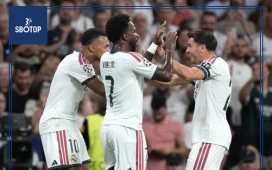
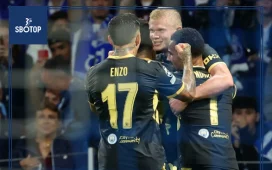
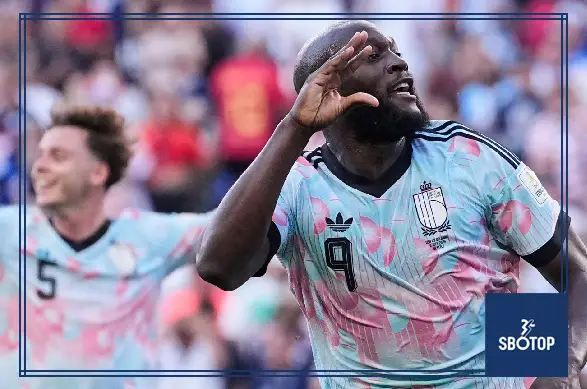
On the pitch, Belgium had already done the talking. Charles De Ketelaere scored twice in the first half, while Hans Vanaken and Romelu Lukaku added goals after the break. The USA’s World Cup run ended in Seattle, and Belgium advanced to face Spain in the quarter-finals.
A Victory With Extra Meaning
Belgium’s 4-1 win was more than a routine knockout result. It came after several days of frustration, debate, and accusations surrounding FIFA’s disciplinary process. Balogun had been sent off in the United States’ previous match against Bosnia and Herzegovina, which would normally have meant an automatic one-game suspension. Instead, FIFA suspended the ban, allowing him to face Belgium.
The decision became controversial because Trump said he had called FIFA president Gianni Infantino about the case. FIFA insisted the process was independent, but UEFA, Belgium’s football federation, and several football voices criticized the decision, warning that it risked damaging trust in standard disciplinary rules.
That background made Belgium’s victory feel like more than a sporting response. The players had no control over FIFA’s decision. They had no influence over the political noise around the match. What they could control was the performance. And when the match finally arrived, Belgium delivered a ruthless answer.
Their social media team simply added the final flourish.
“Overturn This” Becomes the Perfect Clapback
The phrase “Overturn this” worked because it was short, direct, and impossible to miss. In two words, Belgium referenced the Balogun suspension controversy, mocked the failed attempt to give the USA a boost, and celebrated a result that no committee, appeal, or phone call could reverse.
Football social media is often carefully polished, but this post had an edge. It felt like a nation that had been quietly irritated before the match finally allowing itself to laugh after the result. The message spread quickly because it captured what many neutral fans were already thinking: Belgium had turned the controversy into motivation.
The joke also landed because the scoreline was so convincing. A narrow win might have made the post feel risky. A penalty shootout victory might have made it seem too emotional. But a 4-1 win gave Belgium the authority to be playful. When a team wins that clearly, the scoreboard becomes the strongest argument.
Belgium Turn Frustration Into Fuel
Before the match, Belgium had every reason to feel annoyed. Their federation reportedly saw hopes of challenging Balogun’s availability frustrated, while wider criticism focused on the precedent of a red-card suspension being lifted in such unusual circumstances.
But Belgium did not let the issue become a distraction. That is the mark of a mature tournament team. Instead of becoming consumed by the controversy, they used it as emotional fuel. From the opening stages, Belgium played with intensity and purpose. They pressed, attacked, and punished American mistakes.
De Ketelaere’s first-half double set the tone. The USA had expected the return of Balogun to strengthen their attack, but it was Belgium’s forwards who took control. Vanaken and Lukaku then added the finishing touches after the break, turning a tense knockout fixture into a statement win.
The message was clear: Belgium did not need appeals. They needed goals.
USA Exit Ends a Home Dream
For the United States, the defeat was painful because this World Cup carried unique emotional weight. As co-hosts, the USA had entered the tournament with enormous attention and expectation. There was hope that a strong run on home soil could accelerate the sport’s growth, inspire new fans, and prove that the current generation could compete with established powers.
The group stage and early knockout rounds had built belief. But Belgium exposed the gap between progress and true contender status. A 4-1 defeat in the last 16 was not just an exit; it was a reminder that tournament growth is rarely linear.
Balogun later apologized to supporters, saying the team had let fans down after the loss. Reports noted that his World Cup debut came in a match shaped by the suspension controversy and ended with the USA eliminated in heavy fashion.
That made the Belgian post even sharper. The USA had won the disciplinary battle before kick-off, but Belgium won the football battle when it mattered.
Trump’s Role Made the Story Bigger
The reason this story exploded beyond normal football debate was Trump’s involvement. Had FIFA simply reviewed Balogun’s red card and quietly lifted the suspension, the decision still would have been controversial. But the fact that Trump publicly said he contacted Infantino turned a disciplinary issue into an international talking point.
That made Belgium’s joke political without needing to say much. The “Overturn this” post did not require a long explanation because everyone following the controversy understood the reference. It was aimed not only at the USA team, but at the unusual chain of events that had made Balogun eligible.
Sports and politics often overlap at major tournaments, especially when the World Cup is hosted across multiple countries and watched by billions. But this case felt unusually direct. A national leader intervened on behalf of a player. FIFA changed the status of the suspension. Opponents objected. Then Belgium won 4-1 and mocked the entire sequence.
It was football theatre with political subtitles.
FIFA’s Credibility Under Pressure
FIFA’s handling of the Balogun case became one of the tournament’s most debated governance issues. The organisation insisted that the process was independent, but criticism from UEFA and other officials showed how sensitive the decision had become.
The core concern was not only whether Balogun deserved to play. It was whether normal disciplinary rules could be perceived as flexible when powerful political figures became involved. In football, perception matters almost as much as procedure. If teams believe decisions are being influenced by power rather than regulations, trust begins to weaken.
Belgium’s social media post tapped into that concern in a humorous way. It did not read like a legal argument, but it reflected a wider frustration. The joke suggested that whatever happened behind the scenes, the final answer came on the field.
That is why the post resonated. It allowed fans to laugh at a controversy that had otherwise raised serious questions about fairness and governance.
Belgium’s Players Stayed Focused
One of the most impressive parts of Belgium’s victory was the way the players separated the noise from the task. It would have been easy to become distracted. It would have been easy to spend too much emotional energy on the controversy before kick-off. Instead, Belgium looked sharp, prepared, and ruthless.
De Ketelaere’s performance was especially important. His two goals in the first half gave Belgium control and forced the USA to chase the game. Once the Americans had to open up, Belgium found more space and became even more dangerous.
Lukaku’s goal after the break also mattered. As one of Belgium’s most experienced attacking figures, he has carried pressure at several tournaments. Scoring in a knockout win added authority to Belgium’s performance and gave the team confidence before the quarter-final against Spain.
Belgium had entered the match surrounded by controversy. They left it looking like a serious tournament threat.
Social Media Adds a New Layer to Football Rivalry
The “Overturn this” moment also shows how modern football is played in two arenas: the pitch and the timeline. A generation ago, Belgium’s response might have been limited to post-match interviews. Now, a national team can shape the global conversation with one viral post.
That does not mean the social media moment mattered more than the win. The scoreline mattered most. But the post changed how the win was remembered. It gave the victory a headline, a punchline, and a cultural identity.
In tournament football, these details last. Fans remember goals, but they also remember slogans, memes, celebrations, and viral reactions. Belgium’s post turned a 4-1 result into one of the tournament’s defining social-media moments.
It also gave Belgian supporters a shared joke at the perfect time.
Also Read: