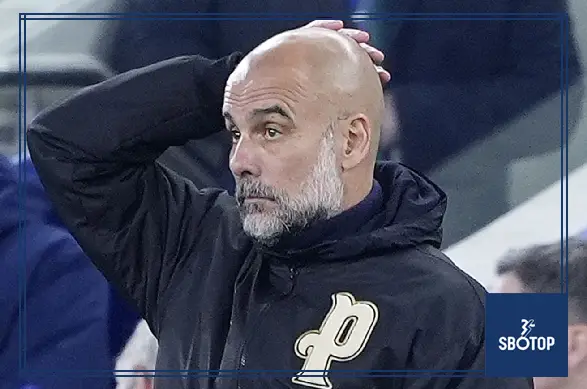
Italy’s search for a new national team manager has taken another dramatic turn after Pep Guardiola reportedly rejected the opportunity to replace Gennaro Gattuso. The highly respected Spanish coach was believed to have been considered as a leading candidate for the position, but the approach did not lead to an agreement, leaving the Italian Football Federation to assess other options.
The possibility of Guardiola taking charge of Italy immediately generated excitement because of his reputation, tactical influence, and remarkable record in club football. For a national side attempting to rebuild its identity and return to the top of the international game, appointing one of the most successful coaches of the modern era would have represented a major statement.
However, Guardiola’s decision to turn down the opportunity means the Azzurri must continue their search. The next appointment will be crucial, not only because of the pressure surrounding the national team but also because Italy need a clear footballing direction following Gattuso’s departure.
The challenge for the Italian authorities is now to identify a coach who can combine tactical expertise, leadership, international awareness, and the ability to manage a squad carrying enormous historical expectations.
Guardiola Opportunity Ends Before It Begins
Guardiola has long been linked with the possibility of managing an international team at some stage of his career. His success at Barcelona, Bayern Munich, and Manchester City has established him as one of football’s most influential coaches, while his tactical ideas have shaped teams and managers across the world.
An opportunity to coach Italy would have offered him a different type of challenge. International football requires less daily training but places greater importance on tournament preparation, squad selection, short-term tactical planning, and the ability to create unity in a limited period.
For Italy, the attraction was obvious. Guardiola’s arrival could have transformed the atmosphere around the national side and brought immediate global attention to the project.
He is associated with positional play, intelligent movement, controlled possession, high pressing, and technical excellence. Those characteristics would have provided Italy with a clear identity at a time when the team are searching for stability.
Yet the opportunity appears to have been rejected.
There may be several reasons why Guardiola decided not to pursue the role. The timing may not have suited his career plans, he may have preferred to remain involved in club football, or he may have believed that the demands of managing another national team were not right for him at this stage.
Whatever the reason, Italy must now move forward without one of the most ambitious names on their shortlist.
Why Italy Considered Guardiola
Italy’s reported interest in Guardiola was not simply based on his reputation. It also reflected the type of footballing transformation the federation may be trying to achieve.
For much of their history, Italy have been associated with defensive intelligence, tactical discipline, and tournament experience. Those qualities produced major success and helped create some of the greatest international teams in football history.
However, the modern game has changed.
National sides now require greater flexibility, more technical control, and the ability to press aggressively while also building attacks from deep positions. The most successful teams often combine defensive organisation with fluid possession and high-level individual talent.
Guardiola’s philosophy represents many of those modern principles.
His teams are known for controlling matches through the ball, creating numerical advantages, and using intelligent positioning to break down opposition structures. He also demands defensive commitment from every player and treats possession as part of the team’s overall defensive plan.
Italy may have viewed him as someone capable of modernising the national side without removing the tactical intelligence traditionally associated with Italian football.
His appointment would also have offered a powerful message to players. Working under Guardiola is often seen as an opportunity to improve technically and tactically, especially for midfielders and defenders involved in possession-based systems.
Gattuso’s Departure Creates Uncertainty
The departure of Gennaro Gattuso has left Italy at an important crossroads.
Gattuso brought intensity, passion, and a strong personality to the position. As a former international midfielder, he understood the emotional importance of representing Italy and the pressure attached to the national shirt.
His coaching identity was built around work rate, organisation, commitment, and a willingness to compete aggressively. Those qualities reflected his playing career and gave the team a recognisable edge.
However, national team management is judged heavily on results and tournament progress. Even respected former players face intense criticism when performances do not meet expectations.
Gattuso’s departure means the federation must now decide whether to continue with a similar approach or move in a completely different tactical direction.
This decision cannot be based only on reputation.
Italy need a coach who understands the strengths and weaknesses of the available squad, can communicate clearly with players, and has a realistic plan for major tournaments.
The next manager must also be prepared for constant scrutiny. Every squad selection, tactical decision, and substitution will be analysed by supporters and the media.
The Pressure of Leading the Azzurri
Managing Italy is one of the most prestigious jobs in international football, but it is also one of the most demanding.
The country’s football history includes multiple World Cup victories, legendary players, iconic coaches, and memorable tournament performances. As a result, expectations remain high even during periods of transition.
Supporters do not simply want qualification for major competitions. They expect Italy to compete seriously for trophies.
That pressure can become especially intense when results are disappointing. A coach may be given the responsibility of developing younger players, but patience is often limited once important matches begin.
The next manager will need to balance rebuilding with immediate performance.
This is one of the most difficult tasks in international football. Long-term development requires time, but national team coaches have only a limited number of fixtures in which to test systems and assess players.
A poor run of results can quickly damage confidence and create public criticism.
The successful candidate must therefore possess tactical knowledge, emotional control, and strong communication skills.
Italy’s Need for a Clear Identity
One of the biggest challenges facing the next manager will be establishing a consistent identity.
Italy have talented players across several positions, but a national team requires more than individual quality. The squad must understand how it wants to attack, defend, press, and respond under pressure.
Guardiola would have brought a very specific footballing philosophy. With that option no longer available, the federation must decide what type of coach can provide a similarly clear direction.
A possession-based manager might focus on technical midfielders, patient build-up, and positional movement. A more direct coach could prioritise transitions, compact defending, and quick attacks. Another possibility would be a flexible manager willing to change systems depending on the opponent.
There is no single correct approach.
The most important factor is consistency. Players need to understand their responsibilities and trust the tactical structure.
International football offers little time for complicated experimentation. The next coach must be able to communicate ideas quickly and ensure that the team performs with confidence.
Potential Qualities Italy Should Prioritise
The search for Gattuso’s replacement will likely involve several candidates with different backgrounds. Rather than focusing only on famous names, Italy may benefit from identifying the specific qualities needed for the role.
Experience in high-pressure environments will be important. The national team manager must be comfortable handling major tournaments, media attention, and difficult selection decisions.
Tactical flexibility will also be essential. International matches can change quickly, and coaches need to adjust without relying on weeks of training.
Player management may be even more important than tactical complexity. National team players arrive from different clubs, systems, and competitive situations. Some are regular starters, while others may be struggling for minutes.
The manager must create unity quickly and ensure that every player understands their value to the squad.
Another priority should be the development of younger talent. Italy must continue bringing new players into the senior team while maintaining enough experience to remain competitive.
The ideal coach will not only select the strongest current lineup but also build a pathway for the next generation.
Could Italy Choose a Domestic Coach
With Guardiola out of the picture, Italy may choose to focus on an Italian manager who already understands the country’s footballing culture.
A domestic coach could offer several advantages. Familiarity with Serie A, knowledge of Italian players, understanding of the media environment, and an emotional connection to the national team could make the transition smoother.
Italian football has a long tradition of producing outstanding tactical coaches. Many have succeeded both domestically and abroad, earning reputations for organisation, preparation, and adaptability.
However, the federation must avoid making an appointment based only on nationality or past reputation.
The next coach needs ideas suited to the current squad.
A manager successful in club football may not automatically succeed internationally. The role requires a different rhythm and fewer opportunities to work with players.
Italy must evaluate whether each candidate can simplify tactical instructions, make strong selection decisions, and prepare effectively for knockout football.
An International Appointment Remains Possible
Although Guardiola has rejected the position, Italy could still consider another foreign coach.
Hiring a non-Italian manager would be a significant decision because the national team has traditionally relied heavily on domestic coaching expertise. However, modern international football has become more open to coaches working outside their home countries.
A foreign appointment could bring fresh ideas, a different tactical perspective, and greater independence from domestic football politics.
The risk is that the new manager may need more time to understand the culture, language, league, and expectations surrounding the Azzurri.
Communication would be especially important. A national coach must connect not only with players but also with supporters and the wider football community.
The federation would need to ensure that any international candidate is fully committed to the project rather than simply attracted by the prestige of the role.
The Importance of the Next Tournament Cycle
The timing of the appointment will influence Italy’s preparation for the next major competition.
A new manager needs enough time to assess players, establish tactical principles, and create a core squad. Delays can make that process more difficult, especially when competitive fixtures are approaching.
The federation must move carefully but decisively.
A rushed appointment could create further instability, while waiting too long may reduce preparation time.
The next tournament cycle should be treated as an opportunity to rebuild confidence and restore Italy’s position among the leading international teams.
Qualification must be the immediate priority, but the broader goal should be creating a team capable of succeeding in knockout football.
Italy’s history shows that they can be extremely dangerous when organisation, belief, and tactical clarity come together.
The next manager must rediscover that balance.
What Guardiola Might Have Changed
Although Guardiola will not take charge, the speculation surrounding him highlights areas where Italy may seek improvement.
His teams are known for controlling territory, dominating possession, and pressing quickly after losing the ball. These principles could have helped Italy become more proactive against strong opponents.
He may also have encouraged greater technical responsibility from defenders and midfielders. Players would have been expected to receive the ball under pressure, move intelligently between lines, and maintain positional discipline.
His reputation could have increased excitement around the national team and attracted attention to younger players capable of fitting his system.
However, there would also have been challenges.
Guardiola’s club teams benefit from regular training and carefully constructed squads. International management offers far less time to develop complex positional structures.
Adapting his methods would have required compromise.
His decision to decline the opportunity means those questions will remain unanswered, but the federation can still learn from the qualities that made him an appealing candidate.
Supporters Await the Federation’s Decision
Italian supporters will now wait anxiously for news about the next appointment.
The failure to secure Guardiola may create disappointment, but the most important issue is not whether Italy hire the biggest name. It is whether they choose the right coach.
Supporters want to see a team that plays with identity, courage, and commitment. They also want players who understand the meaning of representing the national side.
The next manager will need to reconnect the team with the public.
Positive performances can quickly rebuild enthusiasm, especially when younger players bring energy and established figures provide leadership.
Italy’s football culture remains strong, and the national team continues to inspire enormous passion.
A successful appointment could turn uncertainty into optimism.
A Defining Decision for Italian Football
The choice of Italy’s next manager could shape the national team for several years.
It will influence tactical style, squad selection, youth development, and the overall atmosphere surrounding the Azzurri.
Guardiola’s rejection is a setback only if the federation fails to respond effectively.
There are many respected coaches capable of leading an international team, but the appointment must be guided by a clear strategy.
Italy need more than a temporary solution. They need a leader capable of creating stability while preparing the team for the demands of major tournaments.
The federation must identify what went wrong under previous coaches and ensure that the next manager receives the support required to succeed.
Also Read: