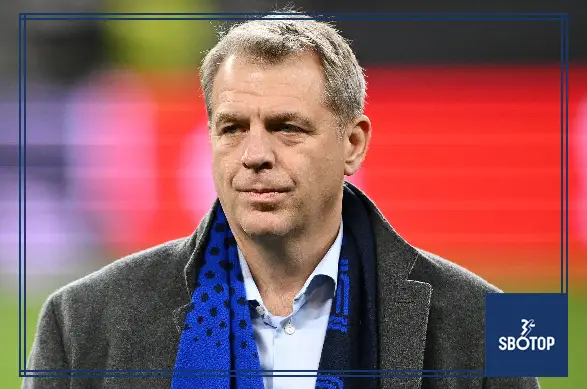
Chelsea’s ownership structure has once again come under the spotlight after co-owners Todd Boehly and Mark Walter reportedly held discussions with Clearlake Capital over the potential sale of their shares in the Premier League club.
The development has generated significant interest because Chelsea’s ownership model has been closely scrutinised since the club changed hands in 2022. The arrival of the new ownership group represented a major transformation for one of English football’s most recognisable institutions, and the relationship between the various stakeholders has remained an important part of the club’s wider story.
Any potential adjustment to the shareholding structure would therefore carry considerable significance.
However, discussions over a possible share transaction should not automatically be interpreted as evidence of an imminent takeover or major change in Chelsea’s overall direction. Negotiations involving large football clubs can be complicated, and ownership arrangements can evolve without necessarily resulting in dramatic changes to the way a club operates.
For Chelsea supporters, the central question is what any potential deal could mean for the club’s future.
Chelsea’s Unusual Ownership Structure
Chelsea’s current ownership model has attracted considerable attention since the consortium led by Boehly and Clearlake completed its acquisition of the club.
Unlike a traditional arrangement involving a single controlling individual, Chelsea operates under a structure involving multiple major stakeholders.
Clearlake Capital holds a significant interest, while Boehly and Walter have also played prominent roles in the ownership group.
That arrangement has always required cooperation between the parties.
Football clubs are complicated businesses, and major decisions can involve sporting strategy, commercial development, investment, recruitment and long-term planning.
A change in the distribution of shares could therefore influence the balance between the different stakeholders.
Why the Talks Matter
The reported discussions are significant because they involve individuals who have been central to Chelsea’s ownership since the takeover.
Boehly became one of the most visible figures associated with the club.
He has been involved in major strategic decisions and has frequently been associated with Chelsea’s aggressive approach to recruitment and squad development.
Walter, meanwhile, is another important figure within the ownership structure.
Any potential sale of shares involving these stakeholders would naturally attract attention because it could alter their financial exposure to the club.
Clearlake, as the majority stakeholder, would potentially increase its position if a transaction were completed.
No Immediate Sporting Conclusion
It is important to separate ownership discussions from sporting decisions.
A possible share sale does not automatically mean Chelsea’s footballing strategy will change overnight.
The club’s football operations involve a much wider network of executives, coaches, scouts and recruitment specialists.
Even if the ownership structure changes, those departments can continue operating according to existing plans.
Supporters may understandably wonder whether a transaction could affect player recruitment or managerial decisions.
In reality, the impact would depend on the terms of any agreement and the intentions of the stakeholders involved.
Boehly’s Role at Chelsea
Todd Boehly has been one of the most recognisable representatives of Chelsea’s ownership group.
Since the takeover, his name has frequently appeared in discussions surrounding the club’s recruitment strategy and broader football philosophy.
Chelsea have pursued a distinctive approach to squad building, with substantial investment in younger players and long-term contracts forming an important part of the strategy.
That model has generated both praise and criticism.
Supporters have seen the club invest heavily in potential, but the approach has also created pressure for those investments to deliver results quickly.
Boehly’s involvement has therefore remained a major part of the Chelsea story.
Mark Walter’s Position
Mark Walter is less publicly visible than Boehly but remains an important member of the ownership group.
His broader experience in professional sports and business provides a different perspective from the traditional image of a football club owner.
Walter has been involved in several major sporting ventures and brings extensive experience of operating large sports organisations.
His potential decision to sell shares would therefore be noteworthy.
It could represent a strategic adjustment rather than a complete departure from Chelsea.
Clearlake’s Increasing Influence
Clearlake Capital has played a central role in Chelsea’s ownership since the takeover.
If the investment firm were to acquire additional shares from Boehly and Walter, its position could become even more significant.
That could potentially give Clearlake greater influence over the club’s long-term direction.
However, the precise consequences would depend on the structure of any transaction.
Ownership percentages matter, but governance agreements and decision-making rights can be equally important.
A larger financial stake does not necessarily mean every aspect of the club’s operation changes immediately.
Chelsea’s Financial Strategy
The ownership debate is also connected to Chelsea’s broader financial strategy.
The club has invested substantial amounts in players since the takeover.
Rather than focusing exclusively on established stars, Chelsea have frequently targeted younger players with significant long-term potential.
The objective is to build a squad capable of competing for major honours over an extended period.
That strategy requires patience.
Young players need time to develop.
Some signings will succeed quickly.
Others may require loans or several seasons before becoming established first-team contributors.
Ownership stability can be important in allowing such a strategy to continue.
The Importance of Long-Term Planning
Football clubs need to balance immediate results with long-term planning.
Chelsea’s recruitment strategy illustrates that challenge.
Supporters naturally want trophies.
They expect competitive performances in the Premier League and European competitions.
But a squad built around young players may require time before reaching its full potential.
A stable ownership structure can help provide the patience required for that development.
If a potential share transaction results in clearer decision-making, it could ultimately benefit the club.
On the other hand, if ownership disagreements increase, uncertainty could become a problem.
Supporters Will Want Clarity
Chelsea supporters have followed the ownership story closely.
The club’s transition from the previous ownership era to the current model was already a major event.
Since then, fans have watched significant changes in recruitment, management and organisational structure.
Another change in share ownership could therefore generate questions.
Supporters will want to understand who ultimately controls the club.
They will also want assurances that sporting ambitions remain central.
For most fans, ownership percentages matter less than what happens on the pitch.
They want a competitive team.
They want stability.
And they want Chelsea challenging for major honours.
What Could Change?
If Boehly and Walter were to sell shares to Clearlake, several things could potentially change.
The most obvious would be the distribution of financial ownership.
Clearlake could increase its stake.
Boehly and Walter could reduce their exposure.
The governance arrangements could also evolve depending on the terms of the agreement.
However, it would be premature to assume that every aspect of Chelsea’s operation would change.
The club has already established a broader organisational structure.
Sporting and commercial departments could continue operating as before.
What Might Remain the Same?
Many aspects of Chelsea’s strategy could remain unchanged.
The club’s emphasis on developing young talent may continue.
Recruitment could remain focused on players viewed as long-term assets.
The academy would remain important.
The commercial operation would continue seeking international growth.
And the club’s ambition to compete at the highest level would remain.
Ownership changes do not necessarily require a complete reset.
In some cases, they can simply represent adjustments to the financial relationship between existing stakeholders.
The Premier League Context
Chelsea operate in one of the most competitive sporting environments in the world.
The Premier League demands enormous financial resources, but spending alone does not guarantee success.
Manchester City, Liverpool, Arsenal, Manchester United and other major clubs all compete for elite players and trophies.
Chelsea therefore need a coherent strategy.
Recruitment, coaching, player development and financial management must work together.
Ownership decisions can influence all of those areas indirectly.
The Pressure to Deliver Results
Chelsea’s investment has created expectations.
The club cannot spend heavily without supporters expecting results.
Young players may need time, but eventually the squad must compete for trophies.
This creates pressure on managers and sporting executives.
Every transfer is examined.
Every poor run creates questions.
Every successful signing is celebrated.
The ownership group must therefore maintain a clear vision even when results fluctuate.
Stability Could Be Valuable
From a footballing perspective, stability can be beneficial.
Managers need time to implement tactical ideas.
Recruitment teams need continuity.
Players need confidence in the project.
If ownership changes create uncertainty, those areas can become more difficult.
But if the potential transaction simply clarifies the existing structure, it could have the opposite effect.
Greater clarity can make long-term decision-making easier.
A Possible Strategic Adjustment
The reported talks could represent a strategic adjustment within Chelsea’s ownership rather than a fundamental change to the club.
Major investors regularly reassess their positions.
They may decide to increase or reduce exposure depending on their broader financial objectives.
Football ownership is no different.
The important factor is what happens after any transaction.
If the club remains financially stable and sporting operations continue to improve, supporters may see little practical difference.
The Sporting Department’s Importance
Chelsea’s sporting leadership will remain crucial regardless of ownership arrangements.
Recruitment decisions have a direct impact on the team’s success.
The club has invested heavily in young talent, meaning its scouting and development departments must identify players capable of reaching elite levels.
The success of that model will ultimately determine whether the ownership strategy is viewed positively.
If Chelsea’s young squad develops into a trophy-winning team, the approach will look extremely successful.
If results remain inconsistent, pressure will increase.
The Manager’s Challenge
The head coach will also have an important role.
Managing a young squad requires patience and tactical flexibility.
Players need opportunities to develop.
They also need clear expectations.
The manager must create an environment where competition remains healthy while maintaining a strong team identity.
Ownership stability can make that process easier.
Managers do not want to constantly answer questions about boardroom uncertainty.
They want to focus on football.
The Importance of Chelsea’s Academy
Chelsea’s academy has historically produced talented players.
The current ownership strategy has also placed significant emphasis on youth development.
Academy graduates can provide valuable sporting contributions while also offering financial advantages.
Developing players internally can reduce dependence on expensive transfers.
It can also strengthen the connection between supporters and the first team.
A successful ownership strategy should therefore include continued investment in the academy.
Commercial Growth
Chelsea’s global profile provides enormous commercial opportunities.
The club has supporters around the world.
International tours, sponsorship agreements, digital content and merchandise can all generate significant revenue.
Ownership decisions may influence how aggressively the club pursues commercial expansion.
However, Chelsea’s sporting success remains the foundation.
Winning trophies increases global attention.
Greater attention can create more commercial opportunities.
The two areas are therefore closely connected.
The Bigger Question of Control
Ultimately, the reported discussions raise a broader question: who should have the greatest influence over Chelsea’s future?
A club of Chelsea’s size requires clear leadership.
Multiple stakeholders can provide financial strength and different areas of expertise.
But decision-making can become complicated if stakeholders disagree.
A clearer structure could potentially make strategic choices easier.
That is one reason why ownership discussions matter even when there is no immediate change to the football team.
Also Read:
- SBOTOP: Cardiff City Rescue 1-1 Draw Against Wrexham as Rubin Colwill’s Dramatic 98th-Minute Free-Kick Steals a Point on Championship Return
- SBOTOP: Sebastien Pocognoli Begins Scotland Reign with Ambition to Bring Success and Put Smiles Back on Tartan Army Faces
- SBOTOP: Liverpool Beat Como 2-0 at Anfield as Jeremy Jacquet Marks Debut with Goal Following Cody Gakpo’s Opener