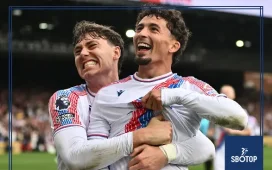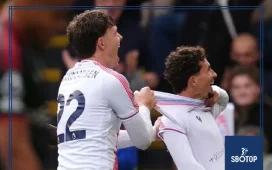
Mohamed Belloumi came off the bench to score Hull City’s second goal and secure a 2-2 draw against Everton, providing the final twist in an eventful Premier League encounter at the MKM Stadium. His 74th-minute equaliser rescued a point after the visitors had overturned Hull’s early second-half lead.
Joe Gelhardt had put the Tigers ahead shortly after the interval, but Kiernan Dewsbury-Hall equalised before Thierno Barry completed Everton’s turnaround. Belloumi then struck six minutes after Barry’s goal, ensuring that neither side could convert a winning position into three points.
All four goals arrived after a goalless first half on Sunday, 11 October 2026. The sequence made Belloumi’s intervention particularly significant: Hull had experienced the frustration of surrendering their advantage, yet responded before Everton could turn their lead into a settled position.
Belloumi Supplies the Final Change
The decisive Hull response came when Elliot Stroud worked the ball back for Belloumi, who finished past Jordan Pickford to bring the hosts level.
It was an effective combination between two substitutes, with the delivery and finish serving complementary purposes. Stroud created the opportunity by finding a teammate in a threatening position, while Belloumi completed the move before Everton could close it down.
The goal changed Hull’s immediate outlook. Instead of entering the closing stages needing to rescue the match, they could pursue a winner while knowing they had restored parity.
For Everton, it removed the advantage they had worked to establish. Their comeback had demonstrated attacking quality, but the equaliser exposed the difference between gaining the lead and protecting it.
Belloumi’s finish ultimately became the afternoon’s last goal, turning his contribution from an encouraging substitute appearance into the action that secured Hull’s point.
A Goalless First Half Leaves Everything Open
The match reached half-time without an accepted goal, although Everton had briefly appeared to take the lead through Brennan Johnson.
That effort was disallowed following a video review for offside. The decision preserved the level score and meant the visitors had no advantage to carry into the interval.
Such moments can influence the shape of a contest without changing the official result. Everton had experienced the apparent reward of an opening goal before seeing it removed, while Hull were able to continue from an unchanged position.
The important factual distinction is that the effort did not count. It should therefore remain separate from the four goals that eventually determined the match.
At the break, neither side had converted its attacking work into a lead. The second half would require a much sharper response from both teams, and it arrived almost immediately.
Gelhardt Gives Hull the Breakthrough
Gelhardt opened the scoring soon after the restart, capitalising on an Everton mistake to beat Pickford and put Hull ahead.
The goal demonstrated how quickly an inaccurate defensive action can change a match. A team can spend long periods managing possession and territory, only to find itself behind because an opponent reacts decisively to one opening.
For Hull, the breakthrough rewarded their readiness to attack when the opportunity appeared. They did not need a prolonged spell of pressure to make the moment count.
It also gave the home side a new responsibility. Having reached the interval level, they now had a lead to manage against opponents with enough attacking ability to respond.
The advantage proved short-lived, but it remained an important part of the afternoon’s story. Hull had shown that they could punish an error rather than allow a promising situation to pass without consequence.
Dewsbury-Hall Restores Everton’s Position
Everton responded through Dewsbury-Hall, whose headed equaliser brought the visitors back into the match.
Ainsley Maitland-Niles supplied the cross, making an attacking contribution after his mistake had helped Hull take the lead. The sequence underlined how a player’s afternoon can contain both damaging and constructive moments.
For Everton, the equaliser prevented the opening concession from becoming a prolonged burden. They could return to pursuing the game from level terms rather than spending the remaining minutes trying to repair the same deficit.
Dewsbury-Hall’s movement and finish supplied the necessary outcome. Possession and approach play matter, but the final action is what turns an attacking sequence into a change on the scoreboard.
The goal also ensured that Hull’s response to taking the lead would be tested. Their first task had been to score; their next was to prevent Everton from building on their recovery.
Barry Completes the Turnaround
Barry put Everton ahead in the 68th minute, converting after Dewsbury-Hall helped create the opportunity.
The goal transformed the visitors’ position. Having fallen behind shortly after half-time, Everton now had a lead of their own and the possibility of turning a difficult afternoon into an away victory.
For Barry, scoring supplied a tangible reward after earlier opportunities had not produced the desired result. A striker’s performance can be shaped heavily by the next chance, particularly when previous moments have ended in frustration.
His finish also increased the demands on Hull. The hosts had moved from leading to trailing within the same half and now needed another successful attack to avoid defeat.
Everton, meanwhile, faced a different examination. Their attacking response had worked, but the remaining challenge was to control the consequences of going ahead without allowing Hull a route back.
Hull Respond Before the Game Escapes
Belloumi’s equaliser arrived only six minutes after Barry’s goal, limiting the amount of time Everton could spend building confidence around their advantage.
That timing was valuable for Hull. A quick response prevents a setback from defining the remainder of the contest and gives the team a concrete reason to keep pursuing its approach.
The move also showed the importance of activity around the ball. Creating a cutback requires a player to reach a useful area, but the pass needs someone available to receive it.
Belloumi provided that option and then completed the attack. Stroud’s work and Belloumi’s finish combined to turn Hull’s response into more than a spell of encouraging possession.
The hosts had not simply recovered emotionally from conceding. They had recovered on the scoreboard, which was the only response capable of changing the points available at the final whistle.
Substitutes Make Their Contribution Count
Belloumi’s goal highlighted the influence players introduced during a match can have on its outcome.
A substitute enters a contest with conditions already established: a scoreline, a tactical pattern and opponents who have spent time adapting to one another. Making an impact requires recognising those conditions quickly.
In this case, Belloumi and Stroud contributed to the same decisive move. Their involvement offered Hull an effective attacking combination during a period when the game remained open.
That does not establish that every substitution will produce a comparable result, nor does one successful action settle future selection decisions. Those would be broader conclusions requiring further evidence.
The immediate value was clear. Hull received a goal from the bench when they needed one, and the contribution was sufficient to prevent Everton from leaving with all three points.
Everton’s Frustration Centres on the Lead Lost
Everton had reasons to view the draw with disappointment. They had recovered from conceding, scored twice and reached a position from which victory was possible.
Once ahead, however, they could not prevent Hull from finding the next goal. That was the central limitation of their afternoon.
Protecting a narrow advantage requires different decisions from chasing a deficit. Players must still offer an attacking outlet, but they also need to judge when to slow possession, retain their shape and prevent opponents from receiving the ball in dangerous areas.
The equaliser showed that Everton did not complete that task successfully on this occasion.
Nevertheless, the draw also preserved their unbeaten league start. Those two facts can coexist: avoiding defeat provided something of value, while surrendering a second-half lead left a clear opportunity missed.
Hull Preserve Their Home Resistance
For Hull, the result maintained their unbeaten home record following their return to the Premier League.
The manner of the draw mattered because the hosts had to respond to a match moving against them. Taking the lead offered encouragement, but conceding twice required a different kind of performance.
Belloumi’s goal ensured that the afternoon ended with evidence of recovery rather than only the frustration of an advantage surrendered.
That provides grounds for confidence without supporting exaggerated predictions about the season. One result cannot determine whether home form will remain strong or how either club will finish.
What it does establish is that Hull found an answer against an Everton side capable of reversing the score. The Tigers remained competitive long enough to make their next opening count, and Belloumi supplied the finish required.
Four Goals Leave Both Teams With Lessons
The closing score reflected an afternoon in which both teams demonstrated attacking ability and both failed to preserve a lead.
Hull could value Belloumi’s intervention while examining how their opening advantage disappeared. Everton could appreciate their comeback while reviewing why it did not become a victory.
Neither perspective requires the invention of dressing-room reactions or claims about what the players were thinking. The sequence itself explains the competing emotions: Hull led, Everton recovered and went ahead, then Belloumi restored equality.
The decisive final contribution belonged to the Hull substitute. His finish made the hosts’ second goal their most important response of the afternoon.
Everton had threatened to leave the MKM Stadium with a comeback win. Belloumi ensured that Hull retained a share of the points.
Also Read: