Burnley’s search for a home league victory stretched to 21 matches after Wolves recovered from an early setback to win 2-1 at Turf Moor on Friday, October 16, 2026. Jamie Vardy gave the Clarets a deserved lead, but Fer Lopez equalised before substitute Tawanda Chirewa completed the turnaround.
The result was especially painful for Burnley because their opening performance offered genuine promise. They created chances, troubled the visiting defence and looked capable of building on Vardy’s first goal for the club. Instead, mistakes allowed Wolves back into the contest and eventually handed them the winning opportunity.
For Wolves, the evening demonstrated the value of staying competitive through a difficult spell. Cesar Peixoto’s side were second best early on, yet remained close enough to punish their opponents. Their reward was three points from a match that had initially appeared to be moving firmly towards Burnley.
Burnley Begin with Purpose
Burnley established an attacking rhythm during the opening stages, moving the ball forward with greater conviction than their recent home results might have suggested. Largie Ramazani provided energy, while Jacob Bruun Larsen helped connect midfield possession with Vardy’s movement. The hosts found situations that forced Wolves to retreat and defend their penalty area.
Igor threatened from outside the box, and Vardy required Jose Sa to make an early save. Those opportunities gave Burnley encouragement, although the scoreboard remained unchanged.
From a tactical perspective, the most promising element was the connection between movement and passing. Burnley were not simply sending hopeful deliveries towards their striker; they were creating openings through combinations and timed runs.
However, a strong start only becomes decisive when it produces a lasting advantage. Burnley still needed to convert their pressure and protect themselves when possession changed hands.
Vardy Provides the Breakthrough
Vardy opened the scoring in the 20th minute, finishing a through ball from Bruun Larsen to put Burnley ahead.
The goal rewarded the hosts’ early work. Bruun Larsen recognised the opening, delivered the pass and allowed Vardy to use the movement and finishing that have defined much of his career.
It was Vardy’s first goal for Burnley and briefly gave the evening a celebratory direction. At 39, he had supplied the clinical contribution his team needed.
The finish also illustrated how experience can influence a contest without requiring constant involvement. A striker may spend time waiting for the right situation, but the timing of one run can change the score.
For Burnley, the immediate task was to build on that moment. Their lead offered an opportunity to make Wolves chase the match, provided they could maintain their organisation and avoid unnecessary risks.
Chances to Strengthen the Advantage
Burnley continued to threaten after scoring, with Bruun Larsen remaining an important part of their attacking play.
Sa was called into action again as the hosts looked for a second goal. Wolves had to withstand pressure rather than immediately impose themselves on the game.
That period mattered because a larger lead would have increased Burnley’s margin for error. Nevertheless, the possibility of a second goal should not be confused with a guaranteed alternative result. Chances still require conversion, and Wolves remained capable of responding.
Burnley’s attacking work was good enough to create optimism, but not enough to settle the contest.
The broader lesson was familiar: controlling a spell of play does not remove the need for defensive concentration. With the score at 1-0, one mistake could undo much of what the hosts had achieved. Wolves eventually found precisely that opening.
Lopez Punishes a Costly Turnover
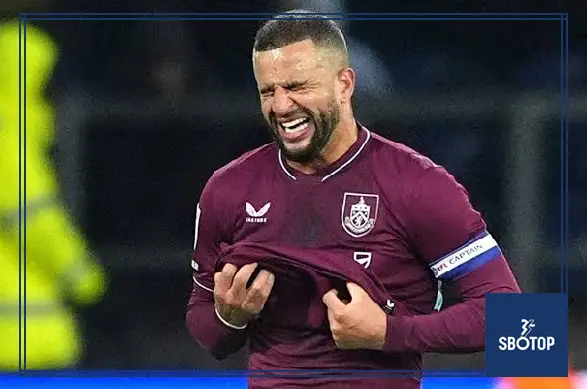
Wolves equalised in the 39th minute after Kyle Walker lost possession close to Burnley’s penalty area.
Sean Neave helped turn the opening into a clear chance, supplying Lopez to finish via the inside of the post. The visitors were level despite having struggled to match Burnley’s earlier attacking threat.
The goal demonstrated the danger of losing the ball near one’s own box. Once possession changed, Burnley had little time to reorganise before Wolves reached a finishing position.
Lopez still needed to execute, and he did so with composure. Neave’s contribution ensured the turnover became more than a brief moment of pressure.
For Burnley, the concession changed the complexion of the interval. Instead of entering half-time with a lead that reflected their productive start, they went in level and faced the psychological challenge of beginning again.
Wolves Stay in a Difficult Match
Peixoto had made six changes following Wolves’ midweek home defeat by Bolton, with the trip to Turf Moor representing their third Championship fixture in six days.
That schedule provided context for the selection decisions, but it did not explain away the visitors’ early problems. Burnley had found ways to threaten them, and Wolves needed both Sa’s interventions and better defensive resistance to remain competitive.
Their achievement was to prevent the first-half deficit becoming larger before taking advantage of the equalising opportunity.
In analytical terms, resilience is valuable when it preserves the possibility of improvement. Wolves did not need to dominate every phase to win; they needed to stay within reach and become more effective as the match developed.
That is what made the equaliser so significant. It gave them a fresh platform for the second half without erasing the lessons of the first.
The Contest Becomes More Even
Burnley still produced an opening after the restart, with Bruun Larsen unable to keep his effort on target.
Wolves answered through Lopez, whose free-kick required Gregoire Coudert to push the ball away. The visitors were beginning to pose a more consistent threat.
The changing balance meant Burnley could no longer rely on the attacking initiative that had characterised the opening stages. They needed to regain control while managing opponents who were growing into the match.
Both teams made adjustments, searching for an advantage in personnel and positioning. Burnley introduced Armando Broja and Dastan Satpayev around the hour mark.
Substitutions can alter energy and attacking options, but their effect depends on how the team uses the new players. On this occasion, the decisive intervention would come from the opposing bench, as Wolves found a contribution that immediately changed the score.
Chirewa Makes an Immediate Impact
Chirewa scored the winner in the 72nd minute, shortly after entering the game.
A poor touch from Igor presented the Wolves substitute with an opportunity to attack. His shot reached Coudert’s gloves but looped over the goalkeeper and into the net.
It was Chirewa’s first Wolves goal and an emphatic demonstration of readiness from the bench. He recognised the opening and acted before Burnley could recover their defensive shape.
The finish contained an element of unpredictability once Coudert made contact, but the chance itself arose from another costly loss of control.
For Burnley, the pattern was particularly frustrating. Both Wolves goals followed mistakes that offered the visitors access to dangerous areas.
For Chirewa, the moment transformed a brief appearance into a match-winning contribution. His introduction mattered because he was immediately prepared to influence the contest.
Burnley Cannot Find Another Response
Once behind, Burnley faced a different problem from the one they had managed so effectively early on.
They needed to create against opponents protecting a lead, with time increasingly limiting their choices. Wolves could focus on restricting opportunities and making the remaining minutes difficult.
The hosts attempted to recover, but their pressure did not produce an equaliser. Their promising first-half combinations were not repeated often enough to change the outcome.
This was a reminder that attacking quality must be sustained across changing circumstances. Playing effectively at 0-0 or 1-0 can require different decisions from chasing a match late on.
Wolves completed that final task successfully. Having survived the hosts’ best period and taken their own chances, they defended the advantage that Chirewa supplied. Burnley were left with another home defeat and the frustration of knowing they had helped create their opponents’ route to victory.
A Home Record That Keeps Growing
The defeat extended Burnley’s winless home league sequence to 21 matches, comprising 11 losses and 10 draws.
Their previous home league victory had come against Leeds United on October 18, 2025. With no opportunity to end the run before the anniversary, the wait would pass the one-year mark.
That record covers league matches specifically. It should not be broadened into a claim about every competition or every performance at Turf Moor.
Even with that distinction, the sequence represents a substantial problem. Home fixtures usually provide a foundation for collecting points, and Burnley had gone an extended period without turning those opportunities into wins.
The Wolves match also showed why the record cannot be explained by one simple cause. Burnley created enough to lead, but execution at critical moments undermined them. Improvement required more than an encouraging opening spell.
Hayen’s Evaluation Highlights the Central Problem
Burnley head coach Nicky Hayen praised aspects of his team’s first-half organisation but acknowledged the cost of individual mistakes.
His assessment reflected the match’s central contrast: the Clarets could build promising attacks, yet failed to protect the result their early work had earned.
That does not make tactics irrelevant. Clear passing options, supporting positions and defensive cover can help players manage pressure. Nevertheless, those structures still depend on accurate decisions and execution.
Wolves left with a victory built on opportunism, persistence and a successful substitution. Lopez restored their position, while Chirewa supplied the decisive finish.
Burnley left with evidence that they could compete, but another reminder that promising football has limited value without points. At Turf Moor, Vardy’s breakthrough briefly suggested the long wait might end. Instead, two costly moments ensured that familiar disappointment returned.
Also Read: