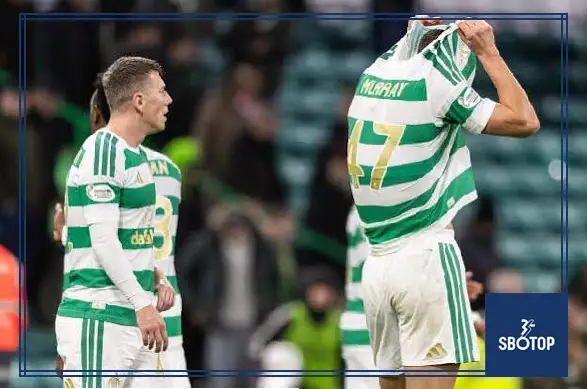
Celtic surrendered an early lead before recovering to draw 2–2 with Dundee United at Celtic Park on Wednesday, 28 October 2026. Camilo Durán opened the scoring, but goals from Zac Sapsford and Neil Farrugia transformed the contest within three first-half minutes. Liam Scales eventually equalised, although the champions could not complete the turnaround.
The result left Martin O’Neill’s side four points clear at the top of the Scottish Premiership. With Rangers also drawing against Hearts, Celtic avoided losing ground but missed an opportunity to strengthen their position. Their second-half response earned a point; their defending explained why a recovery had been necessary.
For Dundee United, the evening demonstrated both attacking conviction and defensive endurance. Jim Goodwin’s players responded positively to conceding, took their opportunities and survived sustained pressure after the interval. Celtic’s frustration should not obscure the visitors’ contribution to a match that changed direction more than once.
Celtic’s Bright Start Produces the Opening Goal
O’Neill retained the starting side that had beaten Hibernian 2–1 at the weekend. Celtic began positively, with Kasper Høgh threatening from Kieran Tierney’s delivery and Scales heading narrowly wide from a corner.
Their breakthrough arrived in the 18th minute. Benjamin Nygren headed the ball back across goal, Høgh laid it off and Durán supplied the finish. The move rewarded Celtic’s early attacking intent and gave them a promising platform.
The goal illustrated the value of supporting movements inside the penalty area. Nygren kept the attack alive rather than attempting an unlikely finish, while Høgh recognised the teammate arriving in a better position.
Analytically, that combination created an opportunity through cooperation rather than individual improvisation. Celtic had moved defenders towards the initial delivery before finding another route to goal. The next challenge was converting that advantage into a period of control.
United Refuse to Let the Match Drift Away
Dundee United did not respond to falling behind by abandoning their attacking intentions. Farrugia continued making progress down the left, and Jesse Randall forced Sam Johnstone into a save after a move involving Sapsford.
Those moments mattered because they prevented Celtic’s opening goal from becoming the defining event of the half. United showed they could reach dangerous positions and make the home defence work.
From a tactical perspective, a team playing away against the league leaders needs more than an organised defensive shape. It also requires a reliable way to advance, retain possession or threaten when opportunities emerge.
United provided that response. Their willingness to attack meant Celtic could not simply concentrate on creating a second goal. The visitors were beginning to establish that the match would remain competitive, regardless of the hosts’ encouraging start.
Sapsford’s Movement Brings the Equaliser
United drew level in the 28th minute when Sapsford met Lyall Cameron’s delivery with a well-directed header. His movement took him ahead of Scales, and the finish found the far corner.
The equaliser exposed a problem Celtic could not solve through possession alone. Once the ball was delivered, the contest depended on positioning, timing and the ability to prevent the attacker reaching it first.
Analytically, an accurate delivery becomes especially difficult to defend when the receiver changes direction before making contact. Defenders must track the movement while remaining aware of the flight of the ball.
Sapsford completed both parts of the attacking action effectively: he created separation and directed his header away from the goalkeeper. United’s response was now reflected on the scoreboard, while Celtic had lost the advantage their opening pressure had established.
Farrugia Completes a Rapid Reversal
Only three minutes later, Farrugia put Dundee United ahead. Celtic failed to deal convincingly with another ball delivered into their defensive area, and the United player reacted to force the ball home.
The hosts had moved from leading to trailing in a short spell. More importantly, the two goals required different defensive actions: preventing the first header, then responding effectively when the next delivery was not cleared.
The sequence highlighted the importance of resetting after conceding. An equaliser changes the score, but it should not immediately unravel the structure or concentration needed for the next phase.
That is a tactical reading rather than evidence of what individual Celtic players were thinking. The observable outcome was that United scored twice in three minutes. Celtic’s earlier promise had become a half-time deficit, creating another test of their ability to recover.
O’Neill’s Half-Time Changes Provide Width
O’Neill introduced Jota and Haissem Hassan at half-time, replacing Høgh and Callum Osmand. The alterations gave Celtic different attacking options as they tried to stretch United’s defensive organisation.
The tactical logic was visible in the emphasis on wide play. Players capable of taking on defenders can force an opponent to shift across the pitch, opening crossing opportunities or creating gaps for supporting runners.
However, width only becomes useful when the delivery and movement inside the area connect. Simply moving the ball towards the touchline does not guarantee a better chance.
Celtic’s task was therefore to turn their increased attacking presence into accurate service. The substitutions helped change the character of the second half, but United still had opportunities to defend their lead. The contest now depended on whether Celtic could make their pressure count before time became an additional opponent.
Scales Gives Celtic the Response They Need
Celtic’s equaliser arrived in the 65th minute. Jota delivered an inviting cross, and Scales headed it into the net to restore parity. The defender’s attacking contribution brought the home side back into a match that had become increasingly urgent.
The goal also demonstrated the practical impact of the half-time changes. Jota supplied the quality of delivery required, while Scales attacked the opportunity decisively.
It would be too simplistic to describe the goal as cancelling out every earlier defensive problem. Scoring at one end and defending at the other are separate responsibilities, both of which require evaluation.
Nevertheless, Scales’ finish gave Celtic a genuine opportunity to win. With the score back at 2–2, their remaining pressure could be directed towards a decisive goal rather than merely avoiding defeat. United, meanwhile, had to regroup after losing their advantage.
Walton Prevents the Comeback Becoming a Victory
Celtic continued searching for a winner, but Jack Walton produced important saves. Hassan tested him, and Mika Baur was denied from close range as the hosts pushed forward.
Those interventions helped preserve United’s point. Celtic had generated the momentum required to threaten another goal, but the goalkeeper supplied the final defensive action when the visitors’ outfield protection was breached.
From an analytical standpoint, this distinction matters. A team can defend diligently and still allow opportunities; successful goalkeeping is part of the collective performance rather than an unrelated escape route.
For Celtic, the chances offered evidence that their attacking adjustments were producing results. However, creating an opportunity and completing it remained different tasks. Their recovery stopped at an equaliser because the subsequent moments did not produce another successful finish.
Attacking Pressure Still Requires Protection
Celtic’s pursuit of victory also carried risk. O’Neill acknowledged afterwards that United remained dangerous on the break, even during a second half in which the hosts generated repeated attacks.
That assessment complicates any suggestion that the final stages were simply a matter of waiting for Celtic to score. Their pressure created possibilities at one end while requiring vigilance at the other.
Tactically, the players positioned behind an attack have a significant role. They must anticipate clearances, compete for second balls and prevent a single forward pass from releasing the opposition into open space.
The balance becomes more demanding as time runs down. Urgency can encourage additional forward movement, but leaving inadequate cover may turn a potential winning spell into a defeat. Celtic needed ambition and protection simultaneously, rather than treating the two as competing priorities.
O’Neill Acknowledges Frustration Without Declaring a Crisis
After the match, O’Neill accepted that Celtic could have defended the goals better. He nevertheless stopped short of presenting the performance as evidence of a defensive crisis, placing greater emphasis on the disappointment of not winning.
In his subsequent reflection, he also recognised the strength of the second-half response and the possibility that the recovered point could prove valuable over the season.
Those positions can coexist. Celtic’s reaction after the interval offered encouragement, while the earlier concessions remained problems to address. Praising resilience does not require ignoring the circumstances that made resilience necessary.
Analytically, the next step is reducing the frequency of recovery missions. A strong team needs the ability to respond when behind, but it also benefits from protecting an advantage and avoiding unnecessary changes in the match’s direction.
A Draw with Different Meanings for Both Teams
United could take satisfaction from competing effectively at Celtic Park, although surrendering a half-time lead naturally left room for disappointment. Their attacking response and defensive resistance both contributed to earning the result.
Celtic’s interpretation was less comfortable. They started well, lost control through two concessions and then improved enough to recover. The final score rewarded their response without disguising the opportunity missed.
Their four-point advantage remained intact that evening, but the match itself offered no guarantee about the eventual title race. Its immediate lesson concerned performance: promising attacks and determined recoveries cannot always compensate for avoidable defensive vulnerability.
At Celtic Park, three first-half minutes changed a potentially commanding night into a difficult one. Scales and the substitutes helped rescue the situation, while Walton prevented the comeback from becoming complete. Celtic finished with a point, encouragement from their response and clear defensive work still to do.
Also Read: