Tottenham Hotspur reportedly lodged a formal complaint with refereeing body Pro Ref after Leeds United defender Jayden Bogle stayed on the pitch for a challenge that forced Mathys Tel out of their match at Elland Road. Referee John Brooks awarded Spurs a free kick but showed no card. Video assistant referee Tony Harrington checked for a possible dismissal and did not recommend a pitchside review. Leeds went on to win 1–0 through Noah Okafor’s 79th-minute goal.
The Premier League’s independent Key Match Incidents Panel subsequently backed both decisions by a 3–2 majority. Its findings, published on 18 November 2026, said the majority regarded the contact as reckless but judged it to fall below the threshold for serious foul play. Two panellists thought it warranted a red card. That assessment came through the league’s regular review of officiating decisions. Any separate response from Pro Ref to Tottenham’s complaint has yet to be publicly confirmed.
What Happened Between Bogle and Tel
The incident occurred in the 34th minute of the Premier League match on 7 November, with the score still 0–0. Tel was on Tottenham’s left, just inside their own half, when Bogle challenged him. The Leeds defender’s studs came down on the back of Tel’s left ankle around the Achilles. Brooks stopped play and awarded the foul as the Tottenham forward received treatment.
The VAR check lasted around four minutes. Harrington examined whether the contact amounted to serious foul play, which would have warranted a straight red card. Brooks stayed on the field throughout the check. With no recommendation to consult the monitor, he let his original decision stand. Bogle continued without a caution and soon delivered a cross that Lukas Nmecha headed straight at Antonín Kinský.
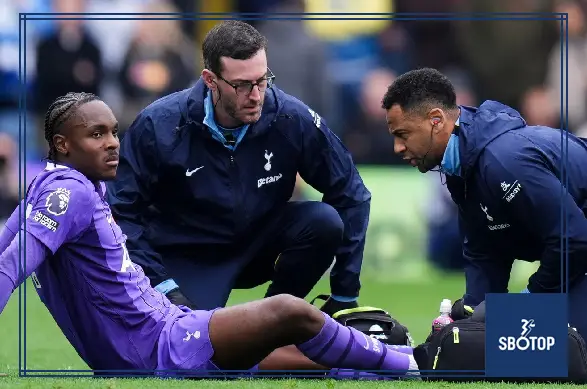
Tel initially tried to play on, then went down again and had to come off. Dominic Solanke replaced him in the 43rd minute. Tottenham head coach Roberto De Zerbi described the ankle injury as serious in his immediate assessment and said medical checks were needed to establish its extent. Tel’s withdrawal was an immediate consequence for Tottenham. His initial treatment and substitution gave no firm indication of a recovery timetable.
Why Tottenham Took the Decision to Pro Ref
Tottenham’s reported position was that the challenge merited a sending-off. The club sought an explanation for why Brooks showed no red card and why the video official allowed that decision to stand. Reports on the day of the match described an intention to submit a formal complaint. Subsequent reporting said the club had filed it.
The incident raised two related questions. The first was whether Brooks should have dismissed Bogle based on the challenge itself. The second was whether Harrington saw enough on the replays to conclude that allowing Bogle to stay on was a clear and obvious error. The four-minute check showed that the incident received close attention. Its length alone tells little about how the officials judged the force of the contact or why the threshold for intervention was judged to have been unmet.
The debate came a week after Crystal Palace forward Jean-Philippe Mateta was sent off for a challenge in a match against Tottenham. The two incidents drew comparisons because they involved contact around the back of an opponent’s ankle. Each decision still depends on the details of the challenge, including the point of contact, speed and force. The earlier dismissal gave Spurs an obvious comparison when asking how officials applied the same standard at Elland Road.
The Review Panel Backs Brooks and Harrington by One Vote
The league’s panel assessed Brooks’s decision to keep Bogle on the pitch and Harrington’s decision to leave it unchanged. Three of the five panellists backed each call. The decision under review was whether Bogle should have been sent off. The panel’s reasoning also made clear that the majority considered the challenge a foul and the contact reckless.
The majority judged that Bogle tried to make the challenge with his right leg and that his left leg came down on the back of Tel’s ankle. In their assessment, the contact lacked the speed, force or intensity required for serious foul play. The other two panellists considered the challenge sufficiently dangerous to merit dismissal. The vote on VAR intervention followed the same split.
That distinction matters because a reckless challenge ordinarily warrants a caution under the Laws of the Game. A challenge that endangers an opponent’s safety or involves excessive force can warrant a straight red for serious foul play. The video official was checking a possible dismissal. Once Harrington concluded that the incident did not meet that threshold, the check ended without a recommendation to review the incident on the field. A missed first caution falls outside that red-card review.
Several former officials reached a different conclusion from the panel majority. Former Premier League referee Mike Dean judged the tackle worthy of a dismissal, as did former assistant referee Darren Cann. Former referee Dermot Gallagher also felt Bogle was fortunate to stay on. Those were individual assessments, and the published panel vote showed the disagreement extended to the five people formally reviewing the decision.
De Zerbi and Farke Focus on Different Aspects of the Tackle
De Zerbi expressed confidence in the officials when asked whether he would have preferred Brooks to look at the monitor. He also questioned the consistency of the referee’s decisions, pointing to a second-half yellow card for Pedro Porro after a challenge on Nmecha. His immediate comments left open whether Bogle’s tackle should have drawn a red, while Tottenham’s reported complaint set out a firmer club position.
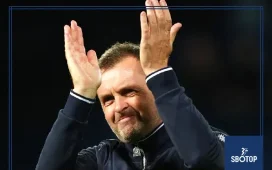
Leeds manager Daniel Farke defended Bogle’s intentions and wished Tel a swift recovery. Farke said he had yet to watch the replay when first asked about it. His response focused on whether Bogle meant to hurt an opponent. The disciplinary question turns on the danger and force of the challenge itself. An official can find that a player endangered an opponent even in the absence of an intention to cause injury.
De Zerbi also criticised Tottenham’s second-half performance, particularly their intensity in challenges and their ability to play through Leeds’ pressure. Spurs had opportunities before the interval through Omar Marmoush and Mohammed Kudus, and the match was still level when Solanke came on. After half-time, they spent longer defending and struggled to create a sustained spell of pressure before Leeds scored.
Leeds Turn Their Second-Half Pressure Into a Win
Leeds came close soon after the restart when Dominic Calvert-Lewin’s header from a corner was stopped on the line by Solanke. Ao Tanaka later lifted a shot over after Calvert-Lewin set him up. Tottenham did threaten when substitute Conor Gallagher drove narrowly wide, but Kinský was increasingly busy at the other end. He denied Calvert-Lewin and then kept out Sean Longstaff’s effort from inside the area.
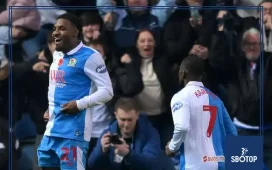
Farke sent on Harry Wilson and Okafor in the 77th minute. The pair combined less than two minutes later, with Wilson’s flick releasing Okafor inside the box. The Swiss forward took a touch and drove his finish into the corner. Leeds were still only one goal ahead in stoppage time, when Jan Paul van Hecke headed towards the corner from a free kick. James Trafford dived to his left to push it around the post.
The win ended five league games without a victory for Leeds and halted Tottenham’s run of three successive wins. A dismissal in the first half would have changed the numbers on the pitch with nearly an hour to play, and either manager might have responded with different substitutions or tactics. The score was goalless at the time, and the outcome of that alternative match cannot be established from what followed.
What the Complaint and the Panel Vote Establish
Tottenham’s complaint concerns the handling of a specific incident. A direct explanation from the refereeing body could address what the video official saw, how he assessed the contact and why he decided against sending Brooks to the monitor. The league panel’s findings already give a clear account of how its own members evaluated the tackle. They also show where the judgment divided, with two panellists seeing sufficient danger for a red and three seeing a reckless foul below that threshold.
For Tottenham, the decision had an immediate practical consequence. They lost Tel before half-time while Leeds kept Bogle available until his stoppage-time substitution. For Leeds, the result also depended on turning second-half pressure into a goal and keeping out Van Hecke’s late header. Okafor’s finish settled the match. The narrow votes on the tackle and the VAR check explain why the decision remained contested even after the league published its assessment.
Also Read: