

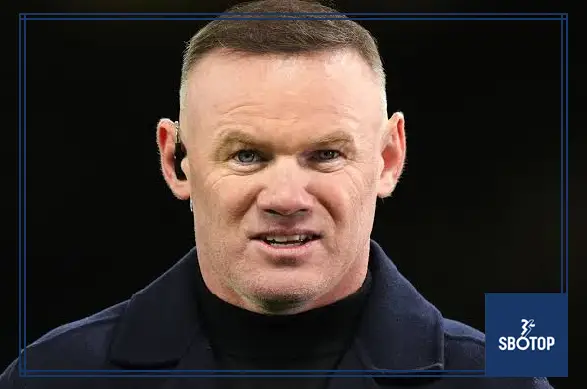
Wayne Rooney has said he contemplated suicide during a period he remembers as one of the lowest points of his life, even as he was playing some of his best football for Manchester United. In an interview with Gabby Logan released on 17 November 2026, the former United and England captain described withdrawing from people, drinking heavily at home and struggling to admit how much he needed help. He said he spoke to a therapist and credited his wife, Coleen, with helping him through that period.
Rooney, 41 at the time of the interview, recalled being in his mid-20s, relatively newly married and raising his eldest son, Kai. He and Coleen married in 2008, and Kai was born the following year. Rooney spoke about that stage of his life broadly, describing a time when he expected to be happy and could see how well his career was going. He remembered feeling comfortable on the pitch while finding ordinary encounters away from football increasingly difficult.
What Rooney Shared About His Life Away From Matches
Rooney described periods when he shut himself away at home and drank heavily. He recalled avoiding people in public and losing the desire to do everyday things such as going to the shops. At home, he said, he did not want his young son to see him in that state. His recollection placed the suicidal thoughts within a wider period of isolation and distress, during which he found it hard to talk openly about what was happening.
He was candid about the effect his behaviour had on his family. He said the strain brought his marriage close to breaking point and described looking back critically on some of his actions. He also recalled knowing that he was struggling with something he could not easily explain. Both parts of the account matter. Rooney acknowledged the consequences for people close to him, and he described how difficult it was to ask for help even after he understood that his situation was serious.
His account also challenged the expectations he placed on himself at the time. He had a young family and was succeeding professionally, circumstances he thought should have made those years among his happiest. The distance between that expectation and his experience was part of what he was trying to understand when he spoke to a therapist. In the interview, those details came from Rooney’s own recollection of his life in his mid-20s. He described the distress, his behaviour and the people he turned to without tying his experience to any single match or incident.
The Football Career That Continued in Public
Rooney joined Manchester United from Everton in 2004 and spent 13 years at Old Trafford. He scored 253 goals in 559 appearances, leaving in 2017 as the club’s record goalscorer. He won five Premier League titles, the Champions League, the FA Cup and three League Cups during his time with United. In 2009/10, around the stage of his career he discussed with Logan, his fellow professionals voted him PFA Players’ Player of the Year.
That award offers a point of reference for what supporters and colleagues could see. Rooney was producing performances that players across the league considered worthy of their highest individual honour. In his own assessment, he did not feel that his drinking had affected his displays on the pitch. That was his view looking back. The record of those seasons shows how effectively he performed for United, while his interview describes how much he was struggling in the hours and days away from the club.
Rooney had been living with public attention long before the period he described. He made his senior debut for Everton in 2002 and became the Premier League’s youngest scorer at the time, aged 16. By 2004 he was at United, where he would later become captain. His conversation with Logan also touched on what it meant to become famous as a teenager and to find himself treated as a role model while still growing up. Those subjects help explain the wider scope of the interview, which covered fatherhood and life after playing as well as the period when he experienced suicidal thoughts.
Why Asking for Help Felt Difficult
Rooney said he had worried that admitting he was struggling would be seen as weakness. He linked that reluctance to ideas about masculinity and to the culture he experienced in football. In his account, acknowledging the seriousness of the situation to himself and saying it aloud to somebody else were separate steps. He could recognise privately that things were going badly and still feel pressure to hide that from the people around him.
The pitch was one of the places where he still felt at ease. He knew what to do there and could focus on the immediate demands of the game. Away from it, he described finding even brief encounters uncomfortable. That difference helps explain why the period can look so different depending on where the story begins. A teammate or supporter could remember a strong performance. Rooney could remember the same stretch of his career through the time he spent alone after football was finished for the day.
Rooney’s comments concerned the expectations he felt and how they shaped his own willingness to speak. They offer a specific example of a barrier that people in football can discuss. Players are routinely asked to demonstrate resilience through selection setbacks, criticism and pressure to perform. Rooney recalled feeling that revealing his struggles would count against the image he believed he had to maintain. By describing that fear in his own words, he made clear why recognition of a problem and readiness to seek help did not arrive at the same moment for him.
The Support He Credits With Helping Him Through It
Rooney said that he opened up to Coleen and his mother and came to recognise that he needed help. He also spoke to a therapist as he tried to understand why he was struggling at a point when so much in his life appeared to be going well. His account described both the support available through people who knew him closely and the separate step of speaking to someone in a professional setting.
He gave particular credit to Coleen, describing how much her support meant at a time when their relationship was under severe strain. He also discussed how giving up alcohol had affected his marriage and parenting. The conversation moved between the young father who wanted to keep his distress out of sight and the older man reflecting on how his decisions affected the people at home. That change in perspective gave his interview a broader focus than the achievements and disappointments by which a football career is usually measured.
A Fuller Account of the United Years
Rooney’s playing career continued after he left Old Trafford. He returned to Everton, played for D.C. United and joined Derby County, where he moved into management and retired as a player in 2021. He scored 53 goals in 120 appearances for England, a national record later surpassed by Harry Kane. By the time of the interview, he had also moved into punditry, giving him a public role in which he could look back on the years that had previously been discussed chiefly through his performances.
The milestones at Old Trafford remain a clear record of what Rooney accomplished. The players who voted for him in 2010 were judging the football they had seen. Rooney was answering a different question when he spoke about the same broad period in 2026. He described how he felt when he went home, why it was difficult to tell anyone and what helped him begin to talk. His public achievements and his account of private distress belong to the same years, each revealing a part of his life that the other could never fully capture.
Also Read: