

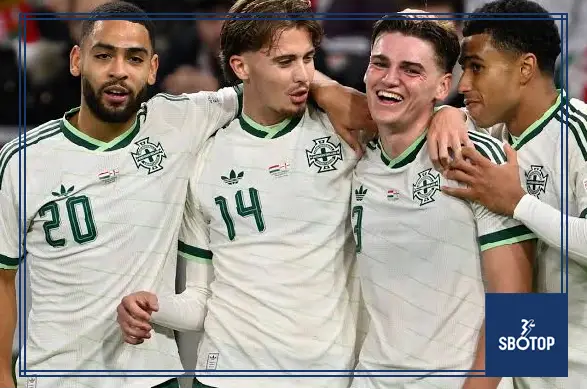
Justin Devenny lifted the ball into the air outside Hungary’s penalty area and volleyed it into the top corner. The 65th-minute equaliser at the Puskás Aréna earned Northern Ireland a 1–1 draw on 17 November 2026 and secured automatic promotion to the top tier of the Nations League. Barnabás Varga had put Hungary ahead in the first half, a goal that briefly took the hosts to the top of Group B2. Devenny’s strike restored Northern Ireland’s one-point advantage, and Michael O’Neill’s side held it to the final whistle.
Northern Ireland had arrived in Budapest needing a draw. They reached half-time needing a goal, with O’Neill serving a touchline ban and watching from the stands. Changes after the break helped the visitors apply pressure of their own, and Isaac Price struck the post before Devenny brought them level. Hungary then pressed for a winner that would have reversed the order again. Northern Ireland had to defend the point their equaliser had earned, with goalkeeper Pierce Charles and the players in front of him repeatedly intervening in the closing stages.
A One-Point Lead Made the Stakes Clear
Northern Ireland began the final round on 11 points, one ahead of Hungary. They had beaten Ukraine 1–0 in Belfast three days earlier, while Hungary had won 2–0 away to Georgia. The arithmetic was straightforward. A draw or win would send Northern Ireland up as group winners, and a Hungary win would give the hosts first place. Their September meeting in Belfast had ended goalless, with Northern Ireland creating several openings and Hungary threatening late. The rematch would decide which team went straight up and which had to take its chances in a play-off.
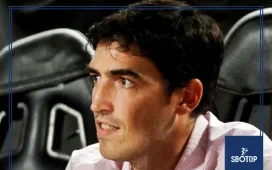
O’Neill made one change from the victory over Ukraine. With Jamie Donley suspended, midfielder Patrick Kelly came into the side in an unfamiliar role up front. Trai Hume captained the visitors. Hungary, meanwhile, had Varga available after he missed the September meeting through injury. O’Neill was able to relay instructions to a coaching team that included Steven Davis, Diarmuid O’Carroll and Jimmy Nicholl. The separation between the stands and the dugout became particularly relevant once Northern Ireland had to adjust their approach in the second half.
Varga Ends Northern Ireland’s Run of Clean Sheets
Northern Ireland had the first opening when Devenny’s corner found Hume at the back post. Hume headed the ball back across the six-yard area, where Hungary cleared. The hosts came closer a minute later. Bendegúz Bolla’s cross reached Dominik Szoboszlai, who struck the post. Varga later headed over, and Tom Atcheson made an important block to keep the striker from shooting in the six-yard area. For a team that could go up with a draw, Northern Ireland were already having to do plenty of work to preserve one.
Atcheson also had a chance at the other end when Ruairi McConville flicked a long throw into his path, but Balázs Tóth gathered his shot. Hungary went ahead in the 35th minute after clearing the ball downfield. Hume’s header sent it backwards, Varga raced onto it, and the forward slipped his finish past Pierce Charles. It was the first goal Northern Ireland had conceded in six group matches. It also changed the live standings, with Hungary now on course for automatic promotion.
Northern Ireland managed to get into promising positions before half-time. Atcheson sent one ball into the area that Hungary cleared, while Kelly brought another down and crossed without finding a teammate. In added time, Ethan Galbraith sent a delivery towards the far post, where Szoboszlai got to it before Shea Charles could arrive. Those moves suggested the visitors could still find space. The problem was getting a player onto the final ball before Hungary closed it down.
O’Neill’s Changes Give the Visitors More Ways Forward
Josh Magennis replaced Atcheson at half-time to earn his 95th cap. Bringing on an experienced centre-forward gave Northern Ireland a more natural target and changed what Hungary’s central defenders had to deal with. Terry Devlin struck the side-netting before Brodie Spencer and Kieran Morrison came on in the 56th minute for Devlin and Kelly. The visitors began to spend more time in positions from which they could deliver into the area or shoot from outside it.
Price hit the base of the post with a low shot from just beyond the penalty area. Morrison also found room on the right after receiving a pass from Shea Charles and clipped a delivery towards the far post, where Attila Osváth cleared. Those attacks forced Hungary to defend successive phases. A clearance could end one chance, but Northern Ireland were increasingly in position to collect the next ball and start again. Devenny’s equaliser came from exactly that kind of second opportunity.
Devenny Turns a Loose Ball Into the Promotion Goal
Hume sent in a long throw, and Ciaron Brown flicked it on. Shea Charles got a touch before the ball came loose to Devenny outside the box. Devenny controlled it, lifted it into the air and struck the volley into the top-left corner. The move began with three teammates contesting or redirecting the ball and ended with a finish that gave Tóth little chance. At 1–1, Northern Ireland were back on course to win the group, and Hungary once again needed to score.
The equaliser also rewarded an approach Northern Ireland had used throughout the match. Earlier throws had caused problems inside Hungary’s area, including the one that led to Atcheson’s first-half chance. This time, the opening fell outside the area to a player positioned to attack a loose ball. Devenny still had to create a clean strike from an awkward setup. His first touches gave him the height to hit the volley, and the finish meant the visitors could spend the remaining minutes protecting a result that suited them.
Northern Ireland Hold Firm as Hungary Chase a Winner
Devenny was soon back in his own defensive third clearing a dangerous Szoboszlai cross. Hume later headed away another delivery from Hungary’s captain, while András Schäfer sent a header wide after Milos Kerkez crossed to the back post. When the ball came loose in a crowded penalty area, Pierce Charles smothered it. McConville headed clear a Szoboszlai free kick and made another clearance before the whistle. Hungary kept finding ways to put the ball into dangerous positions, and Northern Ireland kept making the next intervention.
A late Hungary goal would have meant the difference between automatic promotion and a play-off. That gave particular weight to clearances that might otherwise have seemed routine. A defender had to get enough distance on the header, a midfielder had to react when the ball dropped, and the goalkeeper had to decide when he could claim it through traffic. Around 2,700 travelling supporters were there to see those final minutes out. When the whistle went, Northern Ireland had both the point they needed and an unbeaten record to take home.
An Unbeaten Campaign Earns a Place in the Top Tier
Northern Ireland finished with 12 points from three wins and three draws. Hungary took second on 11 and were drawn against Serbia in the League A/B play-offs. Ukraine finished third with seven after beating Georgia 1–0 on the final night, while Georgia ended on two. O’Neill’s side kept five clean sheets and conceded only Varga’s goal across the entire group campaign. They also beat Ukraine twice and took points from both meetings with Hungary, results that gave them the narrow cushion they protected in Budapest.
The reward is a first appearance in League A in the 2028/29 edition, two years after Northern Ireland earned promotion from League C. The point in Budapest summed up what got them there. A team that had protected its goal throughout the campaign had to change course when Varga scored. O’Neill’s substitutions helped them push forward, Devenny supplied the finish, and the defence had to withstand one last spell of pressure. Northern Ireland went to Hungary knowing a draw was enough. The achievement was finding a way back to that draw after the position they had spent five matches building slipped away.
Also Read: