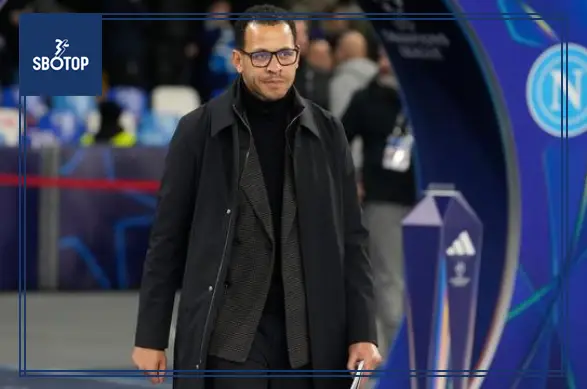
Liam Rosenior’s short-lived spell at Chelsea has taken a sharper turn in public perception after reports revealed an unflattering dressing room nickname that players allegedly used to describe him. The former head coach, who was appointed in January as a replacement for Enzo Maresca, struggled to maintain authority during a turbulent run of results that ultimately led to his dismissal. While official statements focused on performance, emerging accounts from within the squad suggest deeper concerns over leadership and control behind the scenes.
A Short Tenure Defined by Poor Results and Growing Pressure
Rosenior’s time at Chelsea ended abruptly after a series of disappointing performances, including five consecutive defeats without scoring a single goal. The final blow came in a 0-3 loss to his former club Brighton & Hove Albion, a result that left Chelsea’s management with little choice but to act decisively.
The club officially confirmed his departure shortly after the defeat, marking the end of a tenure that lasted only a matter of months. Despite initial optimism surrounding his appointment, results quickly deteriorated, and the team’s lack of attacking output became a major concern among supporters and executives alike. Internally, pressure had been building for weeks before the decision was finalized.
“Supply Teacher” Nickname Highlights Dressing Room Perception
According to a detailed report published by BBC Sport, some Chelsea players privately referred to Rosenior as the “supply teacher,” a nickname that reflects a perceived lack of authority in the dressing room. The term, often used in British culture to describe a temporary substitute with limited control, suggests that certain players did not view his leadership as fully established or commanding.
While not all players shared this opinion, the report indicates that the sentiment existed within parts of the squad. Several players were said to appreciate Rosenior’s personality and approach on a human level, describing him as respectful and approachable. However, respect alone did not translate into strong authority on the training ground or during tactical discussions.
The nickname became symbolic of a broader issue: a gradual erosion of influence within the group. Over time, key player-led meetings reportedly became less structured, and communication between leadership figures and the manager weakened.
Tactical Messaging and Loss of Control in the Squad
Rosenior had attempted to introduce structured cultural elements within the squad, including pre-match huddles emphasizing unity and discipline. One of his recurring messages reportedly focused on “respecting the ball,” a principle intended to reinforce technical discipline and possession-based play.
However, sources close to the team suggest that these initiatives failed to gain lasting traction. As results worsened, senior player groups became less vocal, and internal leadership structures began to fragment. The BBC report indicates that Rosenior’s tactical messaging increasingly struggled to translate into consistent performances on the pitch.
The situation was further complicated by inconsistent team selection decisions. One of the most notable points of tension involved 19-year-old defender Josh Acheampong, whose limited playing time reportedly caused frustration among certain squad members who believed the youngster deserved more opportunities.
Club Support Diminishes as Results Collapse
Despite internal challenges, Chelsea’s hierarchy initially maintained support for Rosenior, hoping that stability would eventually translate into improved performances. However, the lack of goals and repeated defeats placed the club in a difficult position, especially given their ambitions to remain competitive at the highest level.
As pressure intensified, the gap between management expectations and on-field reality became increasingly difficult to ignore. The combination of poor results and reported dressing room disconnect ultimately forced Chelsea’s decision-makers to intervene.
In professional football environments like Stamford Bridge, where expectations are consistently high, managerial patience is often limited. Rosenior’s inability to reverse the downward trajectory made his position unsustainable, regardless of early backing from the board.
Interim Solution and Search for Long-Term Stability
Following Rosenior’s departure, Chelsea have appointed Calum McFarlane as interim head coach until the end of the season. McFarlane’s immediate priority is to stabilize performances and restore confidence within the squad, which remains in transition after recent upheaval.
Looking ahead, Chelsea are already evaluating candidates for a permanent managerial appointment in the summer. Several experienced names have entered early discussions, reflecting the club’s desire to find a more stable long-term solution.
Among the reported candidates is Andoni Iraola, who is expected to leave Bournemouth at the end of the season and is considered an attractive option due to his progressive tactical style. Fulham manager Marco Silva has also been linked, particularly given his contractual situation, which could allow Chelsea to appoint him without a transfer fee. Meanwhile, former Borussia Dortmund coach Edin Terzic is also under consideration, although concerns remain regarding Chelsea’s recent history of frequent managerial changes.
Conclusion: Leadership Questions Shadow Chelsea’s Transition Phase
Liam Rosenior’s brief tenure at Chelsea has quickly become a case study in how fragile managerial authority can be in elite football environments. While publicly respected for his character and professionalism, internal reports suggest that his control over the dressing room weakened over time, culminating in the revealing “supply teacher” nickname that symbolizes his perceived lack of authority.
The combination of poor results, tactical inconsistency, and diminishing influence ultimately led to his dismissal. However, the broader issue for Chelsea extends beyond one managerial spell. The club now faces the ongoing challenge of restoring stability and establishing a clear leadership structure that can withstand pressure and deliver consistent results.
As Chelsea prepare for another managerial transition, the lessons from Rosenior’s short-lived reign will likely shape future decisions. The search for a permanent head coach is not just about tactical ability, but also about authority, dressing room control, and long-term resilience. Whether the next appointment can finally provide that stability remains one of the club’s most pressing questions heading into the next season.
ALSO READ :