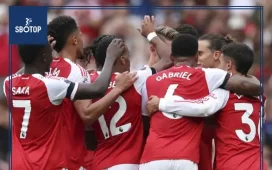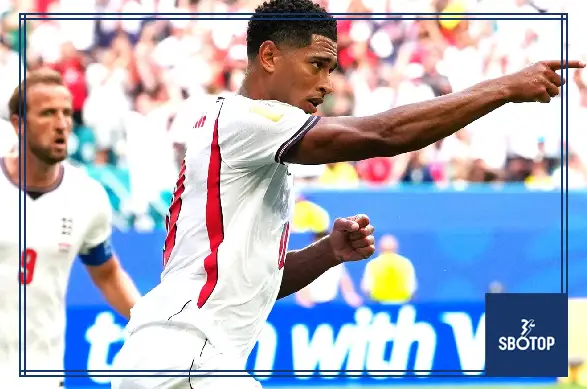
England’s campaign survived an examination of nerve as Jude Bellingham delivered twice against Norway, turning the quarter-final into a 2-1 extra-time victory. England were below their best, but Bellingham again refused to let the tournament end. He equalised shortly before half-time and then reacted fastest to a goalkeeping error at the start of extra time, sending Thomas Tuchel’s side into the semi-finals.
The result carried England into the last four after a contest filled with uncertainty. Norway scored first, defended with courage and continued to threaten even after Bellingham restored parity. Erling Haaland was kept quiet, but Andreas Schjelderup, Martin Ødegaard and Norway’s energetic midfield ensured England never felt comfortable. By the whistle, the difference between celebration and elimination was Bellingham’s hunger to follow every attack and seize the decisive moments.
Norway Refuse to Be Intimidated
Norway entered the quarter-final with confidence after an impressive tournament, including a famous victory over Brazil in the previous round. Rather than protecting their penalty area from the opening whistle, they pressed England’s build-up, competed aggressively for second balls and attacked quickly whenever possession changed hands.
England tried to control the match through Declan Rice and Elliot Anderson, but their passing lacked speed. Harry Kane dropped deep in search of involvement, leaving too few runners behind the defence, while the wide players struggled to create clear chances.
Norway looked more direct and purposeful. Ødegaard tried to release Schjelderup and Antonio Nusa into the spaces around England’s full-backs, while Haaland occupied the central defenders even when he did not receive the ball. His presence forced England to defend cautiously and prevented them from pushing too many players forward at once.
Schjelderup Punishes England
The breakthrough arrived in the 36th minute. Schjelderup advanced from the left and sent a spectacular effort toward the far side of goal. Jordan Pickford misread the flight, and the ball travelled beyond him to give Norway a deserved lead.
The goal captured England’s problems. Their defensive shape was not completely broken, but they failed to close Schjelderup quickly enough. Pickford then committed himself to the wrong movement, leaving him unable to recover. Norway’s players celebrated with the confidence of a team that believed it could achieve something historic.
England appeared shaken. Their passing became even less secure, and the Norwegian support sensed vulnerability. Haaland continued pressing the centre-backs, while Ødegaard controlled the tempo whenever Norway recovered the ball. For several minutes, England looked more likely to concede again than to equalise.
Bellingham Changes the Mood
Bellingham has developed a reputation for appearing when England need inspiration most. As the first half moved into stoppage time, he again found the moment.
England finally constructed an attack with greater urgency. The ball moved quickly through midfield, and Bellingham continued his run toward the penalty area instead of remaining outside the play. He found space, controlled the decisive pass and finished with composure in the 47th minute.
The timing was crucial. Norway had been seconds from reaching half-time ahead, but Bellingham erased their advantage and sent England into the interval level.
The equaliser also demonstrated what separates Bellingham from many technically gifted midfielders. He does not simply wait for the ball in safe areas. He attacks the spaces created by teammates, accepts responsibility near goal and plays with the conviction that he can decide major matches. England’s overall performance remained uncertain, but their most confident player had restored belief.
A Second Half Filled with Danger
England attempted to increase the tempo after the break, yet Norway continued to cause problems. Their pressing remained organised, and England’s possession often ended with a misplaced pass or an isolated cross. Tuchel’s side had more of the ball but rarely controlled the match emotionally.
Norway believed they had regained the lead when Andreas Heggem found the net. The goal was disallowed after a VAR review identified a foul by Haaland on Anderson during the build-up. England escaped, but the incident showed how vulnerable they remained.
Haaland did not enjoy many clear chances, though his movement continued to occupy defenders. Every Norwegian transition carried danger because England’s midfield was sometimes too widely separated. Ødegaard could receive possession with time, while Schjelderup and Nusa threatened to attack the space behind the full-backs.
England created moments of their own. Kane searched for openings, Bellingham drove forward and substitutes introduced fresh energy. However, the final pass repeatedly lacked accuracy. The longer the match remained level, the more Norway appeared comfortable with the possibility of extra time.
Tuchel Turns to His Bench
Tuchel responded by changing personnel and asking England to play with greater directness. Morgan Rogers became particularly important because he was willing to carry the ball forward and shoot from distance. His energy changed the rhythm of England’s attacks and gave Norway another problem to solve.
England still lacked complete fluency, but their pressure became more persistent. Norway were forced deeper for longer periods, and their midfielders began to spend more energy protecting the edge of the penalty area. The contest remained balanced through the end of normal time, sending both teams into another exhausting thirty minutes.
Bellingham Strikes in Extra Time
The winner arrived only three minutes into extra time. Rogers collected the ball outside the box and drove a powerful shot toward Ørjan Nyland. The goalkeeper attempted to hold it but spilled the ball into the six-yard area.
Bellingham had followed the shot.
While Norwegian defenders paused, the midfielder reacted instantly, reaching the rebound and forcing it over the line. His second goal transformed England’s position and confirmed his status as the outstanding figure of their knockout campaign.
The finish itself was simple, but the movement behind it was not. After more than ninety minutes in demanding conditions, Bellingham still had the energy and concentration to continue his run. He anticipated the possibility of a mistake instead of assuming Nyland would make a clean save. When the rebound appeared, he was the only player prepared to exploit it.
That instinct has become one of his defining strengths. Bellingham combines the technique of a creative midfielder with the penalty-area awareness of a forward. He can build attacks from deeper positions, but he is equally comfortable arriving late to finish them.
England Survive the Final Pressure
The goal did not end the contest. Norway pushed forward, forcing England to defend crosses, clear loose balls and protect a narrow lead under pressure.
There was further drama when England were initially awarded a penalty after Djed Spence went down under a challenge. VAR overturned the decision, concluding that the defender had initiated the contact. Norway remained only one goal away from extending the match.
Haaland was eventually substituted during extra time after an exhausting performance. Although he failed to score, his physical presence had shaped Norway’s approach and occupied England’s defenders throughout the match. His departure reduced Norway’s central threat, but his teammates continued fighting until the final whistle.
England’s closing minutes were based on discipline rather than style. John Stones and the other defenders attacked crosses, the midfield protected the central spaces and the substitutes helped slow Norway’s momentum. When the referee ended the contest, relief spread across the England team before celebration took over.
Norway’s Historic Journey Ends
Norway’s elimination was painful, but their World Cup campaign represented a major achievement. They had returned to the tournament for the first time in 28 years and reached the quarter-finals by playing brave, organised football.
Their victory over Brazil demonstrated their ability to defeat elite opponents, while the performance against England showed they belonged at the highest level. Schjelderup scored a memorable goal, Ødegaard provided leadership and Haaland remained the attacking reference around whom the team was built.
Norway left the competition with disappointment, but also with a stronger international identity. Their players had shown that the team was more than Haaland. The supporting cast competed with intelligence and courage, offering optimism for future tournaments.
The reaction at home reflected the scale of their achievement. Huge crowds later gathered in Oslo to welcome the squad back, transforming the disappointment of elimination into a national celebration of Norway’s deepest modern World Cup run.
Tuchel Demands More from England
Despite reaching the semi-finals, Tuchel was openly dissatisfied with England’s performance. He praised the result and the players’ resilience but criticised their technical mistakes, slow decision-making and lack of control.
His reaction reflected the standards required at the final stage of a World Cup. England had survived Norway but allowed too many dangerous situations, and a similar performance against Argentina could be punished more severely.
The comments created debate because knockout football is ultimately about progression. Yet Tuchel’s concern was understandable: successful teams cannot expect the same player to rescue every difficult match.
England must improve their circulation, provide better service to Kane and protect the spaces around midfield. They also need more consistent attacking contributions from the wide players. Bellingham’s goals can decide matches, but the collective structure must give him a stronger platform.
Bellingham Becomes England’s Tournament Leader
Bellingham’s double against Norway continued an extraordinary run. He had already produced decisive goals earlier in the knockout stage, and his confidence appeared to increase as the pressure became greater.
At 23, he plays with unusual authority. He demands possession, confronts opponents physically and rarely hides when England are struggling.
Against Norway, his contribution extended beyond the goals. He pressed, carried the ball through midfield and attempted to raise the tempo when England became passive. His willingness to take responsibility helped prevent frustration from spreading through the side.
Great tournament players are remembered for moments rather than statistics alone. Bellingham’s equaliser before half-time and extra-time winner are now part of England’s World Cup story. They rescued a difficult performance and carried the country into another major semi-final.
Also Read: