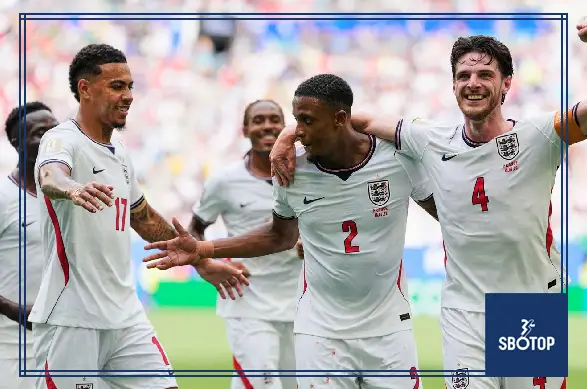
England’s players are expected to return to the United Kingdom on Sunday, July 19, bringing an exhausting and emotionally complicated World Cup campaign to an end. The squad’s journey home follows a spectacular 6-4 victory over France in the third-place play-off, a result that secured England’s best finish at the men’s tournament since winning the trophy in 1966. Reports before the match indicated that the team planned to leave the United States after the bronze-medal fixture and land in Britain on Sunday, although precise public arrival details were not confirmed.
The return will not be the triumphant homecoming England had imagined when Thomas Tuchel’s players departed for North America. Their ambition was to reach the final and end the country’s long wait for another major international trophy. Instead, a painful 2-1 semi-final defeat by Argentina ended that dream before a chaotic victory over France allowed the Three Lions to finish the tournament on a positive note.
England therefore return with bronze medals, several individual records and evidence of genuine progress. They also come back with difficult questions concerning tactical decisions, squad management and their continuing inability to turn promising positions into tournament victories.
A Journey Home Filled with Mixed Emotions
The mood surrounding the squad is likely to be far more complex than the final result alone suggests. Finishing third at a World Cup is a substantial achievement. England had previously lost their third-place play-offs in 1990 and 2018, meaning the victory over France delivered the country’s first bronze medal in the men’s competition. It was also England’s second-best finish in tournament history.
Yet the players had come much closer to the final than the final standings reveal. England led Argentina 1-0 during the second half of the semi-final before conceding twice late in the match. Lionel Messi created both goals as the defending champions recovered to win 2-1 and advance to face Spain.
For a squad that had openly targeted the title, third place could not immediately remove the disappointment. Tuchel acknowledged that competitive players would struggle to celebrate because their original dream had been far greater. He nevertheless expressed hope that, after sufficient time had passed, they would recognise the significance of what they accomplished.
That tension will define England’s return. The players have earned the right to feel proud, but many will also replay the closing stages against Argentina and wonder how close they were to competing for the trophy.
England Ended the Tournament with a Classic
Whatever frustration remained after the semi-final, England did not approach the third-place match as an unwanted obligation.
Tuchel made changes to his starting side, but the Three Lions attacked France from the opening minutes. Declan Rice scored in the third minute before Ezri Konsa doubled the advantage from a Rice corner. Bukayo Saka then struck twice before half-time to give England a remarkable 4-0 lead.
France responded with extraordinary force after the interval. Kylian Mbappé scored twice, while Bradley Barcola also found the net, reducing England’s advantage to 4-3. Saka converted a late penalty to complete his hat-trick, Ousmane Dembélé pulled another goal back and Jude Bellingham finally secured the result deep into stoppage time.
The ten goals established a new record for a World Cup third-place match. It was also the highest-scoring game in the tournament since Hungary defeated El Salvador 10-1 in 1982. A fixture often treated as an afterthought became one of the most memorable matches of the competition.
For England, the victory provided a better final memory than the sight of Argentina celebrating in Atlanta. It demonstrated attacking quality, resilience and a willingness to keep playing even when France’s comeback threatened to erase a four-goal lead.
Saka Returns as One of England’s Leading Figures
Few members of the squad will return with their reputations enhanced as strongly as Bukayo Saka.
His hat-trick against France included two first-half finishes and a pressure penalty in the closing stages. It was his second hat-trick for England and made him only the fourth Englishman to score three goals in a World Cup match.
The performance was especially meaningful after debate over his limited role in the semi-final defeat. England were criticised for becoming too defensive against Argentina, while Saka remained unused despite the team needing a counterattacking outlet during the closing stages.
Against France, he provided a direct reminder of his ability to decide major matches. His movement stretched the defence, his finishing was composed and his willingness to assume responsibility from the penalty spot helped England survive the most dangerous phase of the French comeback.
Saka’s contribution also gave England’s supporters a positive image with which to end the tournament. Rather than returning home after consecutive defeats, the squad could celebrate a senior player producing one of the outstanding individual performances of the knockout rounds.
Bellingham Leaves with a New England Record
Jude Bellingham also completed the campaign with a significant personal achievement.
His stoppage-time goal against France was his seventh of the tournament, the highest total ever recorded by an England player at a single World Cup. Harry Kane had scored six in 2018 and again in 2026, while Gary Lineker scored six in 1986.
Bellingham’s record illustrates his growing importance to the national side. Although he is not a traditional centre-forward, his timing, physical strength and ability to enter scoring positions made him one of England’s primary attacking threats.
He also delivered in the quarter-final against Norway, scoring twice in a 2-1 extra-time victory that carried England into the last four. The official England account of the tournament identified his brace as decisive in Miami.
When the squad return home, discussion will naturally focus on the tactical controversy surrounding the Argentina defeat. Bellingham’s tournament should not be overlooked within that debate. Seven goals from midfield represent a major individual contribution and give England a powerful platform for future competitions.
The Knockout Journey Showed Character
England’s path through the knockout rounds was rarely comfortable.
They defeated the Democratic Republic of Congo 2-1 in the round of 32 before overcoming tournament co-hosts Mexico in a dramatic last-16 match. They then required extra time to beat Norway 2-1 in the quarter-final.
Those results demonstrated an ability to survive difficult situations. England repeatedly found ways to advance despite demanding conditions, travel and opponents prepared to challenge them physically.
The expanded 48-team tournament also required finalists and semi-finalists to play more matches than in previous editions. England’s progress to the bronze-medal game therefore involved an unusually long campaign across several North American cities.
Tuchel described his players as exhausted and emotionally drained after the France match. That assessment was understandable following weeks of competition, repeated travel and two intense fixtures during the final four days of their tournament.
The flight home will provide the first real opportunity for many members of the squad to step away from the tournament environment. Until now, each disappointment had been followed almost immediately by preparation for another match.
The Argentina Defeat Will Dominate the Review
The bronze medal may improve the overall picture, but England’s internal review will inevitably return to the semi-final.
England had successfully limited Argentina for much of the contest and moved ahead in the second half. Tuchel then adopted a more defensive approach as his side attempted to protect the lead.
Argentina gradually took control, with Messi finding greater influence from the right. England could not retain possession or maintain an attacking outlet, and the defending champions eventually turned territorial pressure into two late goals.
The loss generated criticism of Tuchel’s substitutions and England’s retreat. The central issue was not simply that defensive players entered the match. It was that England appeared to surrender their ability to threaten Argentina in return.
That debate will continue after the players separate and return to their clubs. The coaching staff must decide whether the problem was tactical, physical or psychological—or some combination of all three.
England’s response against France suggested they understood the criticism. Reuters reported that the team attacked from the opening whistle, moving the ball forward more directly than they had during the passive final stages of the semi-final.
The six goals were encouraging, but they cannot completely answer the questions raised by Argentina. A third-place match offers a different kind of pressure from a semi-final in which a place in the final is at stake.
Tuchel Returns with Credit and Pressure
Thomas Tuchel’s first World Cup as England manager produced both progress and controversy.
Reaching the semi-finals and then winning the bronze-medal match represents a strong competitive record. England advanced through four knockout fixtures before losing narrowly to the defending champions, then recovered quickly enough to defeat another leading international side.
Tuchel can point to the emergence of new combinations, Bellingham’s record, Saka’s final performance and England’s ability to score against high-level opposition.
At the same time, the manager will return under scrutiny because of the manner in which the Argentina match slipped away. His reputation was built partly on tactical expertise in elite knockout football. Supporters therefore expected his decisions to give England an advantage in precisely that kind of situation.
The task now is to ensure the semi-final becomes a lesson rather than a recurring pattern.
Tuchel said the victory over France could help England close the gap to the world’s strongest teams, even though part of the disappointment would prevent the squad from fully celebrating its medal.
His next phase must involve turning that belief into a clearer identity. England need to know how they intend to defend leads without abandoning possession and how they can use their attacking depth when opponents begin committing players forward.
Returning Players Face a Rapid Transition
Once the squad land in Britain, attention will quickly shift from international football to the domestic season.
Players will require recovery after an unusually long campaign. Some may receive short breaks before reporting to their clubs, while others will need medical assessments for injuries or fatigue accumulated during the tournament.
The physical demands should not be underestimated. England’s final knockout matches included extra time against Norway, a draining semi-final against Argentina and a ten-goal contest against France three days later.
The transition may also be emotionally difficult. International tournaments create intense, closed environments in which the squad live, train and travel together for weeks. Returning home breaks that structure almost immediately.
Some players will leave feeling satisfied with their contributions. Others received limited minutes or missed the opportunity they expected. Those individual experiences will shape how the campaign is remembered within the group.
The coaching staff must remain attentive after the players disperse. Communication between England and the clubs will be important as fitness, recovery and workloads are managed.
Supporters Can Feel Pride Without Ignoring the Problems
England supporters are entitled to view the campaign from two perspectives at once.
Finishing third is an achievement. The team progressed further than almost every other country, defeated several difficult opponents and ended the competition with an extraordinary attacking display.
The result against France was not meaningless. England had failed to win their previous two third-place matches, and the victory secured the country’s best finish for six decades.
It is equally reasonable to feel frustrated. England were leading in a World Cup semi-final and allowed the match to move completely in Argentina’s favour. The opportunity to compete for the trophy was real, not theoretical.
Healthy analysis does not require choosing between celebration and criticism. England can recognise the significance of the bronze medal while examining the decisions that prevented an even greater achievement.
That balance should shape the reception when the squad return. The players deserve appreciation for a demanding tournament and for responding positively after the semi-final defeat. The team also deserves serious scrutiny because its ambitions are now much higher than simply reaching the latter stages.
Also Read: