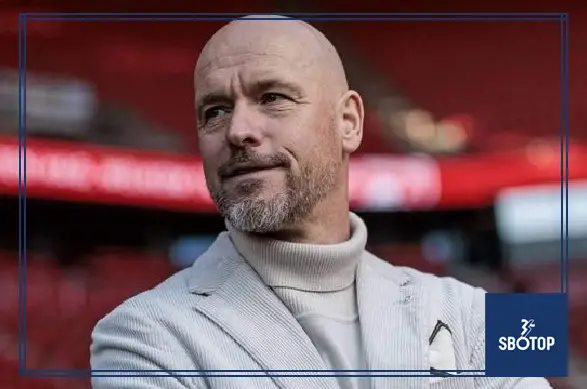
Erik ten Hag’s retrospective account of his Manchester United tenure brings together the contradictions that defined it. There were two domestic trophies, difficult relationships, unsuccessful recruitment ambitions and an ending that arrived only months after his most celebrated victory. His interview offers insight into those tensions, but it also requires a distinction between documented events and his interpretation of private decisions.
The central question is not whether Ten Hag experienced disappointment. It is how responsibility should be distributed between a manager, his players and the executives overseeing the football operation. His account argues that the alignment he believed necessary was never sustained.
That explanation deserves examination without becoming a complete verdict. United’s successes under Ten Hag remain part of the record, as do the performances that weakened his position. The interview adds perspective to that history rather than resolving every argument surrounding it.
The Dispute Over Assurances
Ten Hag says he received commitments concerning support, communication and cooperation when United retained him after the 2024 FA Cup final. He argues that subsequent decisions did not match those assurances.
One example he identifies is Scott McTominay’s departure. According to Ten Hag, he had argued for keeping the midfielder because of his scoring contribution and mentality. His disappointment therefore concerned both the player’s exit and what he regarded as a failure to follow an agreed direction.
Those are Ten Hag’s recollections of internal discussions. The transfer itself is a matter of record; the precise content and interpretation of private commitments remain his account.
Analytically, the episode illustrates why managerial authority must be defined clearly. Consultation, agreement and final decision-making power are different things. When participants understand those boundaries differently, even a completed transfer can become evidence of a deeper breakdown in trust.
Recruitment Was About More Than Individual Names
Ten Hag describes wanting Harry Kane as an established attacking leader and acknowledges that he did not speak directly to the striker about the proposed move. His account establishes his preference, rather than proving that a transfer was available on acceptable terms.
That distinction is essential. A manager identifying a target does not confirm the player’s willingness, the selling club’s conditions or the financial feasibility of a deal.
The broader recruitment argument concerns squad construction. Experienced players can provide immediate output while helping younger teammates navigate demanding situations. However, experience alone does not guarantee suitability, and younger signings cannot fairly be assessed only against the performance of established internationals.
United’s challenge was to connect recruitment with a coherent football plan. Missing one preferred target required a workable alternative, not simply a lasting explanation for why the original ambition remained unrealised.
Kane Represents a Counterfactual
The attraction of imagining Kane at United is obvious. A proven centre-forward can influence scoring, combination play and the decisions defenders make around the penalty area.
Nevertheless, the argument must stop short of claiming that his arrival would have transformed Ten Hag’s tenure. Footballing outcomes depend on many connected factors, including availability, service, defensive stability and the performance of opponents.
A hypothetical signing cannot be assigned goals or trophies in a season he never played. Nor can one proposed transfer explain every subsequent difficulty.
The useful question is what United needed from that position and whether their eventual recruitment addressed those requirements. That shifts the discussion from imagining an alternative history towards evaluating the decisions that actually shaped the squad.
Ronaldo and the Limits of Authority
Ten Hag also revisits his relationship with Cristiano Ronaldo, alleging shortcomings in the forward’s preparation and contribution. Those allegations should remain attributed to the former manager, rather than being presented as independently established findings.
The confirmed outcome is that Ronaldo left United by mutual agreement in November 2022. The club’s announcement brought his second spell to an immediate end.
From a management perspective, the episode raises a familiar problem: how collective requirements apply to an exceptional individual. A coach must recognise a leading player’s strengths while maintaining expectations that remain credible to everyone else.
Yet enforcing standards also involves communication and judgement. Authority is not demonstrated solely through confrontation. Its effectiveness depends on whether players understand their responsibilities and whether decisions help the team function. The relationship’s breakdown should be considered within that wider context.
Private Disagreements Require Careful Attribution
Retrospective interviews can make complex relationships appear more straightforward than they were. One participant has an opportunity to explain decisions, describe frustrations and connect events into a coherent account.
That does not make the account worthless. It does mean readers should distinguish direct experience from interpretation, and interpretation from proof.
A manager may believe a player resisted instructions without knowing every reason for that response. An executive may view a transfer as necessary while the coach sees it as damaging. Both can describe the same event through different responsibilities.
For that reason, broad claims about dressing-room culture require particular caution. They should not become collective judgements about every individual in a squad. The stronger analysis focuses on specific decisions, documented outcomes and the organisational conditions that made disagreements difficult to resolve.
The First Trophy Established Tangible Progress
Ten Hag’s tenure was not without achievement. United won the Carabao Cup in 2023, giving his first season a tangible reward and providing evidence that the team could complete a successful knockout campaign.
Trophies matter because they turn preparation and performance into an outcome that cannot be reduced to perception. They also create shared experiences that can strengthen a squad’s belief.
However, cup success and sustained league development measure different qualities. A team can execute a strong plan in decisive matches while remaining inconsistent over a longer schedule.
That distinction became central to assessing Ten Hag. His achievements deserved recognition, but they did not remove questions about whether United were becoming more reliable. A fair judgement must accommodate both the silverware and the limitations that remained visible between those successes.
Wembley Supplied His Strongest Answer
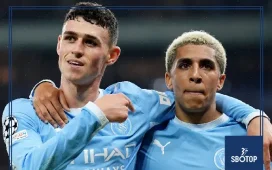
The FA Cup final on May 25, 2024, provided Ten Hag’s most compelling sporting response to criticism. United defeated Manchester City 2-1 through first-half goals from Alejandro Garnacho and Kobbie Mainoo.
Garnacho capitalised on a defensive misunderstanding to open the scoring. Mainoo then completed a well-constructed move, giving United a two-goal advantage before the interval.
City responded after half-time, and Jérémy Doku’s late goal created a tense finish. United nevertheless held their lead to secure the trophy.
The result demonstrated the capacity to prepare and deliver against elite opposition. It was not merely an emotional success: United combined discipline, effective attacking decisions and resilience. Any account that treats Ten Hag’s entire tenure as failure overlooks a significant achievement against a formidable opponent.
One Final Could Not Answer Every Question
Wembley also exposed the difficulty of judging a manager through a single occasion. United’s performance showed what was possible, but possibility is different from repeatability.
The next question was whether the qualities displayed in the final could become a more dependable feature of their football. Could defensive discipline coexist with consistent attacking production? Could effective combinations appear under different types of pressure?
These are analytical questions rather than claims that the final was unrepresentative or accidental. A successful match remains successful even when a team struggles to reproduce it.
For the club’s leadership, the decision involved weighing demonstrated achievement against uncertainty about future performance. For Ten Hag, the trophy strengthened his argument for continuity. Those perspectives could coexist without producing agreement about how much time he should receive.
Retention Needed a Shared Plan
Keeping a manager only becomes meaningful when it is accompanied by a clear understanding of the work ahead. Recruitment priorities, staffing, performance expectations and decision-making responsibilities all require alignment.
This is the organisational issue underlying Ten Hag’s account. If a coach believes he has support for one direction while executives proceed towards another, uncertainty can spread beyond the transfer department.
At the same time, managerial backing cannot mean exemption from review. Clubs must retain the ability to respond when evidence suggests the plan is not working.
The challenge is to establish standards before pressure becomes overwhelming. That makes later decisions easier to explain and reduces the risk that every disagreement becomes a dispute about loyalty. Effective support combines resources and clarity with accountability for the football produced.
His Departure Preserved the Contradictions
United announced Ten Hag’s departure on October 28, 2024. The club acknowledged his two domestic trophies while confirming that a change had been made.
That ending did not erase the Carabao Cup or FA Cup. Equally, those trophies did not prevent the club from deciding that another direction was required.
The interview therefore leaves a legacy with competing elements intact. Ten Hag can point to significant victories and explain where he felt undermined. Critics can question the consistency of his team and the effectiveness of decisions made within his authority.
The most useful reading avoids reducing the story to either vindication or blame. United’s experience under Ten Hag demonstrates how trophies, recruitment, leadership and relationships interact. His account explains why he believes the project failed; the full assessment must also consider what his team achieved, what it could not sustain and why agreement at crucial moments proved so difficult to maintain.
Also Read: