


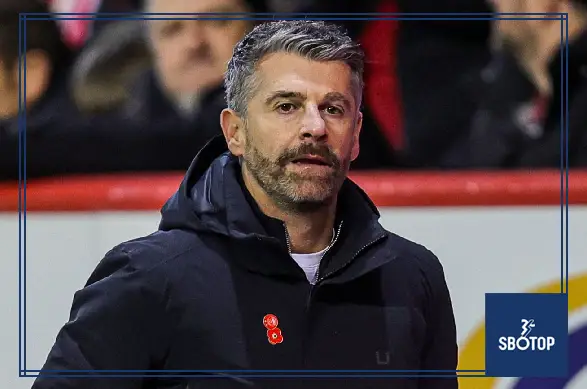
Aberdeen dismissed head coach Stephen Robinson on Monday, 9 November 2026, two days after a 4–0 home defeat by Hibernian left the club 11th in the Scottish Premiership. The board’s decision ended an eight-month spell for the Northern Irishman, who arrived from St Mirren in March on a contract running until the summer of 2029. Assistant head coach Brian Kerr and first-team coach Stephen Craigan also departed.
The Dons had won three of their opening 12 league games and collected 11 points when Robinson left. Stuart Duff took interim charge of first-team training while Aberdeen completed their search for a successor. The club appointed Mario Frick on 15 November, and the former Luzern coach began his tenure six days later with a 4–2 victory away to Kilmarnock.
Hibernian Turned a Tight Scoreline Into a Heavy Defeat
The teams were level at half-time at Pittodrie on Saturday, 7 November. Hibernian broke the deadlock in the 57th minute through Jamie McGrath. For more than 20 minutes after his opener, Aberdeen remained within a goal of levelling the match. Callum Wright doubled the visitors’ lead in the 79th minute, and the game slipped further away in the closing stages.
Nicky Cadden made it 3–0 in the 87th minute before Thibault Klidje added the fourth in the third minute of stoppage time. Hibs scored three times from the 79th minute onwards, turning a match Aberdeen could still have salvaged into their fifth defeat in six league games. Supporters directed their frustration at Robinson as the scoreline widened. For Hibernian, the victory took them off the bottom of the table and above Aberdeen.
Aberdeen recorded 15 shots, but only two were on target. Hibs had six efforts on target from 21 attempts and converted four of them. The home side had opportunities to change the course of the match while it was close. Their lack of accuracy left the visitors ahead, and the three late goals showed how quickly Aberdeen lost their grip once Wright extended the lead.
The Table Added Weight to the Board’s Decision
The defeat left Aberdeen with a record of three wins, two draws and seven losses from 12 Premiership matches. Hibernian were level with them on 11 points but moved into 10th on goal difference. Kilmarnock, who lost 1–0 to Celtic that weekend, sat bottom with nine points. Aberdeen therefore went into the international break just two points clear of their next opponents.
A place in the bottom two carries particular significance in the 12-team Scottish Premiership. The side that finishes 12th goes down automatically, while the club in 11th faces a play-off to stay in the division. Aberdeen still had most of the season to play, but their position made the trip to Rugby Park immediately important. A Kilmarnock win would have taken them above Aberdeen.
The Hibs result came a week after Aberdeen lost 1–0 to Rangers in the League Cup semi-final on 31 October. Reaching Hampden had given Robinson’s team a chance to compete for a trophy. Once that run ended, the poor sequence of league results became the pressing issue. The cup defeat and the collapse against Hibernian came in separate competitions, but together they left Aberdeen entering the break with an early exit from the title race for that cup and little margin near the foot of the league.
Robinson Arrived With a Record of Building Competitive Teams
Aberdeen announced Robinson’s appointment on 12 March 2026. He joined from St Mirren with Kerr, and both signed deals through the summer of 2029. Chairman Dave Cormack highlighted Robinson’s record of building resilient teams and developing young players. At the time, Cormack said the club wanted a clearer identity and a side that would be harder to play against.
Robinson’s work at St Mirren provided grounds for those expectations. He had led the Paisley club to a top-six finish in 2022/23, their first in 36 years, and repeated the achievement in subsequent seasons. St Mirren also returned to European competition through the Conference League qualifying rounds. During the 2025/26 campaign, they beat Celtic to win the Scottish League Cup, giving Robinson a recent trophy before his move to Pittodrie.
He also brought experience from Motherwell, where he had overseen a third-place Premiership finish and reached two domestic cup finals. Aberdeen were appointing someone familiar with the league and with the challenge of keeping a team competitive across domestic competitions. The length of his contract reflected the scope of the job, which included improving results and strengthening the route from the academy into the first team.
Eight months later, Aberdeen were again looking for a head coach. Reaching a cup semi-final gave Robinson’s tenure a high point in the autumn, but the Dons’ league record showed how little room they had gained near the bottom. The board met after the Hibernian defeat and confirmed the departures of Robinson, Kerr and Craigan on the following Monday.
Stuart Duff Bridged the Gap Between Appointments
Aberdeen said preparatory work on recruiting a new head coach had already taken place by the time Robinson’s departure was announced. The club asked Duff to oversee first-team training on an interim basis. Duff was working as talent development manager, giving Aberdeen someone familiar with the club to lead training while the search continued.
The timing gave the club a window to make the appointment. Aberdeen had no league fixture between the Hibernian defeat on 7 November and the trip to Kilmarnock on 21 November. Frick’s appointment was announced six days after Robinson’s dismissal, subject to UK visa formalities. Chief executive Adrian Bevington said he and Lutz Pfannenstiel had led the recruitment process on behalf of the board and had spoken with several candidates.
Frick arrived with Roman Matter as assistant coach. Aberdeen subsequently confirmed Duff as first-team coach and retained Craig Hinchcliffe as goalkeeping coach. Duff’s move gave him a place in the permanent first-team setup after his interim training duties. His experience working with younger players also matched an aim the club had stressed when appointing Robinson in March.
Frick’s First Match Produced an Immediate Response
Frick came to Pittodrie after nearly five years with Luzern. He took over the Swiss club in December 2021 when they were bottom of the Swiss Super League, helped them move away from relegation danger and later guided them to fourth place and European qualification. Before that, he had won promotion to the Swiss top flight with Vaduz. Aberdeen also pointed to his record of giving academy players top-flight debuts.
For his first game in charge, Frick made four changes to the team that had lost to Hibernian. Gavin Molloy, Alexander Briedl, Stuart Armstrong and Ante Palaversa came into the starting side. Aberdeen led 3–1 at half-time at Rugby Park, with Brad Lyons heading in their third after a cross from Nesta Guinness-Walker. Kilmarnock stayed in the contest after the break, but Aberdeen went on to win 4–2.
The result lifted Aberdeen to 14 points from 13 games and left Kilmarnock on nine. The gap between the sides grew from two points to five, while the four goals gave Aberdeen their first league win since before the Hibs defeat. For Frick, the match offered an early view of what his side could do away from home, as well as the defensive work still ahead after conceding twice.
The Next Test Is Sustaining the Improvement
The first match under Frick addressed two of the immediate problems Aberdeen had faced at Pittodrie. The Dons converted enough chances to take control of the scoreline, and when Kilmarnock threatened, they kept enough of a cushion to win. The contrast between the two games was stark on the scoreboard. Aberdeen went from failing to score at home to putting four past the team directly below them.
Sustaining that improvement will require performances against a wider range of opponents. The Hibernian defeat showed the cost of falling behind and then conceding again late. At Rugby Park, Aberdeen demonstrated how much a productive first half could change the demands of the second. Frick’s early work will be judged in part on how the team responds when it has to chase a match as well as how it manages a lead.
Robinson had arrived with a record of lifting clubs into the top half and making them competitive in cups. His departure came with Aberdeen second from bottom, five defeats into a six-game league stretch, and the board ready to change the coaching staff. Frick inherited the same season and many of the same players. His opening win gave Aberdeen breathing room, while the league position that prompted the change explains how much work remains.
Also Read: