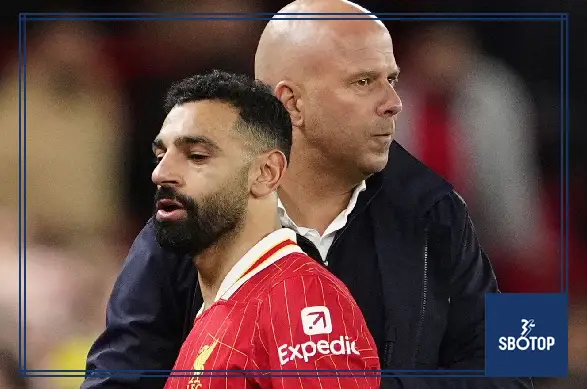
Liverpool legend Jamie Carragher has ignited a storm of debate after branding Mo Salah, the club’s talismanic forward, a “disgrace” following a highly publicized interview that sent shockwaves through the footballing community. Salah, widely admired for his prolific goal-scoring and professionalism, recently spoke candidly about issues within the squad, managerial decisions, and broader footballing matters. While some hailed his honesty, Carragher’s reaction underscores a growing divide over how elite players should express their opinions in the public eye.
This article examines the context of Salah’s interview, Carragher’s fiery response, the broader implications for player-club dynamics, and the intense discussions it has provoked among fans, pundits, and media outlets worldwide.
The Controversial Interview What Salah Said
Mo Salah’s interview, conducted with an international sports media outlet, was described as both “explosive” and “revealing.” Key themes included:
- Team Dynamics and Tactical Decisions
- Salah expressed concerns about rotation policies and tactical instructions, arguing that certain decisions could undermine consistency and affect team morale.
- He emphasized the importance of clear communication between players and coaching staff, suggesting that players sometimes feel excluded from key strategic discussions.
- Fixture Congestion and Player Welfare
- The Egyptian forward highlighted the physical and mental toll of a congested fixture schedule, balancing domestic league games, Champions League matches, and international commitments.
- Salah called for better planning to ensure players’ health and performance are not compromised by excessive travel or compressed schedules.
- Media Pressure
- Salah acknowledged the intense scrutiny from media and fans, criticizing how narratives are often exaggerated or misrepresented.
- He suggested that external pressure can impact confidence and team cohesion, advocating for a more supportive environment.
- Constructive Criticism
- While he raised concerns, Salah framed his comments as constructive, aimed at improving performance and strengthening the squad.
- He avoided personal attacks on management or teammates, positioning himself as an advocate for collective success.
Despite the measured tone, the interview quickly became a focal point for controversy, with some interpreting his remarks as public criticism of Liverpool’s internal operations.
Carragher’s Reaction ‘Disgrace’ Comment Sparks Outrage
Jamie Carragher, who played over 700 games for Liverpool and remains one of the club’s most vocal pundits, reacted with unusually strong language. During a live broadcast, Carragher described Salah’s interview as “a disgrace,” arguing that airing internal team issues publicly undermines trust and cohesion.
Carragher’s Main Arguments
- Professionalism
- Carragher asserted that top players have a responsibility to communicate concerns internally rather than making them public.
- By sharing perceived grievances with the media, Salah risked creating unnecessary distractions for teammates and coaching staff.
- Impact on Team Morale
- Public criticism, even if constructive, can erode confidence within the squad, particularly among younger players or those seeking to maintain unity.
- Responsibility of Star Players
- As one of Liverpool’s most influential figures, Salah’s words carry significant weight. Carragher argued that this influence should be used to support the club, not question internal practices in public.
- Historical Context
- Carragher referenced past examples where public criticism caused disruption, suggesting that even elite players must prioritize team stability over personal expression.
Carragher’s choice of the word “disgrace” shocked many, especially given Salah’s longstanding reputation for professionalism and humility.
Analyzing Carragher’s Criticism
Carragher’s reaction raises several important questions about the expectations placed on elite athletes:
-
Should Star Players Speak Out
High-profile players often have insights into team dynamics, tactics, and morale. Publicly voicing concerns can:
- Promote transparency and accountability
- Highlight systemic issues in club management
- Advocate for player welfare and mental health
However, it also risks creating divisions, undermining authority, and attracting media scrutiny that may distract from performance.
-
Context Matters
Salah’s interview was framed as constructive criticism rather than personal attack. Many argue that Carragher’s response failed to consider the nuance and intent behind his comments.
-
Influence vs. Freedom
Star players wield immense influence over fans, teammates, and media narratives. The balance between using this influence responsibly and maintaining personal freedom of expression is delicate. Carragher’s criticism underscores the tension between authority and autonomy.
Liverpool’s Perspective
The club has remained measured in its response. Sources suggest that Liverpool management views Salah’s comments as part of normal dialogue between players and media, emphasizing that:
- No disciplinary action will be taken.
- Salah remains a key figure in Klopp’s plans, both tactically and in terms of leadership.
- Constructive feedback is welcomed internally, and public statements were not intended to undermine the team.
This response reflects a pragmatic approach, recognizing Salah’s value while mitigating potential fallout from the controversy.
Fan Reactions Divided Opinions
Social media and fan forums revealed a split in opinion:
-
Supporters of Carragher
-
-
- Argued that elite players should maintain discretion and address concerns internally.
- Felt that public criticism, even if constructive, risks destabilizing the squad.
- Viewed Salah’s comments as inappropriate given the team’s ongoing competitive challenges.
-
-
Supporters of Salah
- Praised his honesty and courage in addressing issues that impact performance and well-being.
- Highlighted that raising awareness of player welfare is important in modern football.
- Considered Carragher’s reaction excessive, arguing that public dialogue can coexist with professionalism.
The polarized reactions highlight the challenges faced by players and pundits alike in the modern media environment.
The Role of Media in Amplifying Controversy
Media coverage amplified the debate, with outlets emphasizing terms like “explosive” and “bombshell” when reporting Salah’s comments. While these descriptors generated attention, they also contributed to public perception of conflict.
Key points regarding media influence:
- Headlines often sensationalize nuanced commentary.
- Repetition across platforms reinforces particular narratives.
- The pressure to generate engagement may overshadow balanced reporting.
Salah’s interview illustrates how modern media dynamics can escalate relatively minor internal issues into major controversies.
Professionalism Leadership and Public Expression
Salah’s situation invites broader reflection on professionalism and leadership in football:
- Leadership on the Pitch
- Salah exemplifies performance leadership, scoring goals and influencing games consistently.
- Leadership off the pitch, including communication and media conduct, is increasingly scrutinized.
- Professional Boundaries
- Players must navigate public commentary while respecting team cohesion and managerial authority.
- Salah’s interview tests the boundaries of constructive public feedback.
- Cultural Shifts
- Modern football emphasizes transparency, mental health, and player voice more than ever before.
- Traditionalist views, like Carragher’s, prioritize discretion and internal problem-solving.
The tension between these perspectives reflects an evolving understanding of player responsibility and influence.
Potential Impact on Liverpool
The controversy surrounding Salah’s interview and Carragher’s comments may have short- and long-term implications for Liverpool:
-
Short-Term
-
-
- Increased media scrutiny on Salah and squad dynamics.
- Potential distractions in preparation for upcoming fixtures.
- Opportunities for Klopp to reinforce internal cohesion and clarify expectations.
-
-
Long-Term
- Sparks dialogue on how elite players can express constructive feedback.
- May influence club policies regarding media engagement and player communication.
- Could shape the perception of Salah as either a candid leader or a controversial figure, depending on future actions.
Liverpool’s ability to manage this narrative internally and externally will be critical to maintaining focus on performance objectives.
Lessons for Players and Clubs
Several lessons emerge from this episode:
- Communication Strategy
- Clear guidelines on public statements can prevent misunderstandings.
- Players should be encouraged to communicate concerns constructively both internally and externally.
- Media Training
- Even experienced players benefit from media coaching to navigate complex questions.
- Sensitivity to language and phrasing can reduce the risk of misinterpretation.
- Leadership Balance
- Star players must balance transparency with discretion, considering the impact on teammates and club culture.
- Constructive criticism is most effective when paired with clear intent and respectful delivery.
- Public Perception Management
- Clubs and players must proactively manage narratives to prevent minor issues from escalating.
Also Read: