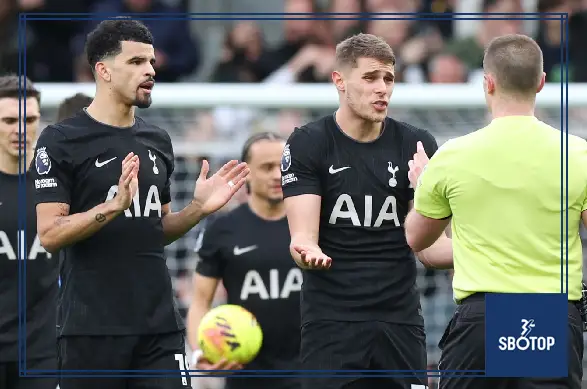
Tottenham Hotspur suffered a 2-1 defeat to Fulham FC at Craven Cottage, extending the struggles under new manager Igor Tudor. The game, which saw a controversial opening goal and contentious conduct from Raul Jimenez, has become a focal point for discussion among fans, pundits, and the media. Tudor openly criticized the goal as “ridiculous” and accused Jimenez of “cheating,” sparking debate over officiating and sportsmanship in the Premier League.
This article explores the match in depth, analyzing Tottenham’s performance, tactical decisions, key moments, Tudor’s post-match criticism, player contributions, and the broader implications for the team and league standings.
Context Tottenham’s Struggles Under Igor Tudor
Tottenham entered the Fulham match facing mounting pressure:
- Winless Start: Tudor’s tenure began with two consecutive league defeats, leaving the squad and fans anxious.
- Defensive Instability: Tottenham’s backline has struggled with coordination, particularly against high-pressing teams.
- Expectations vs Reality: With a talented squad, supporters expected a smoother transition under Tudor.
The clash against Fulham represented both a chance to regain confidence and a test of Tudor’s managerial authority in the Premier League.
Pre-Match Analysis
-
Fulham’s Threats
Even without major star absences, Fulham posed specific challenges:
- Counter-Attacks: Quick breaks and intelligent movement created scoring opportunities.
- Set-Pieces: Efficient delivery and disciplined attacking runs from corners and free-kicks.
- Physical Play: Strong duels in midfield disrupted Tottenham’s rhythm.
-
Tottenham’s Strategy
Tudor emphasized:
- Controlled Possession: Maintain ball control to limit Fulham’s opportunities.
- Wide Play: Use wingers to stretch Fulham’s defensive lines.
- High Press: Attempt to regain possession quickly and force mistakes.
Despite careful planning, the execution fell short, leading to an early setback.
Match Summary
-
First Half
The game began at a high pace, with both teams testing each other’s defenses. Tottenham were immediately on the back foot after Fulham’s opening goal:
- Controversial Opener: Raul Jimenez was involved in the buildup. Tudor criticized the goal as “ridiculous” post-match, claiming that Jimenez engaged in unsporting behavior that went unnoticed by officials.
- Tottenham Response: The team attempted to regain control through midfield possession and probing crosses, but Fulham’s compact defense limited clear-cut chances.
The first half ended with Tottenham trailing 1-0, facing both tactical and psychological challenges.
-
Second Half
In the second half, Tottenham increased intensity:
- Equalizer: Harry Kane scored a crucial goal to level the match, demonstrating his leadership and finishing skills.
- Fulham Regain Lead: A clinical move by the hosts, aided by defensive lapses from Spurs, restored their advantage, ultimately sealing the 2-1 scoreline.
Tottenham’s efforts were insufficient to alter the outcome, despite increased possession and pressing in the latter stages.
Tactical Analysis
-
Tottenham’s Weaknesses
- Defensive Vulnerabilities: Poor communication and positioning allowed Fulham to exploit spaces.
- Predictable Attack: Heavy reliance on Kane limited offensive unpredictability.
- Midfield Struggles: Spurs’ midfield often failed to connect with forwards or maintain possession under pressure.
- Press Resistance Issues: Fulham’s pressing caused turnovers and disrupted Tottenham’s rhythm.
-
Fulham’s Strengths
- Discipline: Maintained compact defensive lines, limiting Tottenham’s penetration.
- Set-Piece Efficiency: Capitalized on lapses, leading to the decisive goal.
- Counter-Attack Threat: Exploited space behind Spurs’ high line.
- Game Management: Controlled tempo and disrupted Tottenham’s attempts to equalize late in the game.
Player Performances
-
Tottenham
-
-
- Harry Kane: Scored the equalizer and led the attacking effort, showing resilience and leadership.
- Pierre-Emile Højbjerg: Attempted to stabilize the midfield but was frequently outmaneuvered by Fulham’s quick transitions.
- Cristian Romero: Strong in duels but exposed during Fulham’s second goal.
-
-
Fulham
- Raul Jimenez: Involved in the controversial opening goal, which sparked Tudor’s criticism.
- Aleksandar Mitrović: Consistently threatened Spurs’ defense and contributed to their attacking dominance.
- Goalkeeper: Made key saves, maintaining Fulham’s advantage despite Tottenham pressure.
Igor Tudor’s Post-Match Criticism
Tudor’s remarks were a major talking point:
- Ridiculous Opening Goal: He described the first goal as “ridiculous,” suggesting it should not have been allowed.
- Accusation Against Jimenez: Tudor accused the striker of “cheating” in the buildup, implying unsporting conduct that escaped the referee’s attention.
- Managerial Perspective: Tudor emphasized the need for fairness and accountability in officiating, raising broader questions about match control and interpretation of rules.
These comments reflect Tudor’s frustration but also highlight tensions surrounding refereeing and player behavior in the Premier League.
Fan and Media Reactions
-
Tottenham Fans
-
-
- Mixed Sentiment: Fans criticized defensive errors and refereeing decisions but applauded individual efforts like Kane’s performance.
- Support for Tudor: Some supporters acknowledged the need for time to implement tactical adjustments under a new manager.
- Debate Over Jimenez: Social media discussions highlighted divided opinions on whether the striker’s conduct was indeed unsporting.
-
-
Media Coverage
- Analysis of Controversy: Commentators debated the legitimacy of Tudor’s criticism and the role of VAR in such situations.
- Focus on Tactical Shortcomings: Many analysts emphasized Spurs’ defensive frailties as a key factor in the loss, beyond the controversial goal.
- Future Outlook: Articles speculated on Tudor’s ability to adapt and turn results around in upcoming fixtures.
Implications for Tottenham
-
League Position
The defeat leaves Tottenham in a precarious early-season position, highlighting the urgency for improvement.
-
Squad Confidence
Consecutive losses and controversial incidents may affect morale, requiring careful management to maintain focus and cohesion.
-
Managerial Pressure
Tudor faces scrutiny regarding tactical decisions, defensive organization, and handling of psychological aspects within the squad.
-
Areas for Improvement
- Defensive Cohesion: Address lapses in marking and positioning.
- Midfield Connectivity: Improve link-up between defensive and attacking units.
- Tactical Adaptability: Enhance in-game adjustments to counter pressing teams.
- Mental Resilience: Develop focus to handle controversial or high-pressure situations.
Lessons from the Match
- Adapting to Adversity: Tottenham’s ability to respond after setbacks remains crucial.
- Importance of Communication: Defensive organization and teamwork are key to avoiding costly errors.
- Managing Controversy: Handling disputes professionally on the field affects team morale.
- Pressing and Transitions: Understanding and countering opponents’ pressing is essential for ball retention and attack.
Tottenham must focus on the next fixtures to recover from early setbacks:
- Tactical Adjustments: Reassess defensive and pressing strategies.
- Player Rotation: Maintain freshness and fitness for key matches.
- Psychological Preparation: Strengthen mental resilience after controversial or challenging games.
- Integration of Key Players: Ensure attacking options are diverse and unpredictable.
Broader Context
- Premier League Challenges: Early-season results can set the tone for momentum and confidence.
- Officiating Controversies: Tudor’s comments underscore ongoing debates about refereeing consistency.
- Squad Depth: Tottenham’s depth and ability to rotate players will be vital in sustaining performance throughout the season.
Expert Analysis
Football pundits highlighted:
- Defensive Vulnerabilities: Spurs need to organize set-piece and counter-attack defense more effectively.
- Impact of Controversy: While Tudor’s criticism was pointed, analysts noted that Tottenham’s structural issues were the main problem.
- Need for Tactical Flexibility: Effective adjustments during matches could prevent repeated losses.
- Player Accountability: Individual performances matter, but collective cohesion remains critical.
Tottenham Hotspur’s 2-1 defeat to Fulham illustrates both the challenges and controversies of the Premier League. The opening goal, labeled “ridiculous” by Igor Tudor, and the accusations against Raul Jimenez have generated widespread discussion. Yet beyond controversy, the match revealed structural weaknesses in Tottenham’s defense, midfield coordination, and tactical execution.
Harry Kane’s equalizer demonstrated resilience, but Spurs ultimately fell short due to lapses in organization and inability to capitalize on opportunities. Tudor’s criticism highlights the psychological pressures of managing a top-tier team while facing contentious incidents.
Moving forward, Tottenham must refine tactical strategies, improve defensive communication, and maintain squad confidence to recover and secure their first league wins under Tudor. The Fulham defeat serves as both a cautionary tale and a learning opportunity for the Red Devils as they aim to stabilize their Premier League campaign.
Also Read: