Football has long been known as the world’s most passionate sport. The emotions, rivalries, and intense competition that unfold during matches often lead to heated exchanges between players, referees, and even coaching staff. However, a new debate has recently emerged about a small but noticeable gesture that has become common on football pitches: players covering their mouths during confrontations. The issue gained international attention after the president of FIFA, Gianni Infantino, suggested that footballers who cover their mouths while arguing on the field should face stricter punishments, potentially even a red card. His comments have sparked widespread discussion across the football world, raising questions about transparency, sportsmanship, and how the modern game should regulate player behavior.
This proposal touches on broader concerns about accountability in football, particularly in an era where high-definition cameras capture nearly every movement during a match. As technology evolves and scrutiny increases, governing bodies are looking for ways to maintain fairness and professionalism on the pitch.
The Gesture That Sparked the Debate
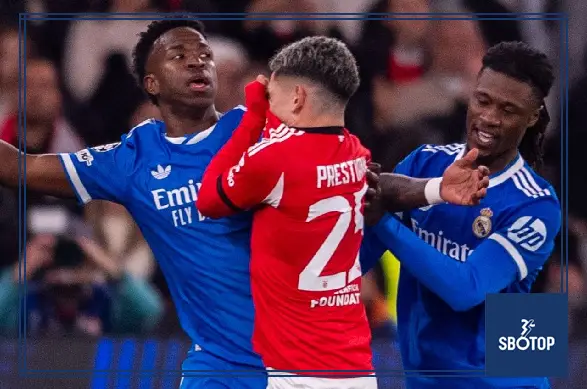
Anyone who watches football regularly has likely seen it happen. Two players argue intensely during a match, and one of them instinctively raises a hand to cover his mouth while speaking. Sometimes this occurs during disputes with teammates, but more often it happens during confrontations with opponents or referees.
Players typically do this to prevent lip readers, cameras, or microphones from capturing what they are saying. In modern football broadcasting, slow-motion replays and close-up camera angles can easily expose conversations that were once private on the pitch.
For many players, covering their mouths is simply a precaution against potential misinterpretation or media controversy. Football is an emotional sport, and players sometimes say things in the heat of the moment that might appear inappropriate when replayed on television.
However, for governing bodies such as FIFA, the gesture has begun to raise concerns about transparency and sportsmanship. If players feel the need to hide their words, some officials argue, it could indicate behavior that goes against the spirit of the game.
Gianni Infantino’s Controversial Proposal
During a recent football governance meeting, Gianni Infantino addressed the issue directly. The FIFA president suggested that players deliberately covering their mouths during heated on-field confrontations might be attempting to conceal abusive language or unsporting conduct.
Infantino argued that football should prioritize openness and respect on the pitch. According to him, actions that appear to hide communication during disputes undermine the integrity of the game.
His suggestion was bold: referees should consider issuing red cards to players who deliberately conceal their speech during arguments.
The proposal has not yet been formally introduced as an official rule, but Infantino’s comments have already triggered strong reactions across the football community.
Why Transparency Matters in Modern Football
The idea of punishing players for covering their mouths is closely linked to football’s growing emphasis on transparency.
In the past, much of what happened on the pitch went unseen or unheard by the public. Television cameras were limited, and match broadcasts did not provide the same level of detail that viewers see today.
Now, technology has transformed football coverage:
- Ultra-high-definition cameras capture facial expressions and gestures.
- Multiple camera angles record every interaction.
- Microphones near the pitch sometimes pick up player conversations.
As a result, football authorities face increasing pressure to ensure that the behavior displayed during matches reflects the values of respect and sportsmanship.
Infantino believes that discouraging players from hiding their speech could help reinforce those values.
Supporters of the Proposal
While controversial, the suggestion has gained support from several former referees and football administrators.
Many argue that covering the mouth during arguments is often a sign that something inappropriate is being said. According to this perspective, discouraging such behavior could reduce instances of:
- Verbal abuse toward referees
- Offensive language directed at opponents
- Personal insults during heated moments
Some former officials also point out that referees already punish abusive language when it is heard clearly. However, when players intentionally hide their speech, it becomes much harder to enforce those rules.
By making the gesture itself punishable, supporters believe the sport could create a stronger deterrent against unsportsmanlike conduct.
Critics Call the Idea Unrealistic
Despite these arguments, many players, coaches, and analysts believe the proposal is unrealistic.
Critics argue that covering one’s mouth is not necessarily an indication of wrongdoing. Football matches are highly emotional environments, and players sometimes wish to communicate privately with teammates or opponents without attracting unnecessary attention.
Some of the main criticisms include:
-
Lack of Clear Evidence
Covering the mouth does not automatically mean a player is saying something inappropriate. Punishing the gesture itself could lead to unfair decisions.
-
Enforcement Challenges
Referees already face immense pressure managing matches. Asking them to monitor mouth-covering gestures could complicate their responsibilities further.
-
Potential for Misinterpretation
Players might cover their mouths simply out of habit or as a natural reaction during intense moments.
-
Risk of Overregulation
Some believe football authorities are already introducing too many rules, making the game overly complicated.
These concerns highlight the difficulty of balancing discipline and practicality in modern football governance.
Player Reactions Across the Football World
Professional footballers have also voiced their opinions on the issue.
Many players argue that covering the mouth is often a defensive measure rather than a sign of misconduct. In the age of social media and instant viral clips, even harmless comments can quickly become controversial when misinterpreted.
For example, a player joking with a teammate could appear aggressive or disrespectful when isolated in a short video clip.
By covering their mouths, players attempt to protect themselves from potential misunderstandings.
Some footballers have also suggested that the gesture helps maintain a level of privacy that once existed naturally on the pitch.
The Role of Media and Technology
The debate also reflects the changing relationship between football and the media.
Modern broadcasts capture almost every moment of a match, from tactical discussions to emotional reactions. While this level of access provides fans with an immersive viewing experience, it also creates new challenges for players and officials.
Television networks often replay heated confrontations repeatedly, sometimes analyzing lip movements to guess what players might have said.
This practice has led many footballers to become more cautious about their on-field behavior.
In this context, covering the mouth has become a protective habit rather than an attempt to conceal wrongdoing.
Historical Context Football’s Evolving Discipline
Football has continuously adapted its rules to promote fairness and respect.
Over the decades, governing bodies have introduced various disciplinary measures, including:
- Yellow and red cards for dangerous tackles
- Penalties for dissent toward referees
- Suspensions for racist or discriminatory language
These rules aim to maintain a respectful environment both on and off the pitch.
Infantino’s proposal can be seen as part of this broader effort to modernize football’s disciplinary framework.
However, critics argue that previous rule changes were based on clear actions rather than gestures that might be open to interpretation.
The Referee’s Perspective
For referees, the proposal raises important questions about practicality.
Match officials already manage multiple responsibilities during a game, including:
- Enforcing the laws of the game
- Monitoring player conduct
- Maintaining control over emotional situations
Introducing penalties for mouth-covering gestures could make their job even more complex.
Some referees have suggested that the focus should remain on punishing clearly abusive language rather than gestures that may or may not indicate misconduct.
Possible Alternatives to the Proposal
Instead of implementing automatic red cards, some experts have suggested alternative approaches.
One idea is to strengthen post-match disciplinary reviews. If evidence shows that a player used abusive language, governing bodies could impose fines or suspensions after the match.
Another approach could involve educational campaigns encouraging players to maintain respectful communication during games.
These methods might address concerns about sportsmanship without creating additional burdens for referees.
What Happens Next
At this stage, Infantino’s comments represent a proposal rather than an official rule change. Any modification to football’s laws would require approval from organizations such as the International Football Association Board, the body responsible for determining the rules of the game.
If the idea gains support, it could eventually be tested in youth competitions or experimental tournaments before being introduced at the highest level.
However, given the strong reactions from players and fans, it is likely that the proposal will undergo extensive debate before any formal decision is made.
The Broader Question of Respect in Football
Beyond the specific gesture of covering one’s mouth, the discussion highlights a larger issue in modern football: maintaining respect and professionalism in a highly competitive environment.
Football is watched by billions of fans worldwide, including millions of young players who look up to professionals as role models.
Ensuring that behavior on the pitch reflects positive values is therefore a key priority for governing bodies.
At the same time, football must preserve the passion and spontaneity that make the sport so exciting.
Finding the right balance between discipline and authenticity remains one of the game’s greatest challenges.
Also Read: