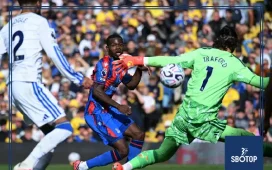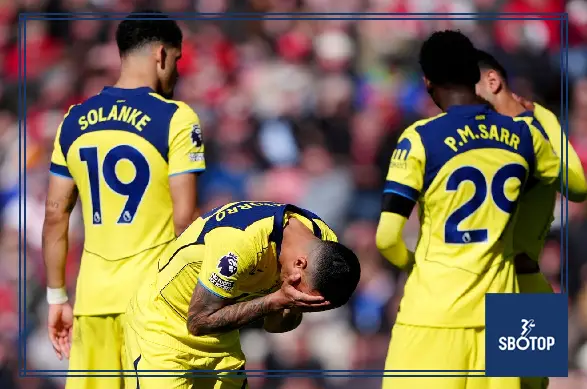
It was a night filled with tension, expectation, and shifting narratives at the Stadium of Light as Sunderland produced a disciplined and determined performance to defeat Tottenham Hotspur 1-0. The result marked a difficult beginning for new Spurs manager Roberto De Zerbi, whose first match in charge ended in frustration as his side struggled to break down a compact and well-organised Sunderland team.
For Tottenham, the defeat was more than just three points lost. It deepened concerns about form, confidence, and direction as they edged closer to a dangerous position in the table. For Sunderland, however, it was a statement victory—one built on structure, resilience, and a decisive moment of quality.
A Charged Atmosphere at the Stadium of Light
From the opening whistle, the atmosphere inside the Stadium of Light reflected the importance of the occasion. Sunderland supporters created a loud and passionate environment, fully aware that their team was facing one of the league’s most recognisable clubs.
Tottenham, meanwhile, entered the match under the spotlight of a managerial transition. The arrival of De Zerbi brought anticipation, but also uncertainty. His reputation for possession-based, progressive football had raised expectations, but implementing a new system takes time.
The early exchanges reflected that transitional phase.
Sunderland began with intensity and aggression, pressing high and refusing to allow Spurs time to settle. Tottenham, in contrast, attempted to build from the back, circulating possession patiently but without clear penetration.
De Zerbi’s First Tactical Imprint
Even in defeat, there were early signs of Roberto De Zerbi influence on Tottenham’s structure. The team attempted to play out from deep positions, using short passing combinations to progress through midfield.
However, Sunderland’s pressing disrupted rhythm. The home side pressed intelligently, cutting passing lanes and forcing Spurs into rushed decisions.
Tottenham’s defenders often found themselves under pressure, unable to establish consistent build-up play. While the intent was clear, execution lacked fluidity.
This mismatch between philosophy and adaptation defined much of the first half.
Sunderland’s Structured Approach Pays Off
Sunderland’s game plan was clear: stay compact, press selectively, and exploit transitions.
Their defensive shape was disciplined, with midfielders tracking back to close spaces between the lines. Tottenham struggled to find gaps through the center of the pitch, forcing them wide where Sunderland remained well-organised.
When possession was regained, Sunderland transitioned quickly. Their attacking moves were direct, purposeful, and designed to exploit Spurs’ advanced positioning.
This approach created several early warning signs for the visitors.
The Decisive Moment
The breakthrough came after sustained Sunderland pressure. A turnover in midfield allowed the home side to launch a quick attacking sequence that caught Tottenham’s defensive line slightly out of position.
The finish was clinical. One moment of hesitation from Spurs was enough to decide the match.
The Stadium of Light erupted as Sunderland took a 1-0 lead.
For Tottenham, it was a setback that exposed both defensive fragility and transitional vulnerability.
Tottenham’s Struggles in the Final Third
Despite enjoying long spells of possession, Tottenham struggled to convert control into meaningful chances.
Sunderland’s compact defensive structure forced Spurs into sideways passing and long-range attempts. There was little space between the lines, and attacking combinations often broke down in the final third.
Even when Spurs managed to enter dangerous areas, their final decision-making lacked sharpness. Crosses were overhit, passes were intercepted, and shooting opportunities were limited.
The frustration began to grow visibly among Tottenham players.
Sunderland’s Defensive Discipline
One of the standout features of Sunderland’s performance was their defensive discipline. Every player understood their role, and collective effort ensured that Tottenham’s attacking threats were contained.
The back line remained compact, while midfielders dropped in to provide additional cover. Full-backs were cautious in their positioning, prioritising structure over risk.
This organization frustrated Spurs throughout the match and limited their ability to build momentum.
De Zerbi’s Midfield Experimentation
As the match progressed, De Zerbi attempted to adjust Tottenham’s midfield structure. He encouraged more fluid movement, with players rotating positions to create passing angles.
However, Sunderland’s pressing intensity made it difficult for Spurs to implement these changes effectively. The midfield battle remained heavily contested, with little space for creative expression.
Tottenham’s attempts to dominate possession were consistently disrupted by Sunderland’s aggressive and coordinated pressing.
Transition Play Decides the Match
The key difference between the two sides was transition efficiency.
Sunderland were direct and purposeful when moving forward, while Tottenham struggled to defend quickly after losing possession.
This imbalance created repeated moments of danger for Spurs, particularly in the spaces left behind their advanced full-backs.
Sunderland exploited these gaps intelligently, without overcomplicating their attacking play.
Second-Half Pressure from Tottenham
After the break, Tottenham increased their intensity. They pushed higher up the pitch, committing more players forward in search of an equaliser.
There were moments where Spurs appeared more threatening, particularly through wide areas. However, Sunderland’s defensive structure remained intact.
Every attacking surge was met with disciplined resistance.
The visitors’ frustration grew as time passed without a breakthrough.
Sunderland’s Game Management
As the match entered its final stages, Sunderland demonstrated strong game management.
They slowed the tempo when needed, retained possession in safe areas, and avoided unnecessary risks. Substitutions were used effectively to maintain energy and defensive stability.
This maturity ensured that Tottenham were unable to build sustained pressure in the closing minutes.
The home side showed composure beyond their years in handling the situation.
Spurs’ Late Push Falls Short
In the final minutes, Tottenham threw everything forward. Crosses into the box, long-range shots, and desperate attacking moves tested Sunderland’s resolve.
However, the home side held firm.
Defenders blocked shots, midfielders tracked runners, and the goalkeeper remained composed under pressure.
Despite increased urgency, Spurs could not find the equaliser.
Full-Time A Difficult Start for De Zerbi
The final whistle confirmed a 1-0 defeat for Tottenham Hotspur. For Roberto De Zerbi, it was a challenging start to his tenure, highlighting the scale of the task ahead.
While there were glimpses of his tactical philosophy, the team struggled to adapt fully in a competitive environment.
Sunderland, meanwhile, celebrated a hard-earned and tactically disciplined victory.
Key Factors Behind Sunderland’s Win
Several elements defined Sunderland’s success:
- Compact and disciplined defensive structure
- Effective pressing in midfield areas
- Clinical execution in transition
- Strong game management after scoring
- Collective defensive commitment
These factors combined to neutralize Tottenham’s possession advantage.
Lessons for Tottenham Hotspur
For Spurs, the match highlighted several urgent areas for improvement:
- Lack of creativity in the final third
- Difficulty breaking down compact defensive blocks
- Defensive vulnerability in transitions
- Need for quicker adaptation to tactical systems
- Inefficiency in converting possession into chances
The foundation of De Zerbi’s system will take time to build, but immediate results remain essential.
The Bigger Picture Pressure and Transition
This match represents a broader theme in football: the difficulty of implementing new tactical systems under pressure.
De Zerbi’s philosophy is well-regarded, but it requires time, training, and squad adaptation.
Tottenham now face the challenge of balancing long-term development with immediate survival concerns.
Sunderland’s Confidence Boost
For Sunderland, this victory is more than just three points. It reinforces belief, strengthens morale, and demonstrates their ability to compete against top opposition.
Performances like this can become season-defining moments, especially in tightly contested leagues.
Also Read: