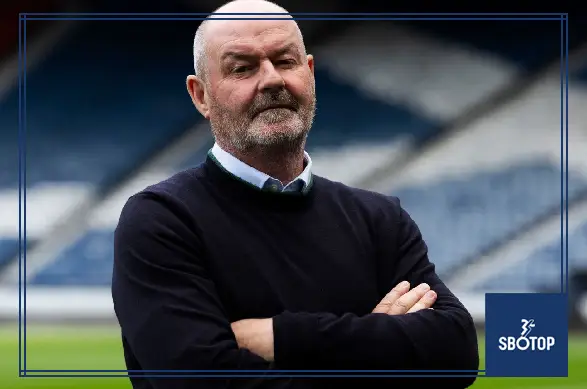
The decision to extend Steve Clarke’s contract through the 2030 FIFA World Cup represents far more than a routine managerial renewal. For the Scotland national football team, it signals continuity, belief, and a long-term commitment to the man widely credited with transforming the national side’s modern identity.
Over recent years, Clarke has guided Scotland through one of the most significant footballing revivals in the country’s modern history. Under his leadership, the national team has rediscovered competitiveness, tactical discipline, and confidence on the international stage.
The contract extension reflects trust from the Scottish Football Association and growing belief among supporters that Scotland are building something sustainable rather than experiencing a short-lived resurgence.
For Clarke himself, the agreement represents an opportunity to continue shaping a generation determined to establish Scotland as a consistently respected force in international football.
The Transformation of Scotland Under Steve Clarke
When Steve Clarke first took charge of the Scotland national football team, expectations were cautious.
Scotland had spent years struggling to qualify consistently for major tournaments, often falling short in crucial qualification campaigns despite possessing talented players.
The national team lacked:
- Tactical consistency
- Defensive organization
- Collective confidence
- Emotional resilience in decisive matches
Clarke’s arrival gradually changed the atmosphere surrounding the squad.
Rather than chasing unrealistic stylistic ideals, he built a team around discipline, structure, and unity.
That foundation ultimately transformed Scotland into a far more competitive international side.
Ending Scotland’s Long Tournament Absence
One of Clarke’s most important achievements came when he guided Scotland back to a major tournament after a lengthy absence.
Qualification carried enormous emotional significance for supporters who had endured years of disappointment and near misses.
The achievement restored belief across Scottish football and demonstrated that the national team could once again compete on major stages.
More importantly, qualification helped create a winning mentality within the squad.
Players began approaching international football with greater confidence and ambition.
Why Stability Matters in International Football
International football differs greatly from club football.
Managers work with players only during short international windows, making long-term continuity especially valuable.
By extending Clarke’s contract through 2030, Scotland are prioritizing:
- Tactical continuity
- Squad development stability
- Long-term planning
- Consistent football philosophy
Frequent managerial changes often disrupt international projects because players require time to fully absorb tactical systems and build chemistry.
Scotland’s decision suggests recognition that sustainable progress depends heavily on continuity.
Clarke’s Tactical Identity
One reason for Scotland’s improvement under Clarke has been tactical clarity.
The national team now plays with:
- Defensive organization
- Compact midfield structure
- Intelligent transitions
- Tactical flexibility
Rather than attempting to imitate larger football nations, Clarke developed a system suited to Scotland’s strengths.
This pragmatic but effective approach helped the squad become more competitive against technically superior opponents.
Players understand their roles clearly, and the team rarely appears tactically disorganized.
The Emotional Connection With Supporters
Another major achievement for Clarke has been rebuilding the emotional connection between the national team and supporters.
For years, frustration and disappointment created skepticism around Scotland’s international future.
Recent progress has changed that atmosphere significantly.
Fans now see a team that reflects:
- Commitment
- Discipline
- National pride
- Competitive spirit
These qualities matter enormously in international football where emotional connection often defines national identity.
Clarke’s calm leadership style has also helped create greater stability around the squad.
Scotland’s New Generation of Talent
Clarke’s extended contract also aligns with the emergence of an exciting generation of Scottish players.
Several individuals have become key figures in top-level European football, giving Scotland greater depth and quality than in previous eras.
The national team now benefits from players competing regularly in:
- Premier League football
- European competitions
- High-intensity tactical systems
This experience has strengthened Scotland’s competitiveness internationally.
Clarke’s challenge moving forward will involve integrating younger players while maintaining the squad’s tactical discipline and emotional unity.
Building Toward the 2030 World Cup
The decision to keep Clarke through the 2030 FIFA World Cup reflects long-term ambition rather than short-term survival.
Scotland are no longer thinking solely about qualification—they are thinking about sustained relevance in international football.
The coming years will involve:
- Squad evolution
- Tactical refinement
- Youth integration
- Maintaining qualification consistency
The 2030 World Cup now becomes a symbolic long-term target around which the national project can develop.
Clarke’s Leadership Style
One of Clarke’s biggest strengths has been his calm and measured leadership approach.
Unlike more emotional or confrontational managers, he projects stability and clarity.
This leadership style has helped Scotland during difficult moments, particularly in high-pressure qualification matches.
Players consistently describe the environment under Clarke as:
- Focused
- Structured
- Honest
- Supportive
These details matter enormously in international football where unity often determines success.
Scotland’s Defensive Improvement
A major part of Scotland’s progress has been improved defensive structure.
Before Clarke’s arrival, the national team frequently struggled with defensive organization against stronger opposition.
Under his management, Scotland became:
- More compact defensively
- Better organized in transitions
- Harder to break down
- More disciplined without possession
This defensive foundation allowed the team to compete more effectively against technically superior nations.
Why International Experience Matters
Keeping Clarke until 2030 also preserves valuable tournament and qualification experience.
International football requires managers capable of handling:
- Limited preparation time
- High-pressure qualification campaigns
- Emotional tournament environments
- Tactical adaptation against diverse opponents
Clarke now possesses deep understanding of Scotland’s player pool and international challenges.
Replacing that experience would carry significant risk.
The Importance of Mentality
Perhaps Clarke’s greatest contribution has been changing Scotland’s mentality.
For many years, Scottish football carried emotional scars from repeated qualification disappointments.
Under Clarke, the squad developed:
- Greater belief under pressure
- Improved emotional resilience
- Stronger collective identity
Scotland now enter major matches expecting to compete rather than hoping merely to survive.
That psychological shift may be Clarke’s most important legacy.
Challenges Still Ahead
Despite recent progress, Scotland still face major challenges moving forward.
International football continues becoming increasingly competitive, particularly in Europe.
Scotland must continue improving in areas such as:
- Squad depth
- Attacking creativity
- Consistency against elite opponents
- Managing generational transition
The contract extension provides stability, but long-term success still requires continued evolution.
Scotland’s Growing Reputation
Recent performances have gradually improved Scotland’s reputation internationally.
Opponents now recognize Scotland as:
- Tactically disciplined
- Difficult to break down
- Emotionally resilient
- Dangerous in tournament football
This respect matters psychologically because it changes how opponents approach matches against Scotland.
The national team no longer feels like an outsider hoping for miracles.
Clarke’s Relationship With Players
Another key factor behind Clarke’s success involves player trust.
International managers depend heavily on maintaining strong relationships because they have limited time to influence players directly.
Clarke’s communication style appears highly effective in creating:
- Tactical clarity
- Personal accountability
- Squad unity
Players consistently perform with visible commitment under his leadership.
That emotional buy-in is essential in tournament football.
The Legacy Clarke Could Build
If Scotland continue progressing through the 2030 World Cup cycle, Clarke could become one of the most influential figures in modern Scottish football history.
His legacy already includes:
- Ending long tournament absences
- Restoring national belief
- Creating tactical identity
- Rebuilding competitiveness
Future achievements could elevate his status even further.
Longevity in international football is rare, making this contract extension especially significant.
The Global Evolution of International Football
Clarke’s extension also reflects broader changes in international football management.
Many successful national teams now prioritize:
- Long-term continuity
- Tactical stability
- Incremental development
Rather than changing direction after every disappointment, federations increasingly recognize the value of sustained projects.
Scotland’s decision fits this modern trend.
What Supporters Expect Next
With the excitement of recent qualification campaigns, expectations among Scottish supporters have naturally increased.
Fans now hope to see Scotland:
- Qualify consistently for major tournaments
- Compete more effectively in knockout football
- Continue developing younger talent
- Establish lasting international credibility
The extension creates optimism, but it also increases pressure to maintain progress.
Also Read:
- SBOTOP: Ivan Perisic Opens Up on Croatia’s Winning Mentality National Pride and Renewed England Rivalry at the World Cup
- SBOTOP: Andrea Pirlo Explains Modern Football Evolution as Italy Legend Praises PSG’s Speed-Driven Revolution
- SBOTOP: Manchester United Edge Closer to Midfield Reinforcement as Ederson Nears Atalanta Exit