Egypt’s World Cup journey ended in heartbreak, but the final whistle against Argentina did not close the story quietly. Instead, it opened a new controversy as the Egyptian Football Association strongly criticized the officiating decisions that shaped their dramatic 3-2 defeat in the Round of 16. For Egypt, this was not simply a painful elimination. It was a match they felt slipped away under circumstances that demanded a public response.
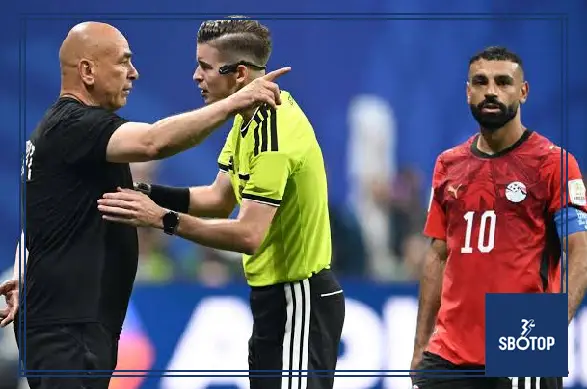
The Egyptian FA’s anger came after a tense and emotional knockout tie in which Egypt had led Argentina before the reigning champions fought back. The match featured disallowed goals, penalty appeals, VAR debate, and a late Argentina winner that turned Egyptian frustration into outrage. According to reports, Egypt questioned the fairness and consistency of referee François Letexier’s decisions, while also raising concerns over how VAR was applied during key moments.
For a team that had fought hard to reach the knockout stage, the ending was especially bitter. Egypt did not leave the tournament feeling simply beaten by a stronger opponent. They left feeling that the game had been influenced by decisions they believed went against them at critical times. That sense of injustice is what drove the FA’s sharp response and turned their exit into one of the tournament’s most debated refereeing controversies.
A Defeat Filled with Drama
The match itself had everything a World Cup knockout tie could offer: momentum swings, emotion, star power, late drama, and controversy. Egypt started with belief and aggression, refusing to sit back against one of the biggest names in world football. Yasser Ibrahim reportedly gave Egypt the lead, and Mostafa Ziko later made it 2-0 after having an earlier effort ruled out because of a foul in the buildup.
For a while, Egypt appeared to be on the edge of a famous result. A two-goal lead against Argentina in a World Cup knockout match would have represented one of the most memorable moments in Egyptian football history. It would not only have been a victory over a giant, but a statement that Egypt could compete with the best under the most intense pressure.
Argentina, however, responded with the authority of a team used to surviving chaos. Cristian Romero and Lionel Messi were reported as the scorers who pulled Argentina back level, before Enzo Fernández struck the decisive late goal. That winner arrived after Egypt had appealed for a penalty following a challenge by Julián Álvarez on Mohamed Salah, a moment that became central to the post-match anger.
From Argentina’s point of view, it was another demonstration of their resilience. From Egypt’s point of view, it became a match defined by what they believed were missed or mishandled decisions.
Egypt’s Anger Was About More Than One Call
When a team loses a World Cup knockout match, emotions naturally run high. Players, coaches, and supporters often replay every chance and every decision. But Egypt’s response went beyond ordinary disappointment. The Egyptian FA reportedly submitted a formal complaint to FIFA, with concerns focused on refereeing decisions during the Argentina match.
The issue was not only one isolated incident. Egypt’s frustration appeared to be built around a pattern of decisions they believed damaged their chances. The disallowed goal, the penalty claims, the VAR process, and the late sequence before Argentina’s winner all became part of a wider argument about fairness and consistency.
This is why the FA’s statement carried such force. They were not merely expressing sadness after elimination. They were defending the team’s position, protecting the players from the feeling that their efforts had been unfairly wasted, and demanding that the authorities take the controversy seriously.
In major tournaments, national associations often feel a responsibility to speak when they believe their teams have been wronged. Silence can be interpreted as acceptance. For Egypt, remaining quiet after such a painful defeat was clearly not an option.
The VAR Debate Returns
VAR was introduced to reduce clear mistakes, but it has not removed controversy from football. In fact, in high-stakes matches, VAR often becomes part of the controversy itself. Supporters and teams no longer ask only whether the referee saw an incident. They ask why VAR intervened in one moment but not another, why replays were interpreted a certain way, and why decisions still appear inconsistent.
Egypt’s complaint reportedly included concerns about VAR’s role and its application during the defeat to Argentina. The Egyptian FA questioned whether the technology had been used fairly in decisive moments, while FIFA was reported to have stood by the decisions made by the match officials.
This highlights one of football’s biggest modern tensions. VAR can provide more information, but it cannot completely remove interpretation. A foul in the buildup, a penalty challenge, hand contact, offside positioning, and levels of physical contact can still be judged differently depending on the officials involved. That gap between technology and interpretation is where controversy continues to live.
For Egypt, the pain came from believing that the technology did not protect them when it mattered most. For FIFA and refereeing authorities, the challenge is maintaining confidence in the process when teams feel the outcome has been shaped by disputed calls.
Hossam Hassan’s Frustration
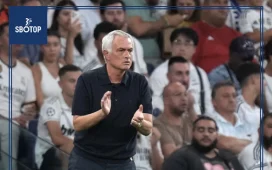
Egypt head coach Hossam Hassan did not hide his anger after the defeat. Reports said he criticized the officiating and described it as unfair, while also making strong comments about the direction of the match and the treatment of Argentina as reigning champions.
For a coach, such comments usually reflect more than emotional reaction. They reflect the pressure of managing a team through a moment of historic opportunity. Hassan had seen his players compete, lead, and come close to eliminating one of the tournament’s biggest sides. To then lose in a match full of disputed decisions naturally created frustration.
Coaches are judged by results, but they also see the effort behind those results. They watch players sacrifice, train, and emotionally invest in a tournament. When they believe that work has been damaged by refereeing decisions, their anger is often shaped by a sense of protection. Hassan’s criticism was not only about the scoreboard. It was about defending his team’s performance.
Whether neutral observers agree with Egypt’s complaints or not, it is easy to understand why the reaction was intense. World Cup knockout matches are not easily forgotten. A controversial decision at this stage can become part of a country’s football memory for years.
Argentina Survived, Egypt Wondered What Might Have Been
Argentina advanced, and that is the only fact that matters in the tournament bracket. Knockout football is ruthless. The team that finds a way through continues, while the other is left with regret. Argentina’s comeback showed their experience, quality, and ability to stay alive even when the match seemed to be slipping away.
But Egypt will look back and wonder how different the story might have been. What if the disallowed goal had stood? What if a penalty had been awarded? What if one decision had gone the other way? These questions are painful because they cannot be answered. They will remain part of the emotional aftermath.
That is the hardest part of controversial exits. A straightforward defeat can be processed with disappointment. A controversial defeat lingers. It creates debate, anger, and a feeling of unfinished business. Egypt were not simply beaten and sent home. They were sent home with arguments still burning.
For the players, that can be especially difficult. Footballers know they must accept results, but accepting a result does not mean they stop feeling wronged. The Egyptian squad will likely carry both pride and frustration from this campaign.
Egypt Still Made History
Amid the controversy, Egypt should not lose sight of what they achieved. Reports noted that Egypt celebrated important milestones during the tournament, including a first World Cup win and progress beyond the group stage.
Those achievements matter. They show growth, resilience, and belief. Egypt’s campaign was not defined only by the Argentina defeat, even if the exit will dominate headlines. Reaching the knockout stage and pushing Argentina into a dramatic fight proved that Egypt belonged on the stage.
That may be the most important long-term takeaway. The frustration with refereeing decisions is real, but so is the evidence that Egypt can compete. The team showed character, attacking courage, and emotional strength. They gave their supporters moments of pride and showed future generations that deep tournament runs are possible.
Still, pride does not erase pain. In fact, it can make the pain stronger. Egypt knew they had played well enough to dream, which is why the controversial ending cut so deeply.
Also Read: