Manchester City left Anfield with a 3-0 victory, six wins from six Premier League matches and a powerful demonstration of their ability to perform under pressure. They also left with the controversy surrounding their financial case unresolved.
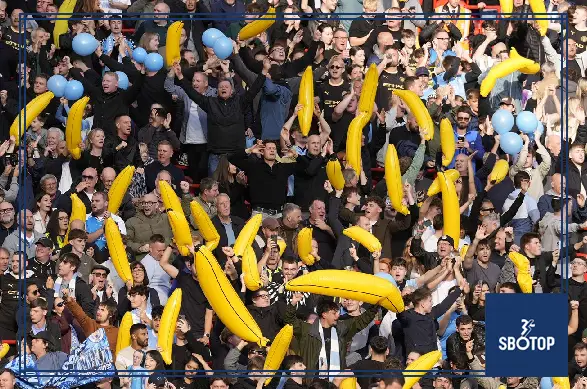
The meeting on Sunday, 11 October 2026, was City’s first match following an independent commission’s findings against the club over breaches of Premier League rules. Liverpool supporters expressed their anger through boos, chants and banners, while the visiting fans responded with conspicuous defiance.
On the pitch, second-half goals from Erling Haaland, Jeremy Doku and Rayan Cherki secured the points after Ryan Gravenberch’s dismissal changed the contest. Away from it, the result settled none of the questions raised by the ruling or City’s appeal.
An Occasion Shaped Before Kick-Off
Liverpool against Manchester City already carries considerable sporting history. This encounter added another layer, with supporters reacting to findings concerning the financial conduct of a club that had repeatedly finished above their own.
The hostility was evident before the match began. City’s players were booed during preparations, and banners challenged the legitimacy of the club’s achievements.
Those reactions represented supporters’ judgments. They were neither formal sanctions nor a substitute for the disciplinary process.
That distinction was central to understanding the afternoon. Anfield could make its feelings unmistakable, but it could not decide the appeal, determine a punishment or alter previous league tables.
The match therefore unfolded in two connected settings: a fiercely contested football fixture and a public expression of anger about the governance of the competition.
What the Ruling Established
The independent commission found City responsible for serious financial-rule breaches concerning the period from 2009 to 2018. Reporting on the findings stated that 114 of the 115 charges had been upheld. City denied wrongdoing and challenged the decision through an appeal. At the time of the Anfield match, the disciplinary findings did not amount to a completed process with a final, implemented sanction.
It would therefore be inaccurate to treat every possible consequence as already decided. Claims about automatic relegation, removed championships or reassigned trophies went beyond what had been confirmed.
Equally, the existence of an appeal did not erase the commission’s findings. Both facts belonged in the account: a ruling had been issued, and the club was contesting it.
The uncertainty concerned what would follow, rather than whether the commission had reached a decision.
Why Liverpool Supporters Felt Personally Involved
Liverpool finished runners-up to City in 2014, 2019 and 2022. Those seasons help explain why the case carried particular emotional force at Anfield.
For supporters, league campaigns are remembered through individual moments: a missed opportunity, a late winner elsewhere or a narrow margin in the final standings. A regulatory ruling can change how those memories are discussed.
However, emotional reassessment and official historical revision are different matters. A supporter’s belief that a title was unfairly lost does not itself establish what an appropriate remedy would be.
The crowd’s reaction was understandable as an expression of grievance. Its significance lay in showing how deeply the case had entered the rivalry.
For many in the stadium, this was not an abstract dispute about accounting. It touched their understanding of competitions they had followed intensely.
Liverpool Began With Purpose
The atmosphere did not immediately overwhelm City, but Liverpool supplied enough energy to make the opening exchanges uncomfortable.
The home side started brightly, competing aggressively and looking to turn the crowd’s intensity into pressure. City gradually found greater composure, although the match remained goalless at half-time.
Liverpool threatened again after the interval. Gianluigi Donnarumma had to intervene as the hosts attempted to convert a promising period into an opening goal.
That phase matters when interpreting the final score. A 3-0 result can suggest a match controlled comfortably from beginning to end. This contest developed differently.
City needed to withstand pressure before they established their decisive advantage. Their eventual ruthlessness should be recognised alongside the moments when defensive work and goalkeeping kept the match level.
Gravenberch’s Dismissal Changed the Balance
The pivotal incident arrived in the 62nd minute, when Gravenberch received a second yellow card following a challenge on substitute Doku.
The decision attracted criticism, with observers questioning whether the challenge warranted another booking. What was confirmed was its consequence: Liverpool had to continue with ten players.
City scored less than three minutes later, dramatically reducing the time available for the hosts to reorganise.
Losing a midfielder can affect several areas simultaneously. Passing options diminish, defensive coverage changes and teammates must decide which spaces to leave unattended.
Those are general tactical consequences, rather than proof of precisely what Liverpool intended after the dismissal. Nevertheless, the timing made their task especially difficult.
They were adjusting to the numerical disadvantage when City delivered the first decisive blow.
Haaland Opens the Door
Haaland put City ahead in the 65th minute, finishing first time after Doku’s attempt was deflected into his path.
The goal rewarded an immediate response to a loose ball. Even when an initial attempt does not reach its intended destination, an attack remains dangerous if another forward is positioned to react.
For Liverpool, conceding so soon after the red card compounded the disruption. They now needed to pursue an equaliser while also compensating for a missing player.
City, meanwhile, could make different choices. An advantage on the scoreboard allowed them to circulate possession patiently and wait for further openings.
The first goal did not end the contest, but it substantially changed its demands. Liverpool needed greater attacking risk just as their resources for protecting against that risk had been reduced.
Doku Provides the Acceleration
Doku doubled City’s lead in the 68th minute with a curling finish. His impact extended beyond that goal: his direct running had already contributed to the incident that produced Gravenberch’s second booking and the attack for the opener.
Introducing a player willing to challenge defenders individually can alter the rhythm of a match. It forces opponents to make immediate decisions about support, positioning and tackling.
Against ten players, those decisions become more difficult because covering one area can expose another.
Doku exploited the changed conditions effectively. That does not make the numerical advantage irrelevant, nor does the advantage diminish the quality required to finish.
City’s success came from using the opportunity decisively. Liverpool’s dismissal created favourable circumstances; the visitors still had to turn them into goals.
Cherki Completes a Controlled Finish
Cherki added the third in the 78th minute after a move containing 41 passes.
The contrast with City’s opening goal was striking. Haaland had capitalised quickly on a deflection, while Cherki finished a prolonged sequence of possession.
That variety illustrated how the visitors could threaten in different ways once the match opened in their favour. They could react sharply around the penalty area or retain the ball until another opportunity emerged.
For Liverpool, chasing such extended possession with ten players increased the physical and organisational burden.
Still, the passing sequence should be understood within its circumstances. It demonstrated City’s control during that phase, rather than proving that Liverpool had offered no resistance earlier.
The third goal made the result emphatic and left little prospect of a recovery.
Defiance Became City’s Public Response
City’s players and supporters celebrated with a sense of collective resistance. Enzo Maresca’s post-match message focused on managing hostile receptions and responding through results.
That approach offered a practical sporting objective. The coaching staff could prepare the team, organise its performance and pursue points. They could not settle the appeal through anything that happened during the match.
The distinction also applies to descriptions of the victory as vindication. Winning at Anfield demonstrated footballing quality and resilience. It did not overturn the commission’s findings.
Likewise, the crowd’s hostility did not make City’s goals less valid within the match.
The afternoon showed why sporting performance and regulatory accountability must be assessed through different evidence, even when they occupy the same public conversation.
Six Victories and a Separate Uncertainty
The win left City with 18 points from six matches, three clear of Arsenal at the top immediately after the game.
That was a formidable opening to the league campaign. Taking maximum points requires consistency across different opponents and conditions, and Anfield supplied a demanding environment.
However, the table represented the competition as it stood then. Speculation about future deductions could not be treated as an adjustment already made.
For Liverpool, the immediate concern was more tangible: a home defeat, a damaging dismissal and an inability to contain City once the balance changed.
The regulatory controversy added weight to the occasion, but it did not remove the need to examine those footballing issues.
Both clubs left with work beyond the argument surrounding the ruling.
A Result That Answered One Question
City answered a sporting question at Anfield: could they perform effectively in a hostile atmosphere during an exceptionally difficult period for the club? Their second-half response supplied convincing evidence that they could.
Liverpool’s supporters answered a different question by making their dissatisfaction unmistakable.
Neither response concluded the disciplinary case. That required the relevant procedures, consideration of the appeal and confirmed decisions about consequences.
The lasting image was therefore one of tension rather than resolution. City celebrated a commanding victory and a perfect league start while the home crowd continued challenging the meaning of the club’s success.
The score was final. The wider reckoning was not.
Also Read: