

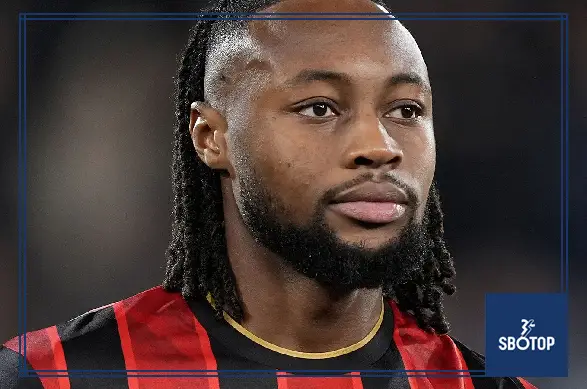
Mark Mogan, a Liverpool supporter accused of racially abusing Antoine Semenyo at Anfield, was found not guilty on 20 November 2026 after the Manchester City forward withdrew his support for the prosecution. Semenyo had been due to give evidence at Liverpool Magistrates’ Court. Prosecutor Simon Jones told the court that it would be inappropriate to compel him to testify and offered no further evidence. District Judge Mary Dowrick then recorded a not-guilty verdict on the charge of racially aggravated behaviour.
The allegation arose during Liverpool’s Premier League opener against Bournemouth on 15 August 2025, when Semenyo was still playing for the visiting club. He reported the incident to referee Anthony Taylor, who briefly stopped play. Mogan, 47, denied the charge. The trial opened in October 2026 and was adjourned before Semenyo testified. When the case returned to court in November, the prosecution’s announcement brought it to an end. The prosecutor did not disclose Semenyo’s reason for withdrawing support.
Why the Prosecution Ended in November
The November hearing had been set for Semenyo to give evidence. He had originally been due to testify in October, but the trial was interrupted after Mogan suffered a seizure and was taken to hospital. By the time the court reconvened, prosecutors had been in contact with Semenyo and learned that he no longer supported the proceedings. Jones conveyed that position to the court and explained the prosecution’s decision to offer no further evidence. Mogan declined to comment as he left.
In England and Wales, prosecutors decide whether a criminal case proceeds. The Crown Prosecution Service’s guidance on racist and religious hate crime sets out the options when someone withdraws support. Depending on the circumstances, prosecutors can consider relying on other evidence, applying for a witness summons or ending the case. A summons would require a witness to attend court. The guidance says prosecutors must consider the circumstances and the witness’s safety before seeking one. Jones told the court that compelling Semenyo was inappropriate in this case.
The public account of the final hearing establishes that Semenyo withdrew his support for the proceedings. Jones’s announcement gave no indication that the player had changed his account of what happened at Anfield. It also gave no detail about the conversation that led to the decision. The confirmed outcome is an acquittal on the charge Mogan faced, entered after the prosecution offered no further evidence.
What the Court Heard About the Throw-In
The prosecution’s opening account placed the alleged incident about half an hour into the match, as Semenyo went to take a throw-in near the Main Stand. Jones alleged that Mogan shouted a racist insult directly at the player and then shouted further abuse. The prosecutor said Semenyo was visibly affected and reported what had happened to Taylor when the ball next went out of play. The court heard that Mogan was removed from the stadium at half-time.
The court was shown two short video clips. Jones described Mogan as appearing agitated in the footage and said witnesses had reported seeing him throw chewing gum at Semenyo. A statement from a spectator who sat near Mogan described hearing him urge the player to hurry up. Mogan told police that he had urged Semenyo to hurry and alleged that the player had responded with a derogatory remark about his disability. Mogan denied the charge of racially aggravated behaviour. The competing accounts were aired before the adjournment, and the case ended in November without Semenyo giving his scheduled evidence.
How the Match Officials Responded
The Premier League recorded the stoppage in the 29th minute. Its anti-discrimination protocol gives referees a way to respond immediately when abuse is reported, working with stadium safety staff and police. The procedure can escalate if the behaviour continues, including by taking players off the pitch and suspending play. At Anfield, the pause was brief and the fixture resumed. The response on the night addressed a report made during a live match, while the criminal case that followed concerned the specific allegation against Mogan.
Liverpool went two goals ahead through Hugo Ekitiké and Cody Gakpo. Semenyo scored both Bournemouth goals in the second half, first converting David Brooks’s cross and then carrying the ball from inside his own half before finishing to make it 2–2. Liverpool ultimately won 4–2. Semenyo remained with Bournemouth for the rest of the calendar year and joined Manchester City in January 2026, which is why he was a City player by the time the case reached court.
What Semenyo Said After the Match
The day after the fixture, Semenyo publicly thanked Bournemouth teammates who supported him and acknowledged the response from Liverpool players and supporters. He focused on the people who stood with him. Both clubs and the Premier League expressed support for him and condemned racism and discrimination. Those statements were made in August 2025, after the match. The court’s account of the November 2026 hearing came from Jones, who relayed Semenyo’s position on continuing the prosecution.
The Premier League also said Semenyo received online abuse after the match and that its specialist team investigated. That abuse was separate from the allegation heard at Liverpool Magistrates’ Court. The league says it provides mental and emotional wellbeing support for players who experience discriminatory abuse and monitors supporter behaviour through its matchday observer programme. In this instance, the official on-field response began with a player speaking to the referee, while the league’s investigations team dealt with reports arising after the fixture.
The Position on Liverpool’s Disciplinary Process
Mogan had been suspended from attending matches at Anfield while the case was pending, and reporting after the verdict indicated that he would face Liverpool’s internal disciplinary process. That process was reported as involving a hearing before club officials. Potential outcomes ranged from a warning to a ban. No final club sanction was announced in the account of the November court hearing, so a permanent Anfield ban should be treated as a possibility rather than an outcome.
The distinction matters because several actions were taken at different points. Mogan’s removal from Anfield was a stadium response on the night. His suspension from attending matches was reported while the matter was pending. The not-guilty verdict resolved the criminal charge. Any decision that subsequently emerges from Liverpool’s disciplinary process would be a club decision about attendance at its ground. The possibility of a further club hearing leaves the acquittal intact.
Where the Public Record Ends
More than 15 months passed between the match and the final hearing. Over that period, Semenyo moved clubs, the prosecution presented its opening account, and the trial was adjourned when Mogan was taken to hospital. That chronology explains the gap between the stoppage at Anfield and the verdict. It offers no basis for assigning a motive to Semenyo’s decision. The only explanation prosecutors gave in open court was that he had indicated he no longer supported the proceedings and that they considered it inappropriate to compel him to testify.
The case ended with a clear legal result. Mogan denied the charge and was acquitted. Semenyo made a report during the match and later withdrew his support for the prosecution. The prosecution decided against compelling him and offered no further evidence. Those facts establish how the case began and how it came to a close. The remaining question concerns Liverpool’s separate disciplinary process and whether the club will announce a decision on Mogan’s future attendance at Anfield.
Also Read: