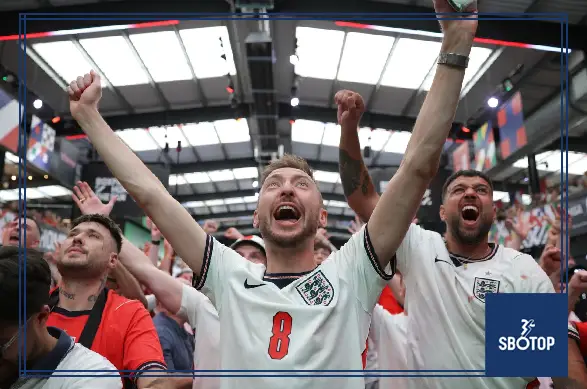
England’s World Cup last-16 clash with Mexico is not just another knockout fixture. For millions of supporters back home, it has become an overnight national event, a test of loyalty, stamina, workplace planning, school routines, and pub culture. With the match kicking off at 1am UK time on Monday, fans face the unusual prospect of watching one of England’s biggest games of the tournament deep into the early morning.
To match the scale of the occasion, the UK government confirmed that pubs and bars across England and Wales will be allowed to stay open until 5am on Monday morning, giving supporters the chance to gather together and watch the game in full without each venue needing to apply individually for extended hours. The official announcement said the change was designed to remove red tape for pubs and bars, support the hospitality sector, and allow fans to come together for England’s World Cup last-16 match against Mexico.
It is a decision that turns an inconvenient kick-off time into something closer to a national football festival. The alarms may be painful, the coffee may be essential, and Monday morning may feel longer than usual, but for many fans, the chance to watch England in a World Cup knockout match among fellow supporters is worth the sacrifice.
Why the 5am Extension Matters
The 5am extension is significant because this match sits outside the normal rhythm of football viewing in Britain. A 1am kick-off on a Monday is difficult for supporters, but it is even more complicated for pubs. Without a blanket change to licensing rules, many venues would have needed to apply for temporary event notices or special permission in advance. By the time England’s fixture was confirmed, many businesses would have had very little time to navigate that process.
The government’s move allows pubs and bars in England and Wales to remain open until 5am without submitting individual applications for extended hours. The announcement also said the Home Secretary has the power to extend licensing hours for occasions of “exceptional international, national or local significance,” a category the government has applied to England’s World Cup knockout run.
For supporters, the practical benefit is obvious. If the match goes to extra time or penalties, they can stay in the pub until the final kick. For pubs, the change creates a rare commercial opportunity at a time when hospitality businesses continue to face pressure from rising costs, staffing challenges, and shifting consumer habits.
For once, the law has moved at the speed of football emotion.
Pubs Become the Heart of the Overnight Party
English football culture has always been tied to the pub. Major tournament matches are not just watched; they are shared, argued over, celebrated, and suffered collectively. That is why the licensing extension has been welcomed by many in the hospitality industry. Reuters reported that the decision was praised by pub industry leaders, including the British Beer and Pub Association, which framed the move as a boost for both community spirit and business.
This match will not feel like a normal night out. It will be closer to a sporting vigil. Fans will arrive late on Sunday, settle in before midnight, and prepare for several hours of tension. Some venues may build special events around the occasion, offering food, bookings, themed promotions, and early-morning breakfasts. Others may simply open the doors, turn on the screens, and let the atmosphere carry the night.
The important thing is that supporters now have the option. Not everyone wants to watch alone at home in the dark while the rest of the country sleeps. For many fans, the whole point of the World Cup is togetherness. The 5am extension gives them a shared space for that togetherness.
Not Everyone Is Celebrating the Decision
The decision has not been universally welcomed. Police leaders have raised concerns about short notice, staffing pressures, and the possible strain caused by extended alcohol service into the early morning. Reuters reported that police urged responsible behaviour and warned of potential challenges linked to public safety and alcohol-related incidents.
Those concerns are understandable. A World Cup knockout match involving England can generate intense emotion even at a normal hour. Add a 1am start, hours of drinking, public transport complications, and the possibility of extra time or penalties, and the risk profile changes. Local authorities and police forces will need to balance national enthusiasm with public order.
That does not mean the decision is wrong. It means the night requires responsibility. Supporters can enjoy the match without turning celebration into disorder. Pubs can benefit commercially while still managing their venues carefully. Staff deserve respect, and local communities deserve consideration.
Football can bring people together, but only if the mood remains controlled. The best outcome is simple: a passionate night, a safe morning, and no headlines that distract from the game itself.
A Monday Morning Problem for Workplaces
The match also creates a wider social question: what happens after the final whistle? If England win, many supporters may not sleep at all. If the game goes to extra time and penalties, it could finish close to 4am UK time. That leaves very little recovery before the working day begins.
The Guardian reported that workers do not have an automatic right to take Monday off because of the match, and that absences or lateness could cause problems if leave has not been agreed in advance. The same report noted that employers may choose to offer flexibility, but employees should not assume they can simply skip work without permission.
This is where the football festival meets everyday reality. Some people will book annual leave. Others will work from home, start later, or rely on caffeine and optimism. Many will watch the match and still show up for work, tired but satisfied.
Businesses may also see the value in flexibility. A major England knockout match is a rare shared national moment. Employers who can offer adjusted hours may improve morale, avoid unnecessary conflict, and accept that productivity at 9am after a 1am World Cup kick-off was probably never going to be perfect anyway.
Schools and Families Face Their Own Choice
The timing also affects families. Children may want to stay up, especially if they have been following England through the tournament. Parents will have to decide whether the match is a once-in-a-generation memory or simply too late for a school night.
The issue has already entered public debate. AP reported that Education Secretary Bridget Phillipson acknowledged the unusual timing but still emphasized the need for children to attend school afterward. The same report also noted Thomas Tuchel’s suggestion that children should be allowed to enjoy the game with parental permission.
There is no perfect answer. For some families, the match will become a treasured memory: blankets on the sofa, snacks after midnight, and children watching England in a World Cup knockout tie at an hour they would normally never be awake. For others, school routine will come first, with highlights or replays waiting in the morning.
That is part of what makes this fixture unusual. It does not just affect football fans. It reaches into homes, classrooms, offices, transport networks, and local communities.
England’s Biggest Test of the Tournament So Far
Beyond the pub opening hours, there is a serious football match to play. England reached this stage after a nervy 2-1 comeback win over DR Congo, with Harry Kane once again proving decisive. Reuters reported that Kane’s two late goals rescued England and sent them into the last-16 meeting with Mexico, while also raising questions about whether the team is too dependent on its captain.
That is the football concern behind the national excitement. England have survived, but they have not always convinced. They have talent across the pitch, but their rhythm has been inconsistent. Tuchel’s team still look like a side searching for complete fluency under tournament pressure.
Mexico will not be forgiving. The co-hosts arrive with momentum, confidence, and home support. Reuters reported that Mexico ended a 40-year World Cup knockout drought by beating Ecuador 2-0 at the Azteca, with Julian Quinones and Raul Jimenez scoring in front of more than 80,000 fans.
That result has transformed the mood in Mexico. This is not simply a host nation enjoying the occasion. This is a team believing it can write history.
The Azteca Factor
The match will be played at the Estadio Azteca, one of football’s most iconic venues and one of the most intimidating stages in the sport. England’s players are not only facing Mexico; they are facing altitude, noise, pressure, and history.
Reuters reported that England trained at Pumas UNAM’s Cantera facility while trying to adapt to Mexico City’s altitude of around 2,200 metres. Tuchel acknowledged the physical challenge but said England would not use it as an excuse. Jordan Henderson also described the fixture as a huge occasion and stressed the importance of controlling the controllables.
That phrase is important. England cannot control the kick-off time. They cannot control the crowd. They cannot control the altitude. They cannot control the energy of a host nation chasing its biggest World Cup moment in decades. But they can control their structure, composure, decision-making, and emotional response.
For supporters in pubs back home, the Azteca atmosphere will travel through television screens. Every Mexican attack will feel louder. Every England mistake will feel more dangerous. Every Kane touch near the box will carry hope.
This is exactly the type of match that justifies the overnight gathering.
Mexico’s Moment of Belief
Mexico’s win over Ecuador was not only a sporting result; it was a national release. Reuters described the Azteca as a cauldron during that victory and noted that Mexico have played most of their matches in the capital, making them far more familiar with the conditions than England. The same report said the England match will be the last World Cup fixture at the iconic venue before the tournament moves fully to the United States.
That gives the match extra emotional weight. Mexico are not just trying to beat England. They are trying to honour the Azteca, reward their fans, and take another step toward the quarter-finals on home soil.
Javier Aguirre’s side will know that England are vulnerable if rushed, pressed, and forced into mistakes. They will also know that the crowd can become a weapon. A fast Mexican start could turn the match into exactly the chaotic night Tuchel wants to avoid.
England must quiet the stadium. Their fans at home must prepare for tension.
Harry Kane Carries the Hope Again
For England supporters staying up until dawn, Harry Kane will once again be the central figure. His goals against DR Congo kept England alive, and Reuters noted that his tournament form has become both a blessing and a concern: England are grateful for his reliability, but questions remain over whether the team’s hopes rest too heavily on him.
Kane’s importance is obvious. He scores, links play, leads the line, and absorbs pressure. In knockout football, that matters enormously. But England need more than Kane if they are to go deep. Bukayo Saka, Jude Bellingham, Phil Foden, Cole Palmer, Marcus Rashford, Anthony Gordon, and others must help turn possession into threat.
Mexico will plan carefully for Kane. Reuters reported that stopping the Bayern Munich striker is one of Mexico’s major tasks, especially after his two goals against DR Congo took his tournament tally to five and his World Cup total to 13.
If Kane scores again, the pubs will erupt. If he is isolated, England may struggle.
Also Read:
- SBOTOP: Ronaldo’s World Cup Dream Lives On as Portugal Edge Croatia in VAR Drama and End Modric’s Journey
- SBOTOP: Embolo and Ndoye End Switzerland’s 88-Year Wait With Historic World Cup Knockout Win Over Algeria
- SBOTOP: Oyarzabal Leads Ruthless Spain Past Austria as European Champions Cruise Into World Cup Last 16