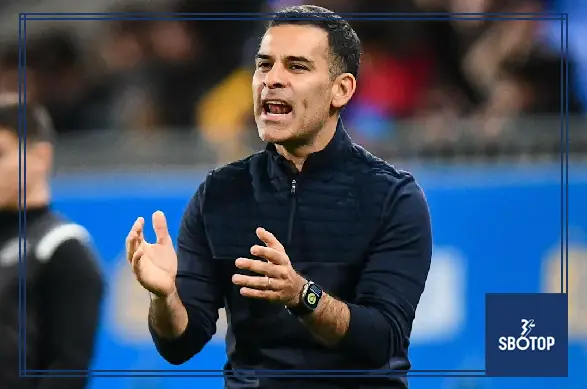
Mexico have moved quickly into a new era after their World Cup campaign ended in painful fashion against England. The Mexican Football Federation has appointed Rafael Márquez as the new head coach of the national team, replacing Javier Aguirre after El Tri’s 3-2 defeat in the Round of 16. For Mexican football, the change is not only a reaction to elimination. It is the beginning of a longer project built around one of the country’s most respected former players.
Márquez is no ordinary appointment. He is a former Barcelona defender, a former Mexico captain, and one of the most decorated players in the history of El Tri. His promotion had been expected as part of the federation’s long-term “Project 2030” plan, but the timing still gives the moment a dramatic feeling. Mexico had just seen their home World Cup dream end against England, and almost immediately the conversation shifted from Aguirre’s final match to Márquez’s first mission.
The defeat to England hurt because Mexico had offered hope. El Tri competed with energy, pushed one of Europe’s strongest teams, and gave supporters reasons to believe that the quarter-final barrier might finally be broken. But once again, the dream ended before the last eight. That familiar pain has now been handed to Márquez, who must transform disappointment into direction.
Aguirre Leaves with Pride and Frustration
Javier Aguirre’s exit closes another chapter in a career deeply connected to the Mexico national team. This was his third spell in charge of El Tri, and although it ended with elimination, his final campaign cannot be dismissed as a failure. Under Aguirre, Mexico achieved important milestones, including progress beyond the earlier knockout stage and strong performances during the tournament. Reuters reported that Aguirre’s latest spell produced 22 wins, nine draws, and six defeats across 37 matches, while also including CONCACAF Nations League and Gold Cup success before the World Cup.
Still, Mexican football rarely judges itself only by respectable progress. The national conversation is shaped by expectation, history, and the repeated frustration of falling short on the global stage. Aguirre brought experience, discipline, and stability, but the England defeat reopened the same old debate: when will Mexico finally make the leap from competitive team to genuine World Cup contender?
Aguirre’s departure feels emotional because he represented a familiar and trusted figure. He knew the pressure of the job, the weight of the shirt, and the impatience of supporters. But football moves quickly. Once England ended Mexico’s campaign, the federation had to look forward. Márquez was already positioned as the successor, and now the future has arrived.
Why Márquez Is a Symbolic Choice
Rafael Márquez carries a symbolism few Mexican coaches could match. As a player, he represented authority, elegance, toughness, and intelligence. He was not simply a defender who cleared danger. He was a leader who organized, passed, controlled tempo from deep areas, and gave Mexico a sense of international credibility.
His Barcelona background adds another layer to his reputation. Playing for one of the world’s biggest clubs exposed him to elite standards, pressure, tactical sophistication, and the demands of winning. He experienced dressing rooms filled with world-class players and learned in environments where every detail mattered. That kind of background naturally appeals to a federation trying to modernize its national-team project.
Mexico are not merely appointing a former star for sentimental reasons. They are appointing someone who understands both Mexican football culture and elite European football. That combination is rare. Márquez knows what the shirt means emotionally, but he also knows what the highest level requires tactically and professionally.
From Assistant to Leader
One reason the transition feels smooth is that Márquez was already part of Aguirre’s staff. He served as assistant coach during the previous cycle, meaning he has worked with the players, understood the internal environment, and observed the team’s strengths and weaknesses from close range. Reuters noted that Márquez had been serving under Aguirre before officially taking over as head coach.
That continuity matters. International football does not offer the same daily training rhythm as club football. A new coach often has limited time to introduce ideas, build relationships, and create tactical habits. By promoting someone already inside the structure, Mexico reduce the risk of a complete reset.
Márquez will not arrive as a stranger. He already knows the personalities in the squad. He has seen how the group reacts to pressure. He understands which players respond to instruction, which areas need reinforcement, and which habits must change. His challenge is to move from supporting voice to commanding voice.
That shift is not always simple. Being an assistant allows a coach to influence without carrying ultimate responsibility. Being the head coach means every selection, tactical decision, and result is judged publicly. Márquez must now prove that his authority as a legendary player can translate into authority as a manager.
Project 2030 Begins Now
The phrase “Project 2030” matters because it suggests Mexico are thinking beyond short-term repair. The next World Cup cycle will be about building toward a larger vision. The federation wants a plan that develops players, strengthens the national identity, and gives Mexico a clearer pathway to compete at a higher level by 2030. Reports have described Márquez’s appointment as part of that planned succession model.
This is important because Mexico have often been trapped between urgency and patience. Every major tournament brings pressure for immediate results, but sustainable progress requires long-term decisions. Márquez will need time to shape his team, but the public will still demand evidence of improvement quickly.
Project 2030 cannot be only a slogan. It must be visible in squad selection, youth integration, tactical identity, coaching development, and performance standards. Mexico cannot simply wait four years and hope things improve. The work must start now, with every camp, friendly, qualifier, and regional tournament treated as part of a larger mission.
Márquez’s appointment gives the project a recognizable face. But the project will only succeed if the federation supports him with structure, not just publicity.
The England Defeat as a Starting Point
The 3-2 defeat to England was painful, but it also provides a clear starting point for Márquez. Mexico were close enough to believe, but not sharp enough to advance. That is often the most difficult type of loss to process. Heavy defeats can reveal obvious gaps. Narrow defeats create endless questions.
What if one chance had been finished? What if one defensive moment had been handled better? What if Mexico had controlled the match for just a few more minutes? These questions will remain with supporters, but for Márquez they must become analysis rather than emotion.
England’s victory exposed the fine margins that decide knockout matches. Mexico showed courage, but courage alone was not enough. The next step requires composure, efficiency, and better control of decisive moments. Márquez built his playing career on those qualities. Now he must teach them.
The most successful coaches use painful defeats as case studies. They do not hide from them. They break them down, identify patterns, and turn disappointment into lessons. For Mexico, the England match should become the first file in the Márquez era.
What Must Change for Mexico?
Mexico have talent, history, passion, and one of the most loyal fan bases in world football. But the national team has often struggled to turn those ingredients into deep World Cup runs. Márquez’s biggest challenge is not simply picking a new lineup. It is changing the ceiling of expectation.
First, Mexico need greater tactical flexibility. At international level, teams must be able to adapt to different opponents and match states. A plan that works against one style may fail against another. Márquez must build a team comfortable pressing, defending deeper, controlling possession, and attacking space when needed.
Second, Mexico need more ruthless attacking efficiency. In World Cup knockout matches, chances are rare. Teams that waste them usually go home. Márquez must develop patterns that create higher-quality opportunities and ensure his forwards play with conviction.
Third, Mexico need better emotional control. Passion is one of El Tri’s strengths, but big matches demand balance. Players must know when to accelerate, when to slow the game, when to take risks, and when to protect structure.
These are not easy fixes, but Márquez understands them from experience at the highest level.
The Barcelona Influence
Márquez’s Barcelona past will naturally shape public expectations. Supporters may imagine a Mexico side built on possession, composure, and technical control. That may be part of his vision, but he must avoid copying a style that does not fit his players. The best coaches adapt principles to reality.
From Barcelona, Márquez can bring an appreciation for positional discipline, ball circulation, and intelligent build-up. He can encourage defenders to be more comfortable in possession and midfielders to receive under pressure. He can push Mexico toward a more refined style.
But Mexican football also has its own identity: intensity, emotion, quick combinations, wide play, and aggressive duels. Márquez’s task is to blend European tactical education with Mexican football’s natural rhythm. If he leans too far into theory, the team may lose energy. If he relies only on passion, the team may not evolve.
The balance will define his reign.
A Coach with Immediate Credibility
One advantage Márquez has is immediate credibility with players. Young Mexican footballers grew up knowing his name. Veterans understand what he achieved. His presence carries weight. When he speaks about World Cup pressure, players cannot dismiss him. He has lived it.
That does not guarantee success, but it helps. International squads need belief in the coach’s message. If players sense uncertainty or lack of authority, the project can weaken quickly. Márquez begins with respect already earned through his playing career.
However, credibility must be refreshed through coaching. Players may admire a legend, but they follow a coach because his ideas work. Márquez must prove he can improve individuals, prepare matches, manage substitutions, and handle pressure from media and supporters.
His name opens the door. His decisions will determine whether the squad truly follows him.
Pressure Will Arrive Quickly
There will be no honeymoon period for long. Mexico’s supporters are passionate, proud, and demanding. They will celebrate the appointment, but they will also judge performances quickly. Every squad list will be debated. Every tactical choice will be examined. Every poor result will trigger questions.
That is the nature of the Mexico job. It is one of the most emotional positions in international football. The coach must deal not only with opponents, but with constant national expectation.
Márquez must show strength early. He cannot appear overwhelmed by criticism. He must communicate clearly, build trust, and convince fans that the project has direction. Results matter, but so does the feeling that the team is moving toward something coherent.
If Mexico look organized, brave, and modern, supporters may offer patience. If performances feel confused, patience will disappear.
Also Read: