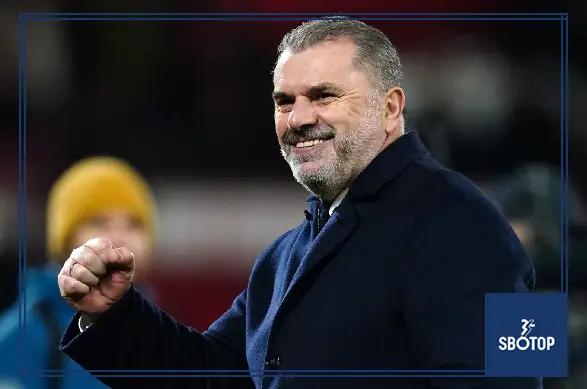
Cristiano Ronaldo’s Saudi Arabian journey has entered another fascinating phase. Al Nassr have appointed Ange Postecoglou as their new head coach on a two-year deal, placing one of football’s most famous players under the guidance of one of the game’s most distinctive modern managers. The Saudi Pro League champions confirmed the Australian’s arrival as the club begins a fresh cycle after winning the domestic title last season.
The move immediately creates intrigue. Ronaldo remains the face of Al Nassr, the player whose arrival transformed the club into a global brand and helped accelerate the Saudi Pro League’s international profile. Postecoglou, meanwhile, arrives with a reputation built on bold attacking football, emotional leadership, and a refusal to compromise on style. Their partnership could be explosive, fascinating, risky, and potentially very successful.
This is not a low-pressure appointment. Al Nassr are no longer chasing relevance; they are chasing sustained dominance. After finally securing the Saudi Pro League title with Ronaldo in the squad, the club now need to prove they can build something more stable than a one-season triumph. Postecoglou’s job is not simply to manage Ronaldo. It is to manage a squad of stars, defend a title, compete in Asia, and give Al Nassr a football identity strong enough to match their ambition.
Postecoglou Returns With Something to Prove
Postecoglou’s move to Al Nassr is also a personal reset. The 60-year-old coach arrives after a turbulent spell in English football. He won the Europa League with Tottenham in 2025, but his Premier League campaign ended badly, with Spurs finishing 17th before his dismissal. His short spell at Nottingham Forest then lasted only 39 days and ended after an eight-game winless run.
That recent history makes the Al Nassr job more than a lucrative return to management. It is a chance to rebuild a reputation that had become complicated. Postecoglou has never been a coach who defines himself by caution. His best teams press high, attack with numbers, push full-backs into advanced spaces, and try to overwhelm opponents through rhythm and belief. That approach brought success in Australia, Japan, Scotland, and at moments in England.
But Saudi Arabia will test him differently. Al Nassr are expected to win. The squad contains huge names, strong personalities, and a fanbase that has become accustomed to ambition. Postecoglou will not be judged only on whether his football is attractive. He will be judged on trophies.
That is where the pressure begins. He is not inheriting a rebuild from the bottom. He is inheriting champions.
Ronaldo Remains the Centre of the Project
Ronaldo is not just another senior player in this squad. He is the captain, the symbol, and still the central sporting figure around whom every Al Nassr story is written. His contract extension, signed in 2025, keeps him at the club until 2027, meaning Postecoglou is expected to work with him across the next phase of the project.
That changes the nature of the job. Any Al Nassr coach must understand Ronaldo’s influence on and off the pitch. His standards remain extraordinary, his hunger remains visible, and his presence still affects how opponents prepare. Even as he moves deeper into his forties, Ronaldo continues to be treated as a decisive figure, not a ceremonial icon.
The challenge for Postecoglou is to get the best from Ronaldo while also building a team that does not rely on him alone. That balance is delicate. Ronaldo still wants service, goals, responsibility, and big moments. Postecoglou’s system demands collective movement, pressing, width, and constant attacking rotations. The relationship will work best if the manager can make Ronaldo the finishing point of a dynamic team rather than the only solution.
That is the tactical question at the heart of this appointment: can Postecoglou’s aggressive football and Ronaldo’s late-career profile fit together?
A Clash or a Perfect Match
At first glance, there are reasons to wonder whether this partnership could be awkward. Postecoglou’s football is physically demanding. His teams usually defend by attacking, pressing high and leaving space behind. His forwards are expected to contribute to the first wave of pressure, while the whole team compresses the pitch and tries to win the ball quickly.
Ronaldo, at this stage of his career, is not the relentless pressing forward he once was. He is most dangerous inside the box, between centre-backs, attacking crosses, penalties, rebounds, and half-chances. Asking him to lead a high-intensity press every week may not be realistic.
But that does not mean the partnership cannot work. In fact, Postecoglou’s football could help Ronaldo if the structure is adjusted intelligently. A team that attacks with width and speed can create more penalty-box touches for him. Advanced full-backs and aggressive wingers can provide the type of service he thrives on. Quick circulation can prevent opponents from sitting comfortably around him.
The key is adaptation. Postecoglou should not abandon his principles, but he may need to shape them around Ronaldo’s strengths. If he does, Al Nassr could become a team that plays with greater tempo while still giving its greatest finisher the chances he needs.
Al Nassr Are Buying Identity Not Just a Coach
The appointment also says something about Al Nassr’s direction. Hiring Postecoglou is not the same as hiring a conservative title-protection specialist. It is a statement that the club want a recognizable style. They want energy, emotion, and attacking football. They want a team that looks different under a new manager.
That matters because star-heavy clubs can easily become collections of individuals. Al Nassr have Ronaldo, Sadio Mané, João Félix, Marcelo Brozović, Kingsley Coman, and other high-profile names reported around the squad in recent coverage of the appointment.
Managing that level of talent is not only about tactics. It is about hierarchy, clarity, and buy-in. Every star needs to understand the plan. Every role needs to make sense. If the team becomes too individualistic, even elite players can look disconnected. If Postecoglou succeeds, Al Nassr could become more than a club with famous names. They could become a team with a strong attacking identity.
That is what makes this appointment exciting. It is not simply Ronaldo getting a new boss. It is Al Nassr trying to move into a more ambitious tactical phase.
The Saudi Pro League Challenge
Postecoglou is arriving at a league that has changed dramatically in recent years. The Saudi Pro League is no longer viewed only as a destination for ageing stars. It now contains major international players, high-profile coaches, and clubs with serious financial power. Al Nassr’s title win last season was important, but defending that crown will not be simple.
Al Hilal, Al Ittihad, Al Ahli, and other rivals will not stand still. The league is competitive at the top, and every major match carries global attention because of the names involved. Postecoglou will be expected to handle not only domestic pressure but also the wider spotlight that follows Ronaldo and Al Nassr everywhere.
There is also the AFC dimension. A club of Al Nassr’s resources cannot be satisfied with local success alone. Continental trophies matter. The ability to manage travel, squad rotation, heat, pressure, and different tactical styles will be crucial. Postecoglou has coached internationally before, including with Australia, and he has experience across several football cultures. That background should help him.
Still, the expectations in Riyadh will be immediate. There will be no long honeymoon.
Ronaldo’s Title Breakthrough Changes the Mood
One reason this appointment feels different is that Al Nassr are not coming off failure. Ronaldo finally captured the Saudi Pro League title with the club in the 2025-26 season, ending a long wait for both player and team. The official Saudi Pro League report said Al Nassr secured the title for the first time since 2018-19, with Ronaldo finally winning the domestic crown after joining the club in 2022.
That success changes the emotional base of the project. For years, the question was whether Ronaldo’s move would deliver the league trophy. Now it has. The next question is whether Al Nassr can turn that breakthrough into a period of dominance.
Postecoglou walks into a dressing room that knows it can win. That is useful. But he also walks into a club where the bar has been raised. A title defence is often harder than a title chase. Opponents become more motivated, internal standards must rise, and any drop in form is judged harshly.
Ronaldo will understand that better than anyone. His career has been built on turning one trophy into the demand for another. Postecoglou must now create the environment to match that mentality.
What Postecoglou Can Offer Ronaldo
For Ronaldo, the arrival of Postecoglou could be refreshing. The Australian’s teams usually attack with conviction, and Ronaldo has always performed best in sides that create volume and momentum around the box. If Al Nassr can stretch opponents more consistently, Ronaldo could benefit from better crossing angles, more cutbacks, and more second-ball situations.
Postecoglou’s approach could also reduce the burden on Ronaldo to manufacture moments from nothing. A more structured attacking system should give João Félix, Mané, Coman, and the midfield more responsibility in chance creation. That would allow Ronaldo to focus on what he still does best: finishing.
The danger is that the system becomes too open. Postecoglou’s Tottenham side often attracted praise for entertainment but criticism for vulnerability. In Saudi Arabia, where elite attackers can punish space quickly, Al Nassr must avoid becoming spectacular but unstable. Ronaldo does not need chaos. He needs service, control, and pressure around opponents’ penalty areas.
If Postecoglou finds the balance, Ronaldo could enjoy one of the most productive late-career tactical environments available to him.
What Ronaldo Can Offer Postecoglou
The relationship works both ways. Postecoglou can help Ronaldo, but Ronaldo can also help Postecoglou. After difficult exits from Tottenham and Nottingham Forest, the Australian needs early credibility in Riyadh. Having Ronaldo as a committed leader could make that process much easier.
If Ronaldo buys into the project, the dressing room is more likely to follow. His standards can reinforce Postecoglou’s demands. His training intensity, professionalism, and hunger for trophies can help the manager establish authority quickly. In a star-studded squad, that kind of senior endorsement is valuable.
There is also the psychological factor. Postecoglou has always built his teams around belief. Ronaldo is one of the greatest examples of football belief in modern history. Both men are strong personalities, both are demanding, and both carry a deep conviction in their own methods.
That could create tension, but it could also create powerful alignment. If they respect each other, Al Nassr could gain a manager-player partnership with real force.
A Squad Built for Attacking Football
Al Nassr’s squad appears well suited to a more expansive approach. Ronaldo provides the finishing presence. Mané brings direct running and experience. João Félix offers creativity between the lines. Coman can stretch the pitch and attack defenders one-on-one. Brozović can help control midfield rhythm.
That mix gives Postecoglou options. He can play with wide wingers, attacking full-backs, and a creative No. 10. He can use Ronaldo as a central reference point, with runners moving around him. He can press through the energy of younger forwards while allowing Ronaldo to conserve energy for decisive attacking moments.
The biggest tactical question may be midfield balance. Postecoglou’s teams need brave passers, but they also need protection when possession is lost. If the full-backs push high, the midfield must cover intelligently. If the centre-backs hold a high line, pressure on the ball must be strong. Without that coordination, the system can become exposed.
This is where coaching matters. The names are impressive, but the distances between them will define the team.
Also Read:
- SBOTOP: Tuchel’s Big-Game Decisions Give England Fresh Hope as In-Game Management Shows Real Promise
- SBOTOP: England Fans Set for Early-Morning World Cup Party as Pubs Stay Open Until 5am for Mexico Clash
- SBOTOP: Ronaldo’s World Cup Dream Lives On as Portugal Edge Croatia in VAR Drama and End Modric’s Journey